

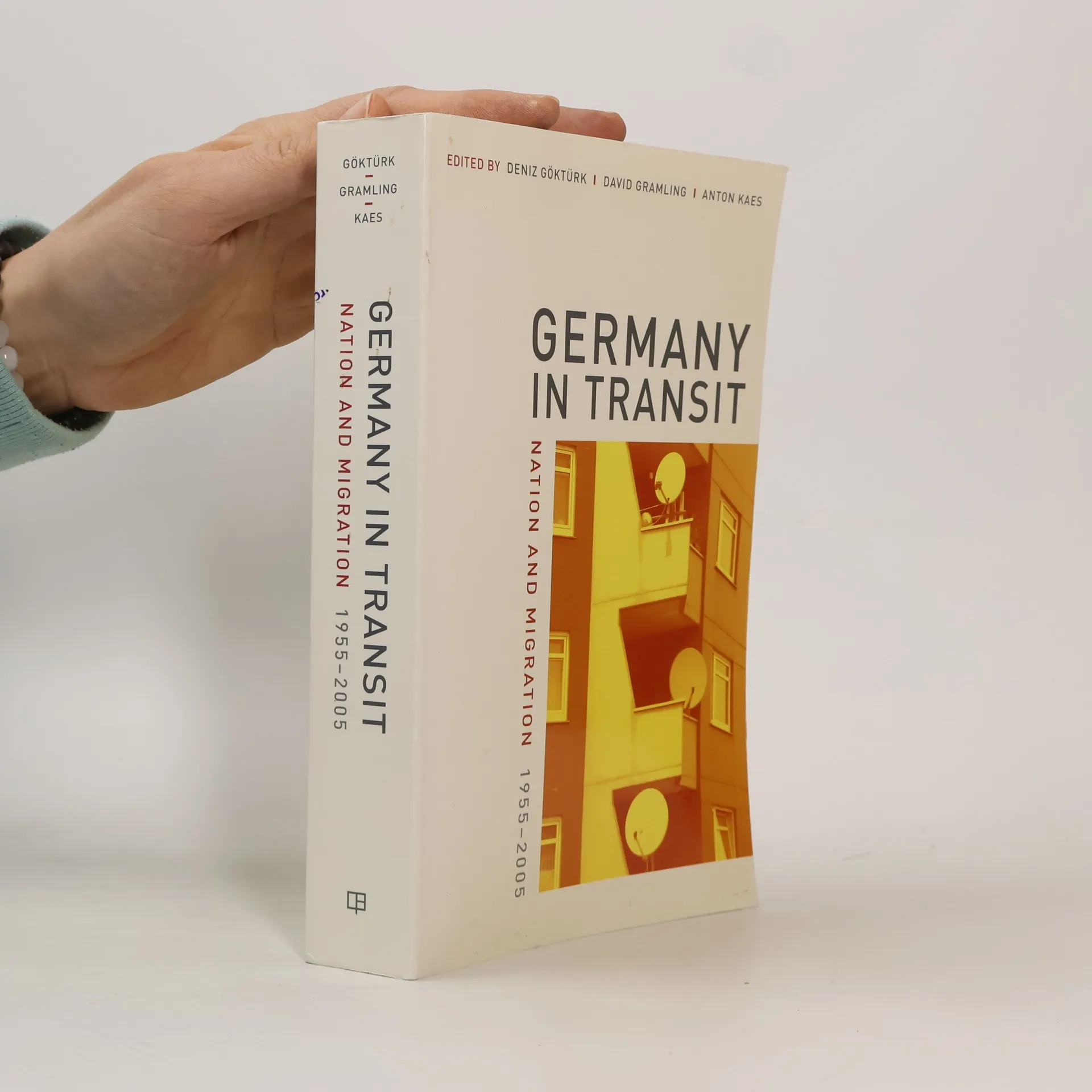
How does migration change a nation? Germany in Transit is the first sourcebook to illuminate the country's transition into a multiethnic society―from the arrival of the first guest workers in the mid-1950s to the most recent reforms in immigration and citizenship law. The book charts the highly contentious debates about migrant labor, human rights, multiculturalism, and globalization that have unfolded in Germany over the past fifty years―debates that resonate far beyond national borders.This cultural history in documents offers a rich archive for the comparative study of modern Germany against the backdrop of European integration, transnational migration, and the fall of the Berlin Wall.Divided into eleven thematic chapters, Germany in Transit includes 200 original texts in English translation, as well as a historical introduction, chronology, glossary, bibliography, and filmography.
Anton Kaes Ordre des livres (chronologique)
Anton Kaes est professeur d'études allemandes et de cinéma et médias à l'Université de Californie, Berkeley. Son travail se concentre sur le cinéma et les médias, en particulier sur le cinéma allemand et sa relation avec l'histoire et la société. Kaes examine comment l'art cinématographique reflète et façonne les atmosphères sociales et politiques. Il offre des analyses perspicaces du langage visuel du cinéma dans son interaction avec des moments historiques importants.

M
- 112pages
- 4 heures de lecture
This edition of Anton Kaes' study delves into Fritz Lang's groundbreaking 1931 film M, exploring its themes, historical context, and cinematic techniques. It offers a critical analysis of the film's portrayal of morality and society, making it a significant contribution to film studies. The book situates M within the broader landscape of German cinema and examines its lasting impact on the thriller genre.
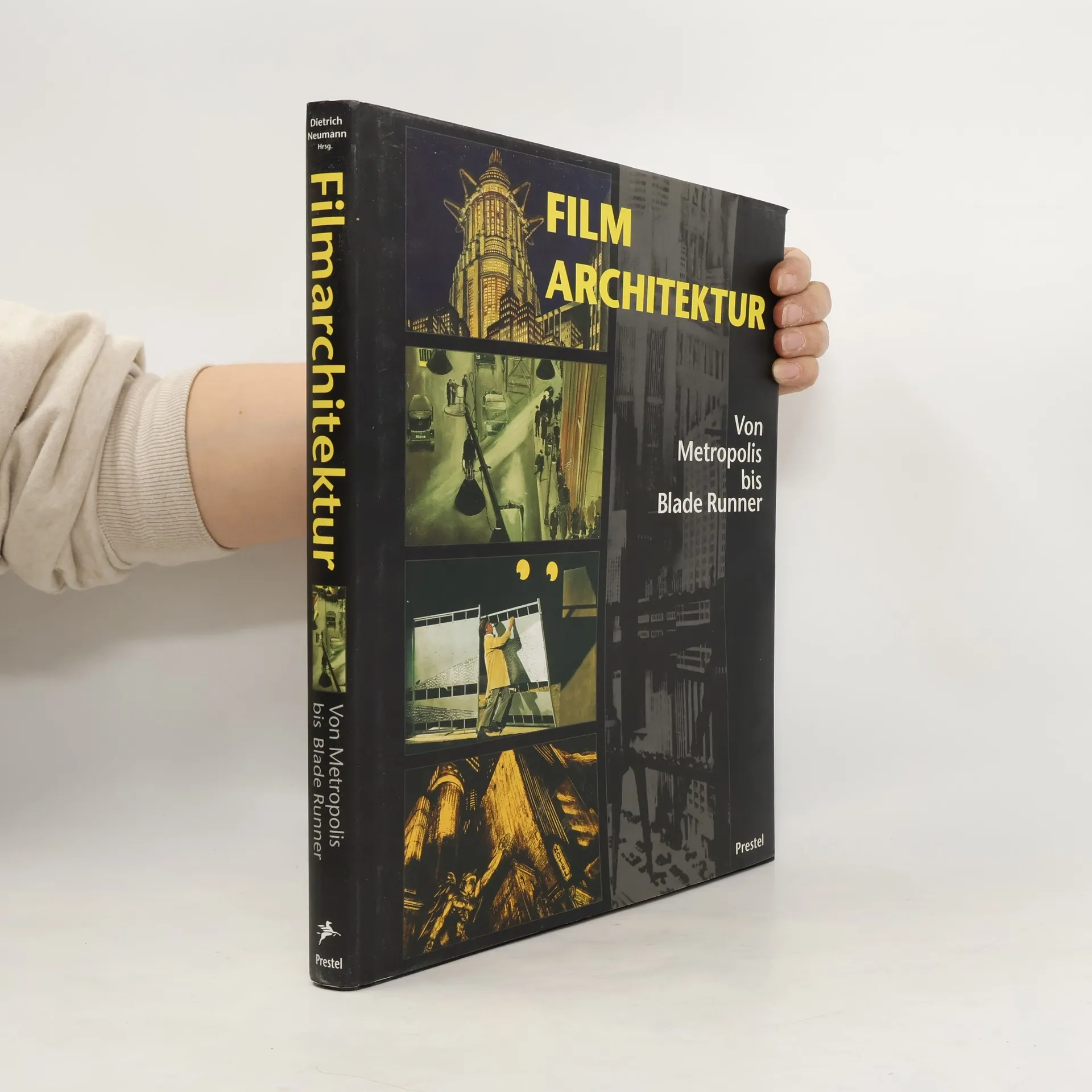
Filmarchitektur. Von Metropolis bis Blade Runner.
- 207pages
- 8 heures de lecture
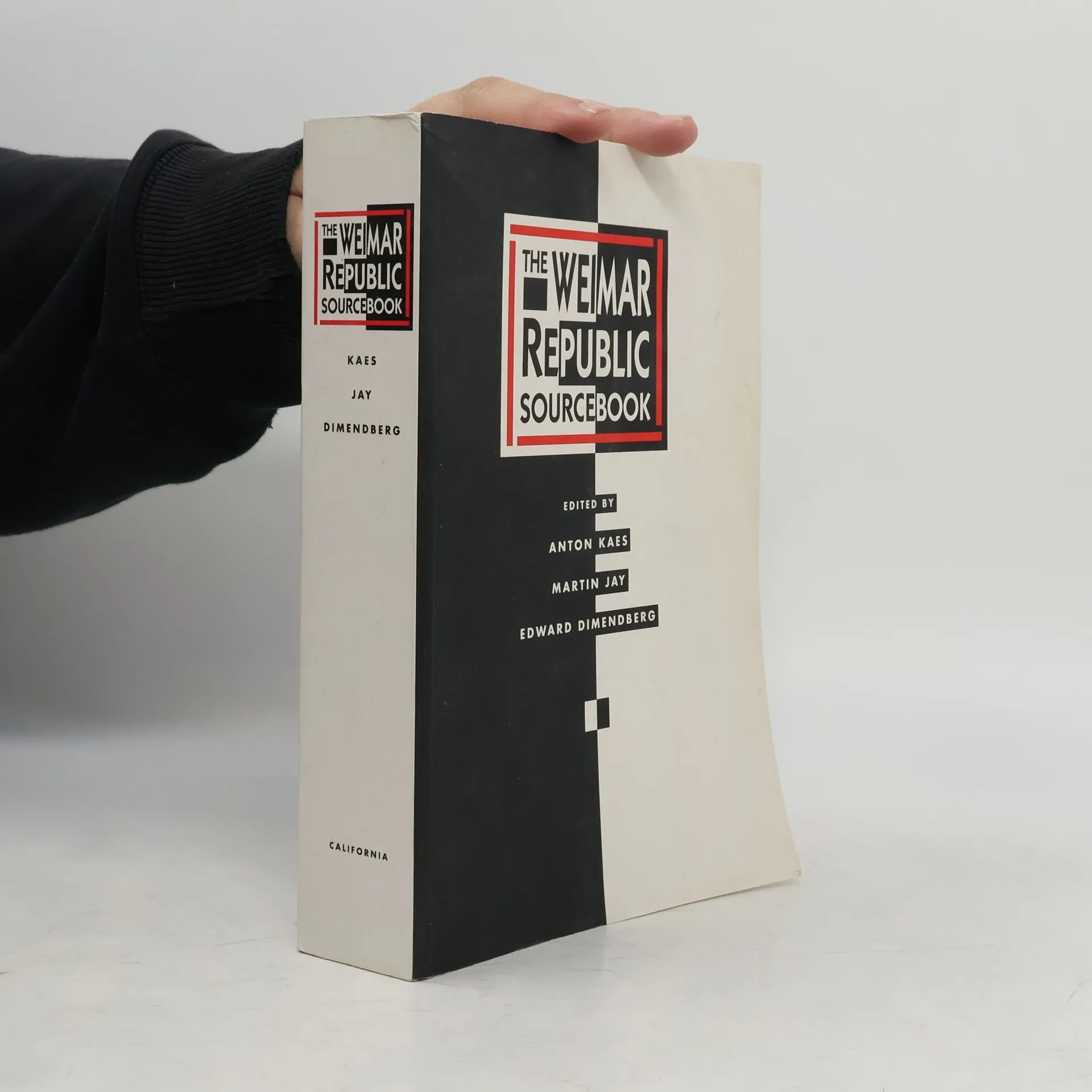
The Weimar Republic Sourcebook
- 830pages
- 30 heures de lecture
The Weimar Republic (1918-1933) serves as a laboratory for competing visions of modernity, leaving a lasting impact on the twentieth century. Its political and cultural lessons are highly relevant for understanding contemporary tensions and possibilities. This sourcebook offers a comprehensive documentation of Weimar culture, history, and politics, inviting readers to explore the richness of Germany's turbulent years before Hitler's rise. Utilizing primary sources such as magazines, newspapers, manifestoes, and official documents—many previously unknown or unavailable in English—the book challenges traditional boundaries between politics, culture, and social life. Its thirty chapters delve into Germany's complex relationship with democracy, the ideologies of "reactionary modernism," the emergence of the "New Woman," Bauhaus architecture, mass media's influence, literary life, cabaret traditions, and the experiences of Jews, intellectuals, and workers during the rise of fascism. While highlighting the Republic's artistic and intellectual achievements, including the Frankfurt School and political theater, the book also features lesser-known materials on popular culture, consumerism, body culture, drugs, criminality, and sexuality. Additionally, it includes a timeline of major political events, an extensive bibliography, and capsule biographies, making it an invaluable resource for students and scholars across various fields.
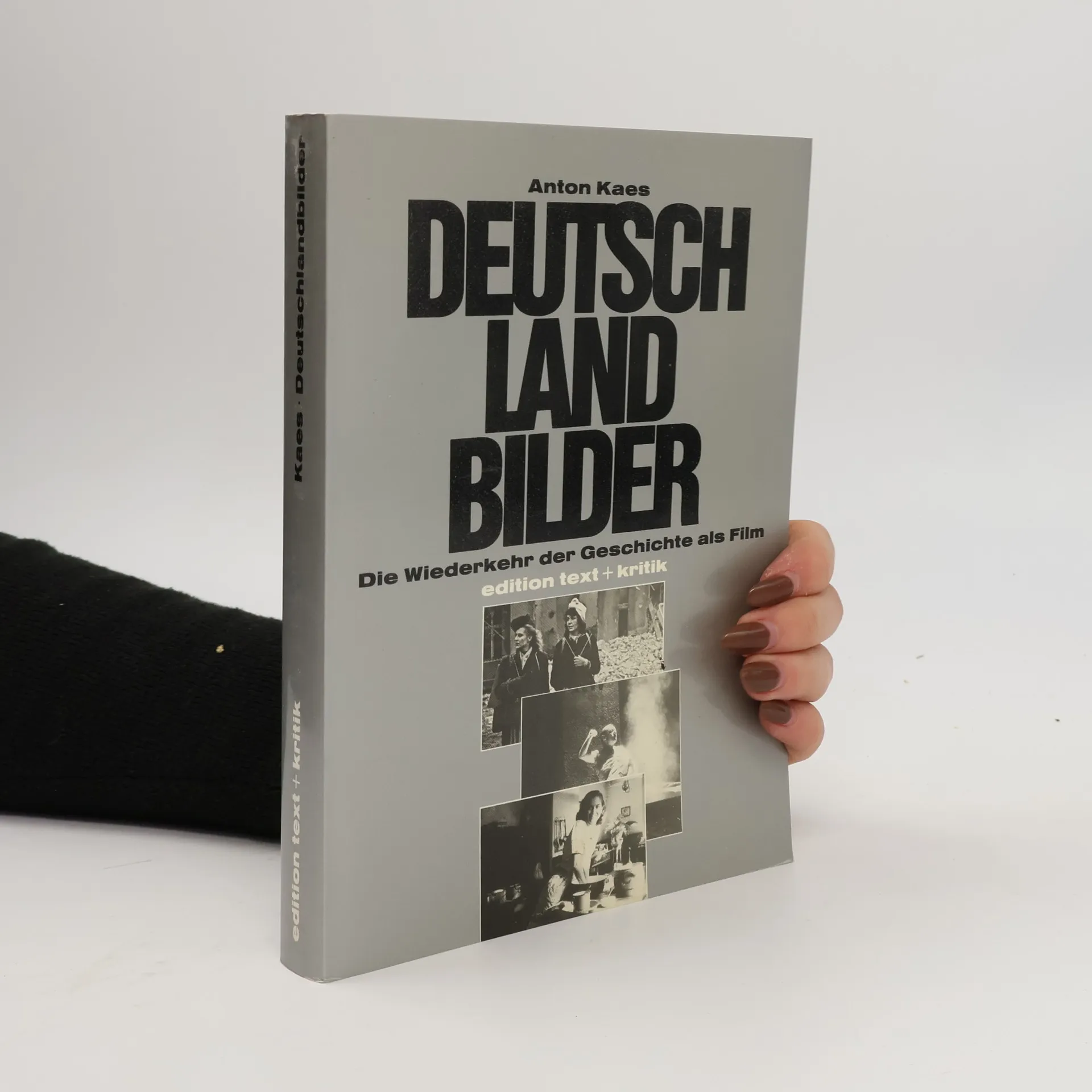
Inhaltsverzeichnis- Vorwort I Die Geschichte, die Bilder. Vom Umgang mit der Vergangenheit im Film - Das Mißtrauen gegenüber den eigenen Bildern - Die Flucht vor der Erinnerung - Die Wiederkehr des Verdrängten II Auf der Suche nach Deutschland. Spurensicherung und Phantasie in Alexander Kluges „Die Patriotin“ - Deutsche Geschichte als Erzählfläche - Die Arbeit am Material - Die „Erweiterung der Wahrnehmungsfront“ - Der neue Patriotismus III Leiden an Deutschland. „Geschichtsergänzung“ und Systemkritik in Rainer Werner Fassbinders „Die Ehe der Maria Braun“ - Die Politik des Privaten - Historisches Erzählen - Geschichte und Trauma - Das Ende der Utopie IV Der Blick auf die Kindheit. Autobiographie und Allegorie in Helma Sander-Brahms' - „Deutschland, bleiche Mutter“ - Die Befragung der Eltern - Vater-Land, Mutter-Sprache - Die feministische Perspektive V Mythos Deutschland, revisited. Historie und Post-histoire in Hans Jürgen Syberbergs „Hitler, ein Film aus Deutschland“ - Die stillgestellte Geschichte - Dramaturgie der Annäherung - Der gebrochene Mythos - Irrationalismus und Trauer VI Die Sehnsucht nach Identiät. Alltagsgeschichte und Erinnerungsarbeit in Edgar Reitz' „Heimat“ - Bilder aus der Provinz - Der erzählte Alltag - Das Gedächtnis der Geschichte - Geschichte - made in Germany VII Schlußbemerkung. Dier Medien und das öffentliche Gedächtnis Anhang - Anmerkungen - Bibliographie