

Paramètres
En savoir plus sur le livre
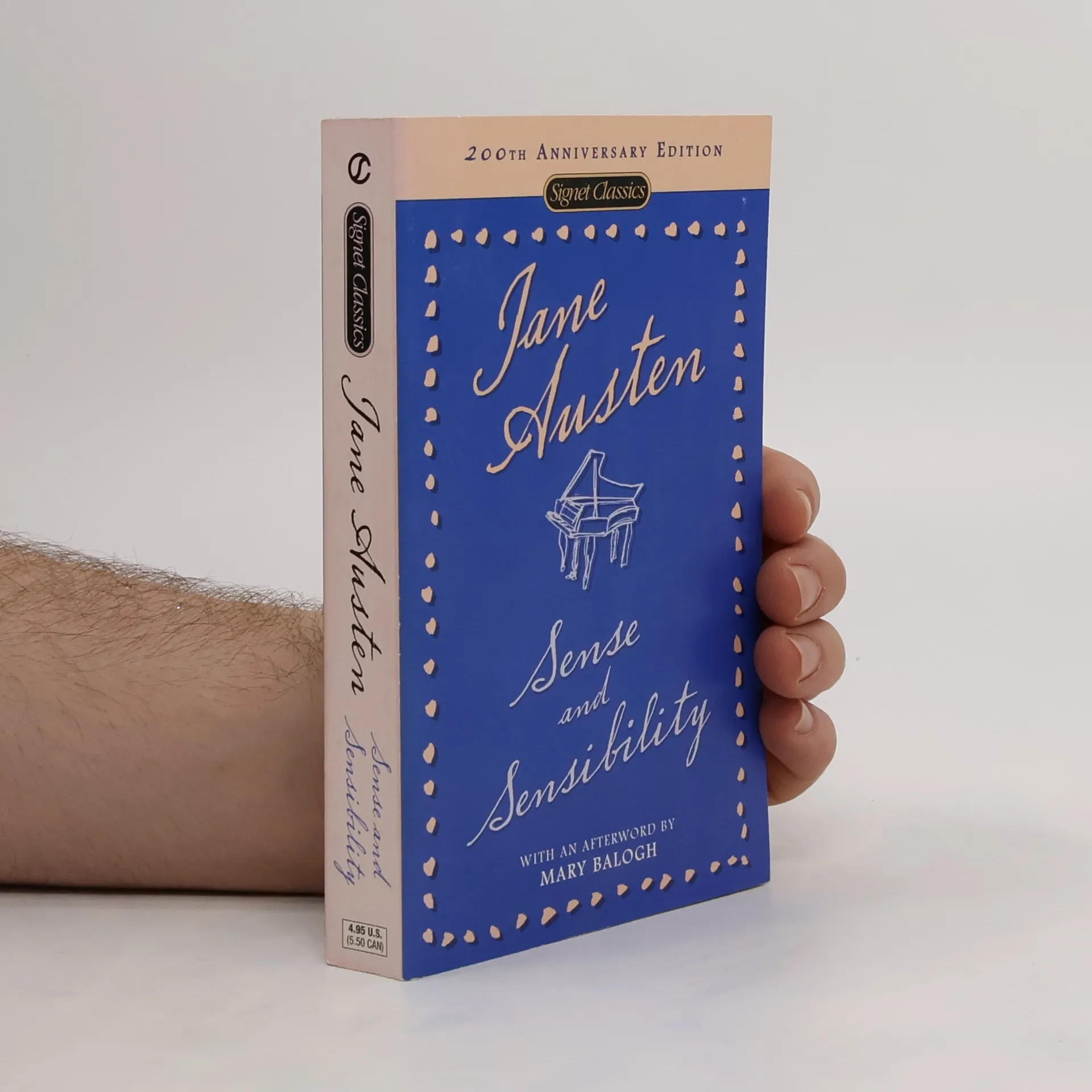
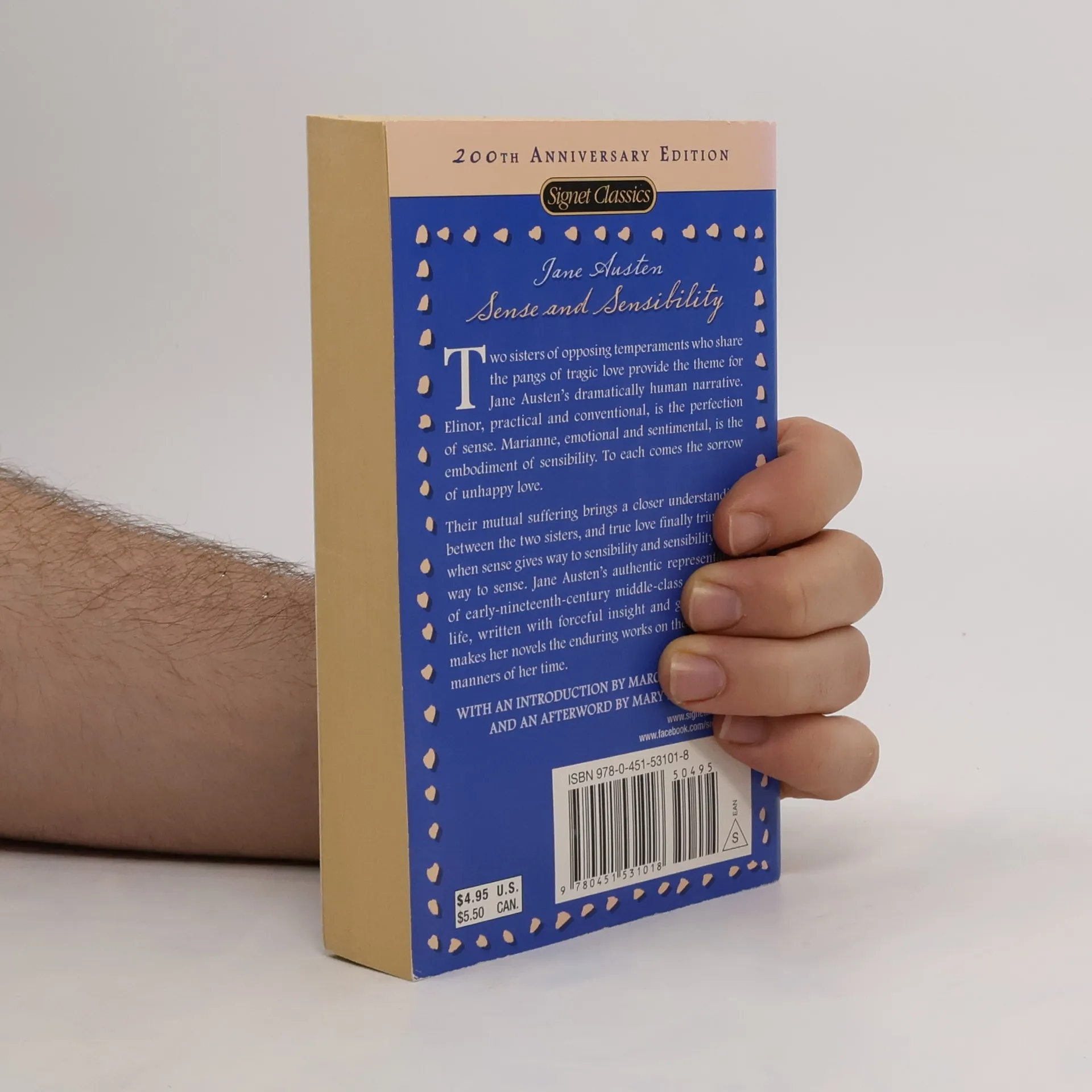
Two sisters of opposing temperaments who share the pangs of new love provide the theme for Jane Austen’s dramatically human narrative. “I wish as well as everybody else to be perfectly happy but like everybody else it must be in my own way.” Elinor, practical and conventional, is the perfection of sense. Marianne, emotional and sentimental, is the embodiment of sensibility. To each comes the sorrow of unhappy love. Their mutual suffering brings a closer understanding between the two sisters—and true love finally triumphs when sense gives way to sensibility and sensibility gives way to sense. Jane Austen’s authentic representation of early-nineteenth-century middle-class provincial life, written with forceful insight and gentle irony, makes her novels the enduring works on the mores and manners of her time. With an Introduction by Margaret Drabble and an Afterword by Mary Balogh


Édition

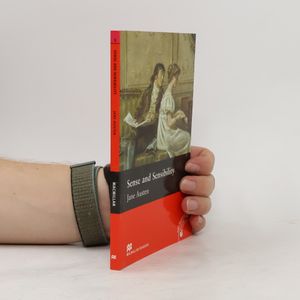
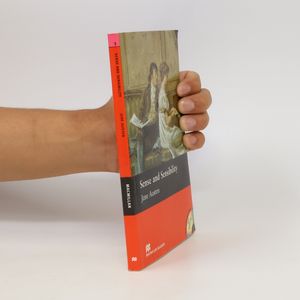
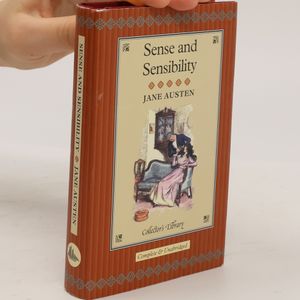
- 2025

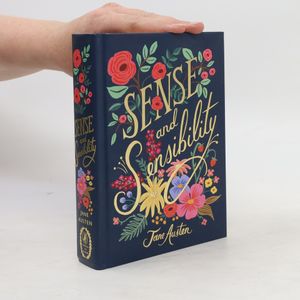
- 2024
- 2024
- 2024
- 2024
- 2024
- 2024
- 2024
- 2023
- 2023
- 2023
- 2023
- 2023
- 2023
- 2023
- 2023
- 2023
- 2023
- 2023
- 2023
- 2022
- 2022
- 2022
- 2022
- 2022
- 2022
- 2022
- 2021
- 2021
- 2021
- 2021
- 2021
- 2021
- 2021
- 2021
- 2021
- 2021
- 2020
- 2020
- 2020
- 2020
- 2020
- 2020
- 2020
- 2020
- 2020
- 2020
- 2020
- 2020
- 2020
- 2020
- 2020
- 2020
- 2020
- 2020

- 2019

- 2019
- 2019
- 2019
- 2019
- 2019
- 2019
- 2019
- 2019
- 2018
- 2018
- 2018
- 2018
- 2018
- 2018
- 2018

- 2017
- 2017

- 2016
- 2016
- 2016
- 2016
- 2016
- 2016
- 2015
- 2015
- 2015
- 2014
- 2014
- 2013
- 2013
- 2013

- 2013
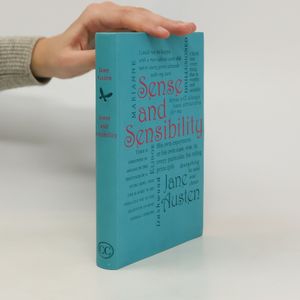
- 2012
- 2012

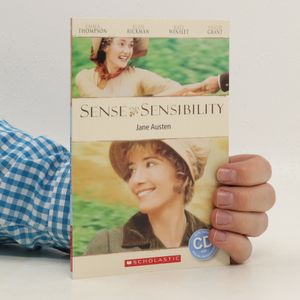
- 2011
- 2011
- 2011
- 2011

- 2011
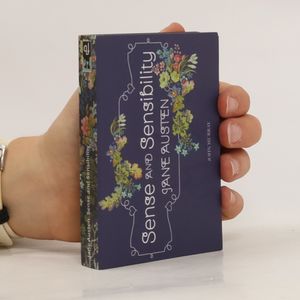
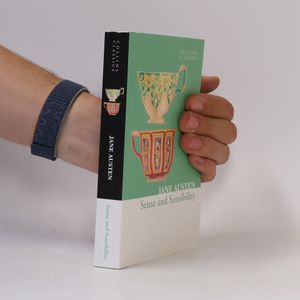
- 2010
- 2009


- 2008
- 2008
- 2008
- 2008
- 2007
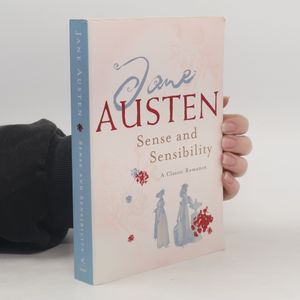
- 2006
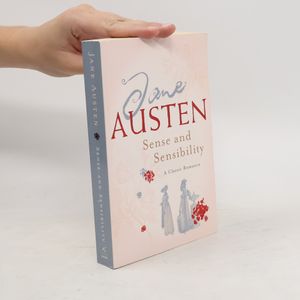
- 2005
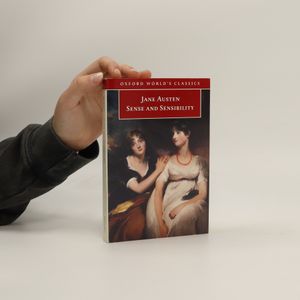


- 2004
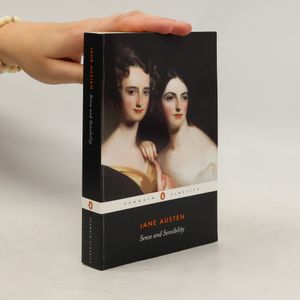
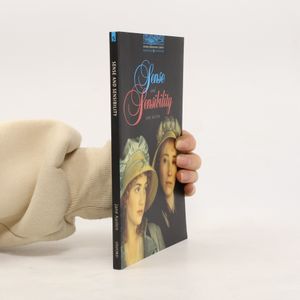
- 2001
- 2001
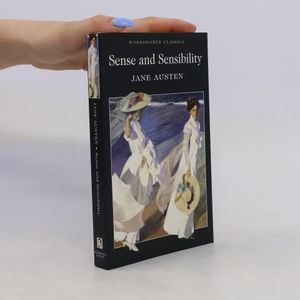
- 2000
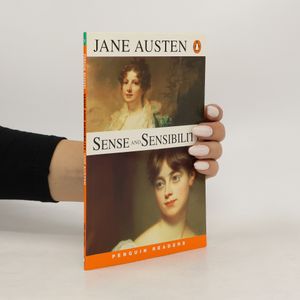
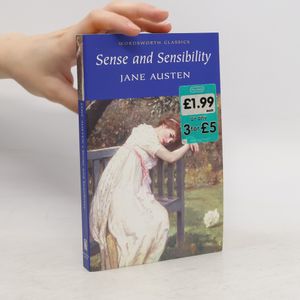
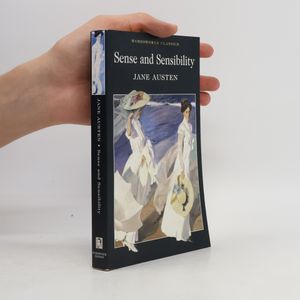

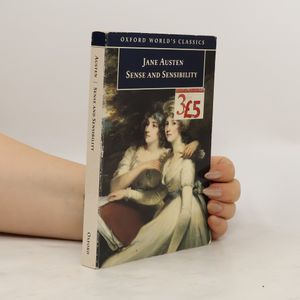
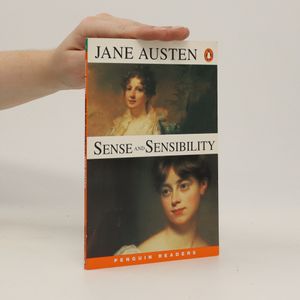

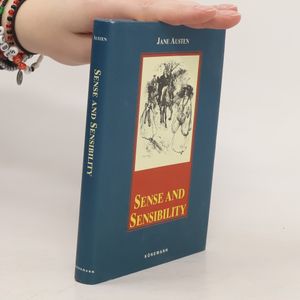
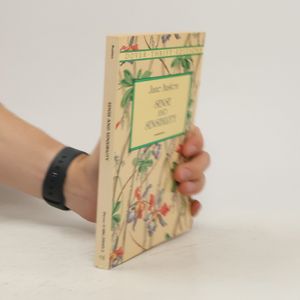

- 1996















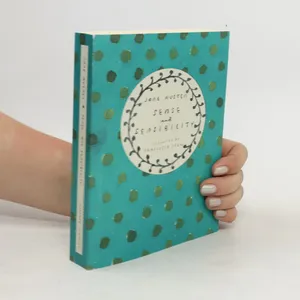
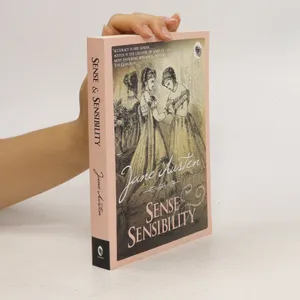
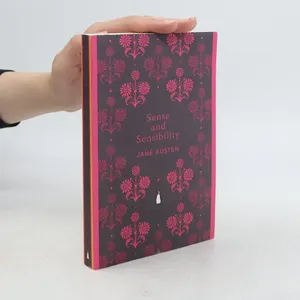
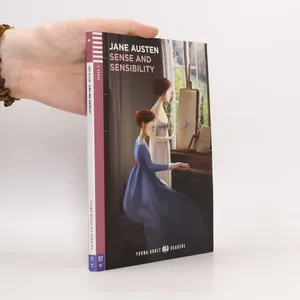








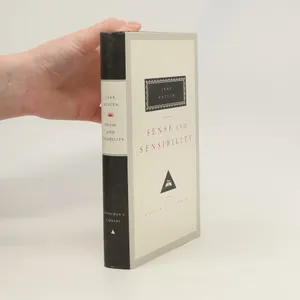
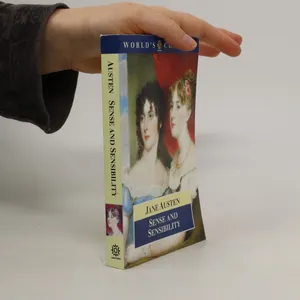
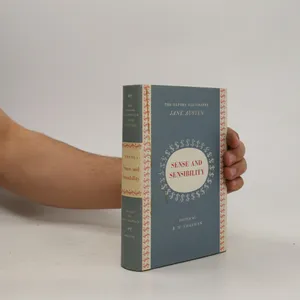

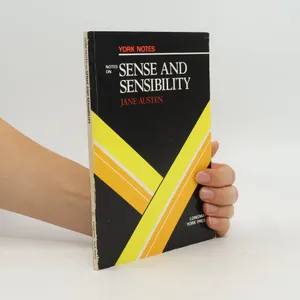



Achat du livre
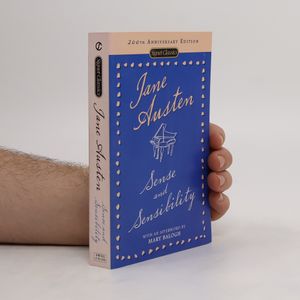
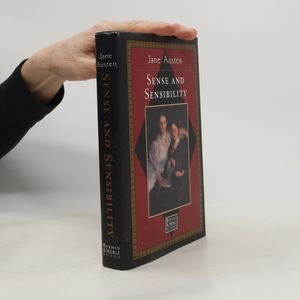
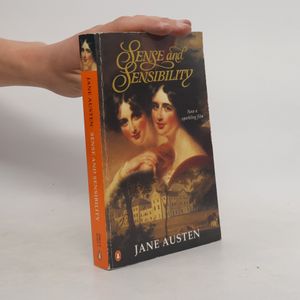
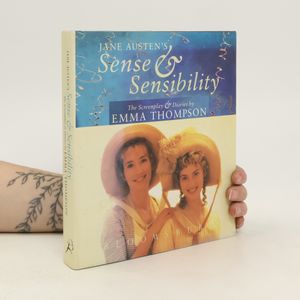
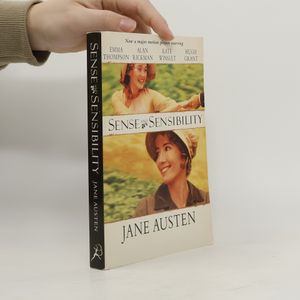
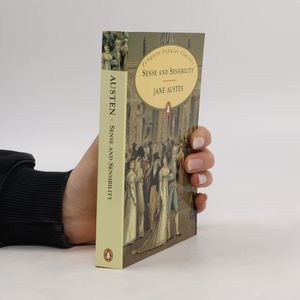
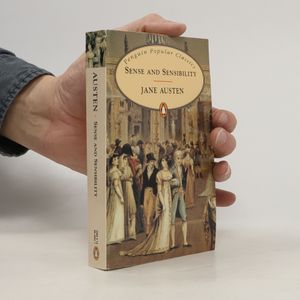
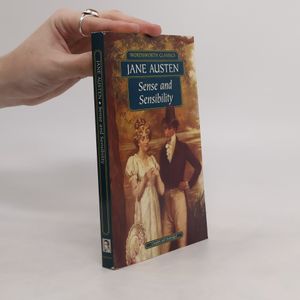
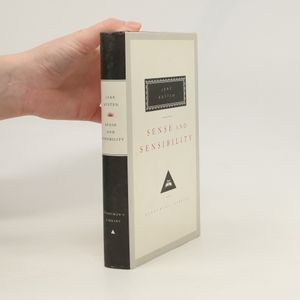
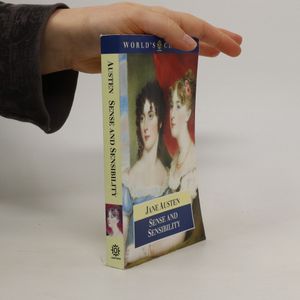
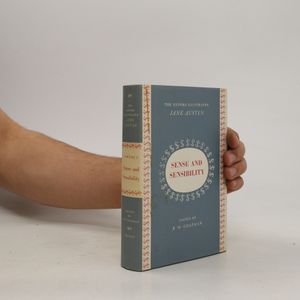
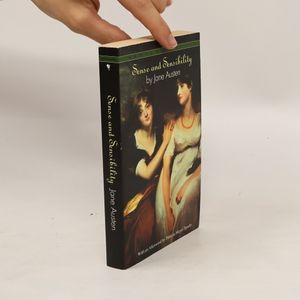
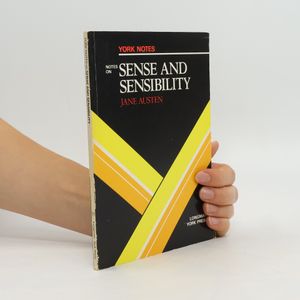
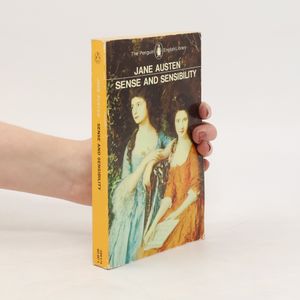
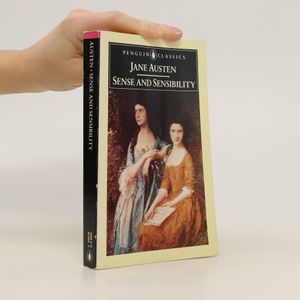
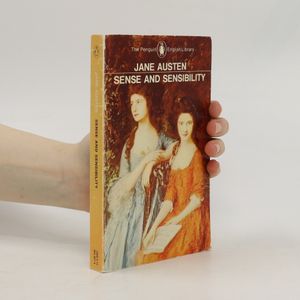
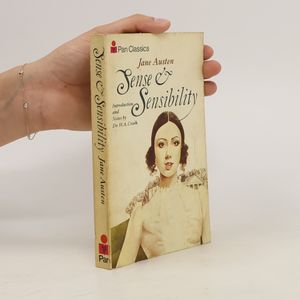
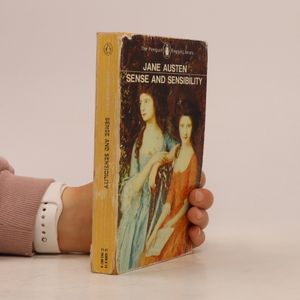
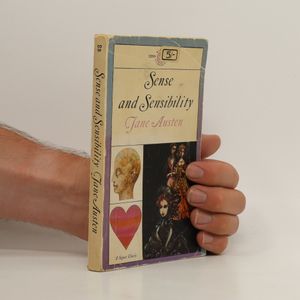
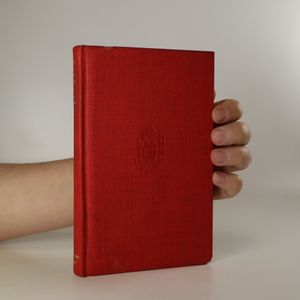
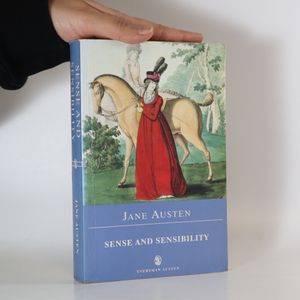
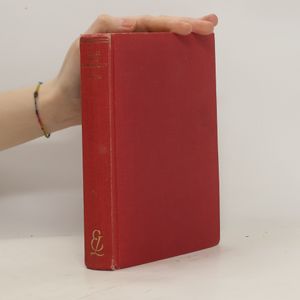
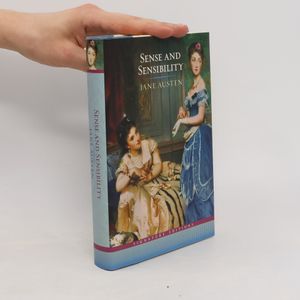
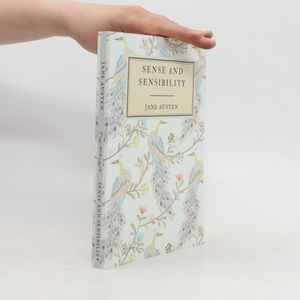
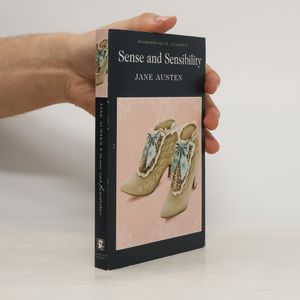
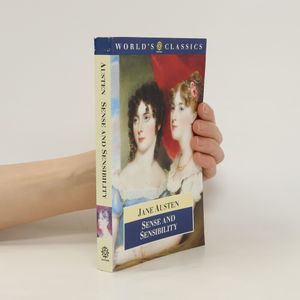
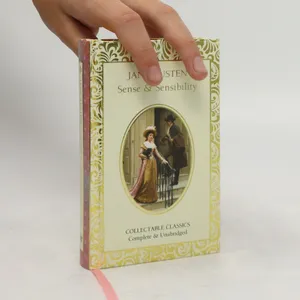
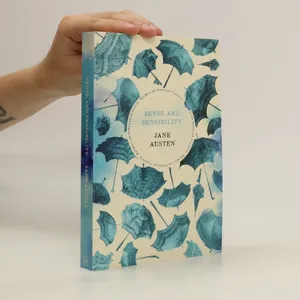
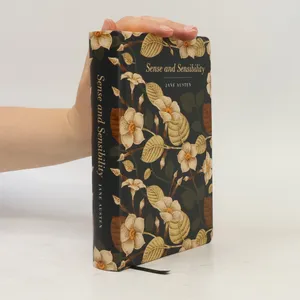
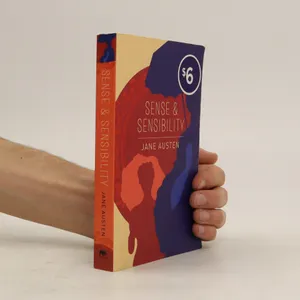
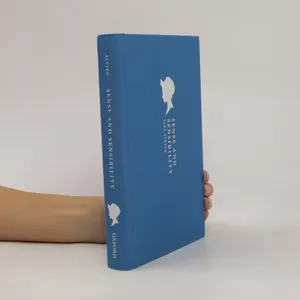
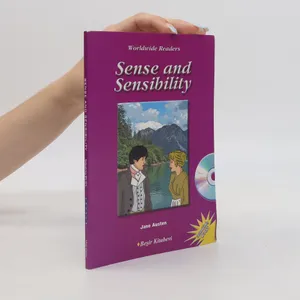
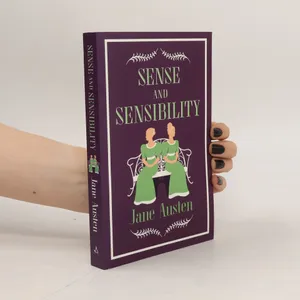
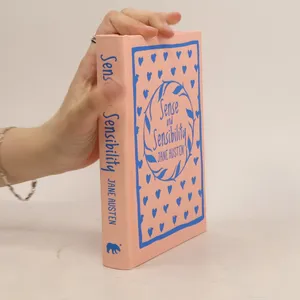
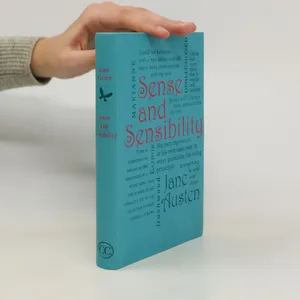
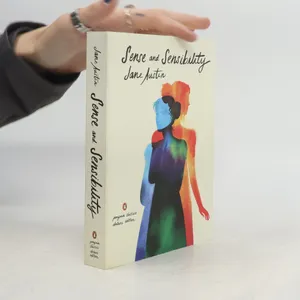
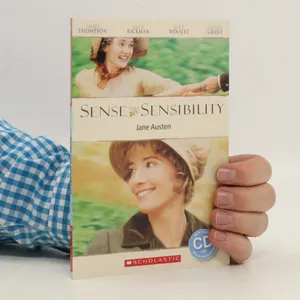
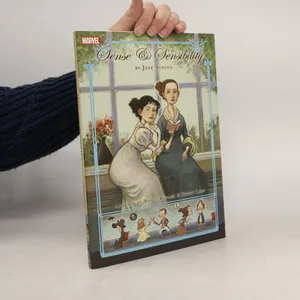
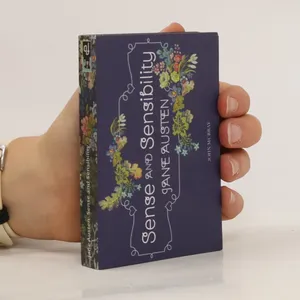
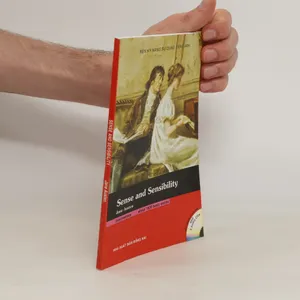
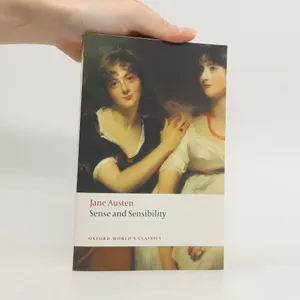
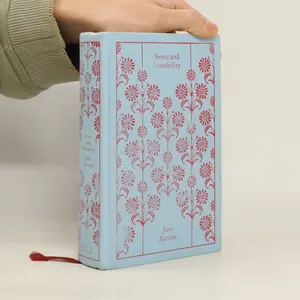
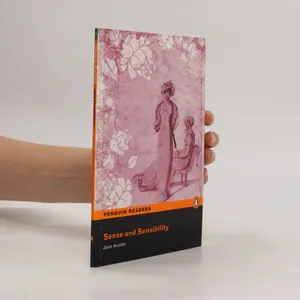
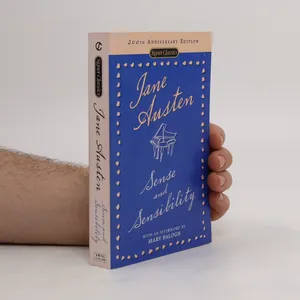
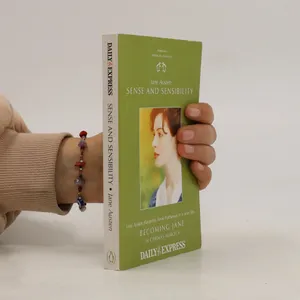
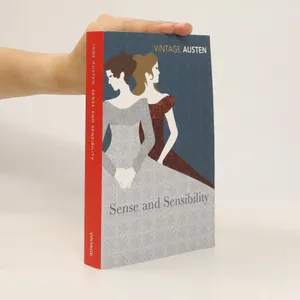
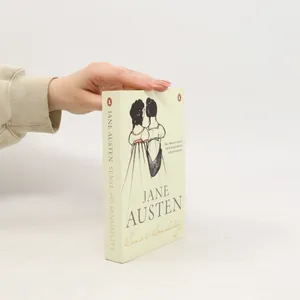
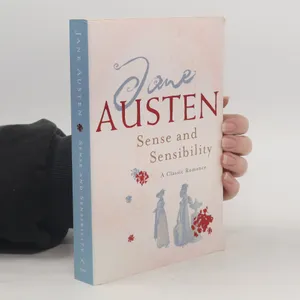
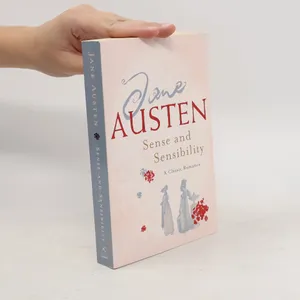
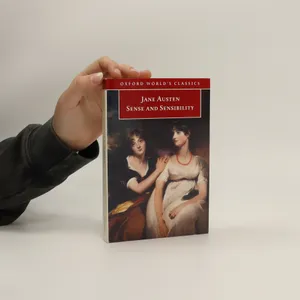
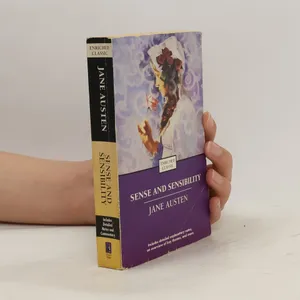
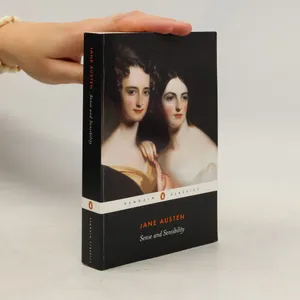
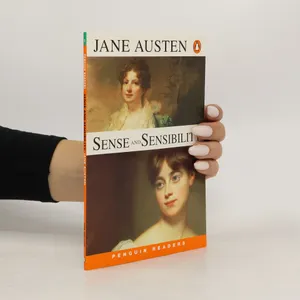
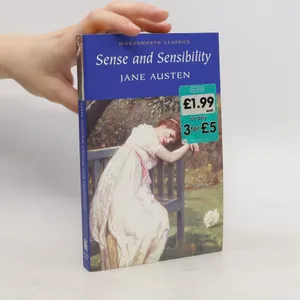
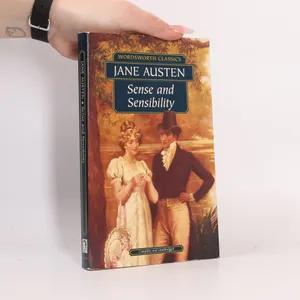
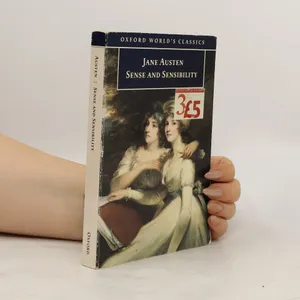
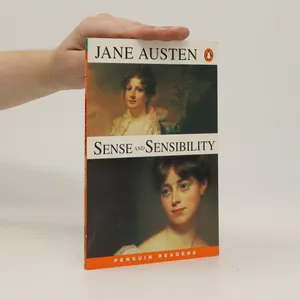
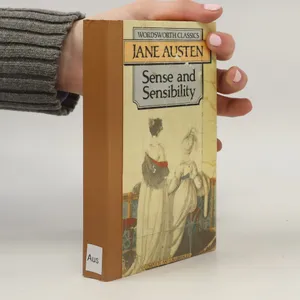
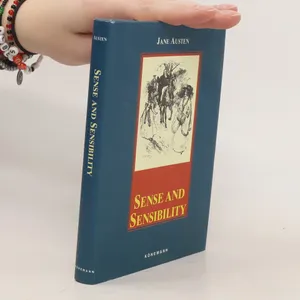
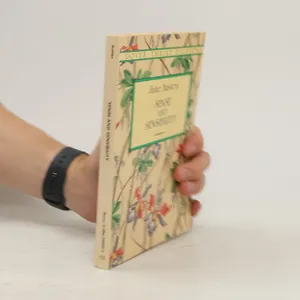
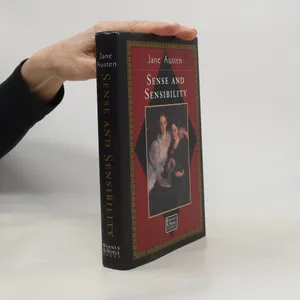
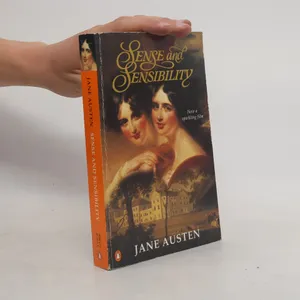
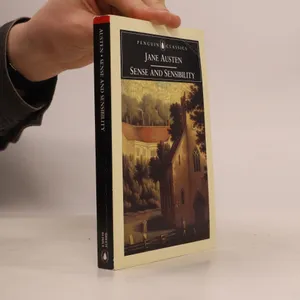
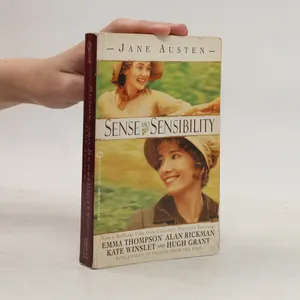
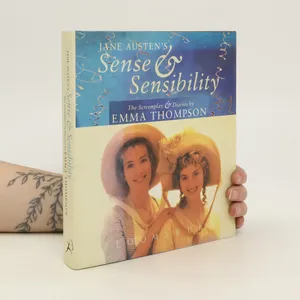
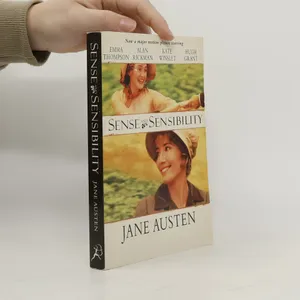
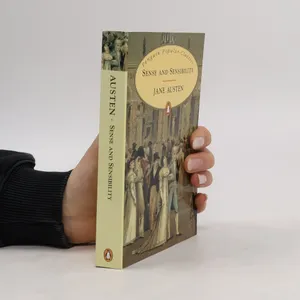
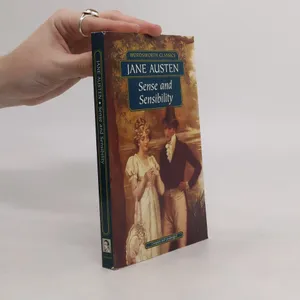
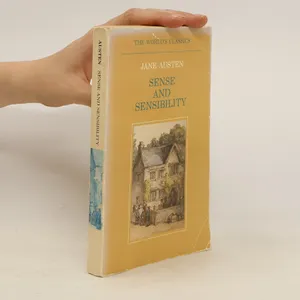
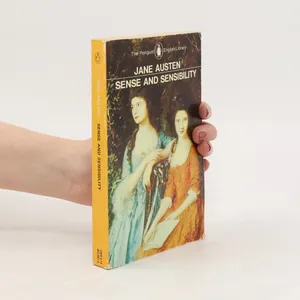
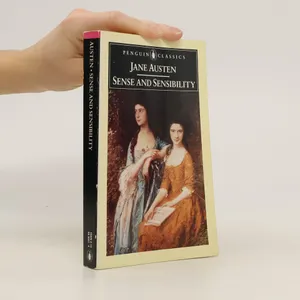
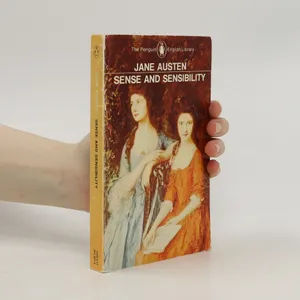
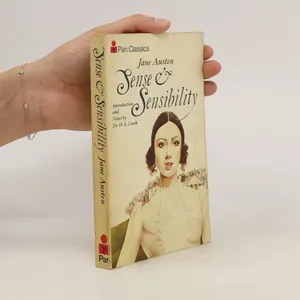
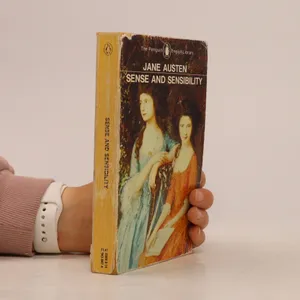
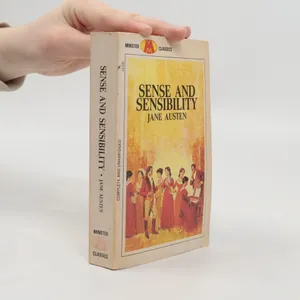
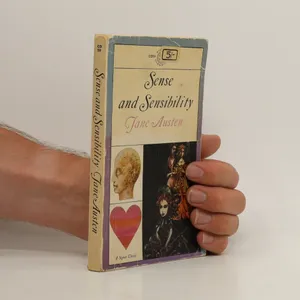
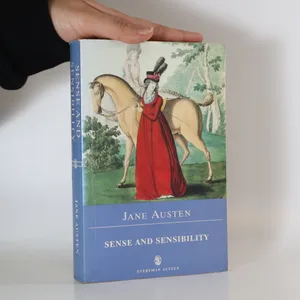
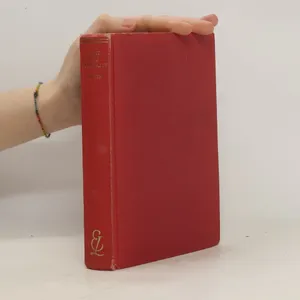
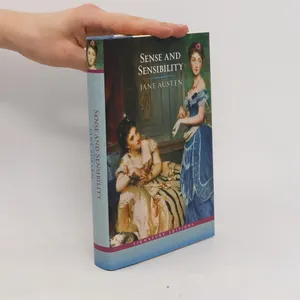
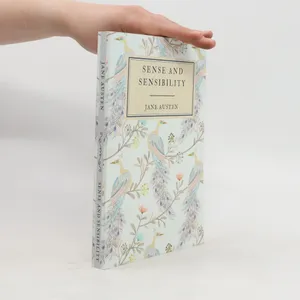
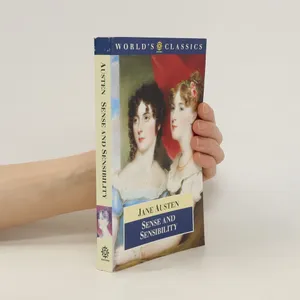
Sense and Sensibility, Jane Austen
- Langue

- Année de publication
- 2008
Modes de paiement
Il manque plus que ton avis ici.
- Langue
- Anglais
- Auteurs
- Jane Austen
- Éditeur
- Penguin
- Publié
- 2008
- ISBN10
- 0451531019
- ISBN13
- 9780451531018
- Séries
- Mots clés
- Fiction, Romans d'amour, Amour, Famille, Classiques, 19e siècle, Société, Angleterre, Romances historiques, Littérature anglaise, Adapté au cinéma, Émotions, Mariage, Sœurs, Romans anglais, Jane Austen, Angleterre des Régents
- Première publication
- 1811
- Titre original
- Sense and Sensibility
- Évaluation
- 4,1 sur 5
- Description
- Two sisters of opposing temperaments who share the pangs of new love provide the theme for Jane Austen’s dramatically human narrative. “I wish as well as everybody else to be perfectly happy but like everybody else it must be in my own way.” Elinor, practical and conventional, is the perfection of sense. Marianne, emotional and sentimental, is the embodiment of sensibility. To each comes the sorrow of unhappy love. Their mutual suffering brings a closer understanding between the two sisters—and true love finally triumphs when sense gives way to sensibility and sensibility gives way to sense. Jane Austen’s authentic representation of early-nineteenth-century middle-class provincial life, written with forceful insight and gentle irony, makes her novels the enduring works on the mores and manners of her time. With an Introduction by Margaret Drabble and an Afterword by Mary Balogh