




En savoir plus sur le livre
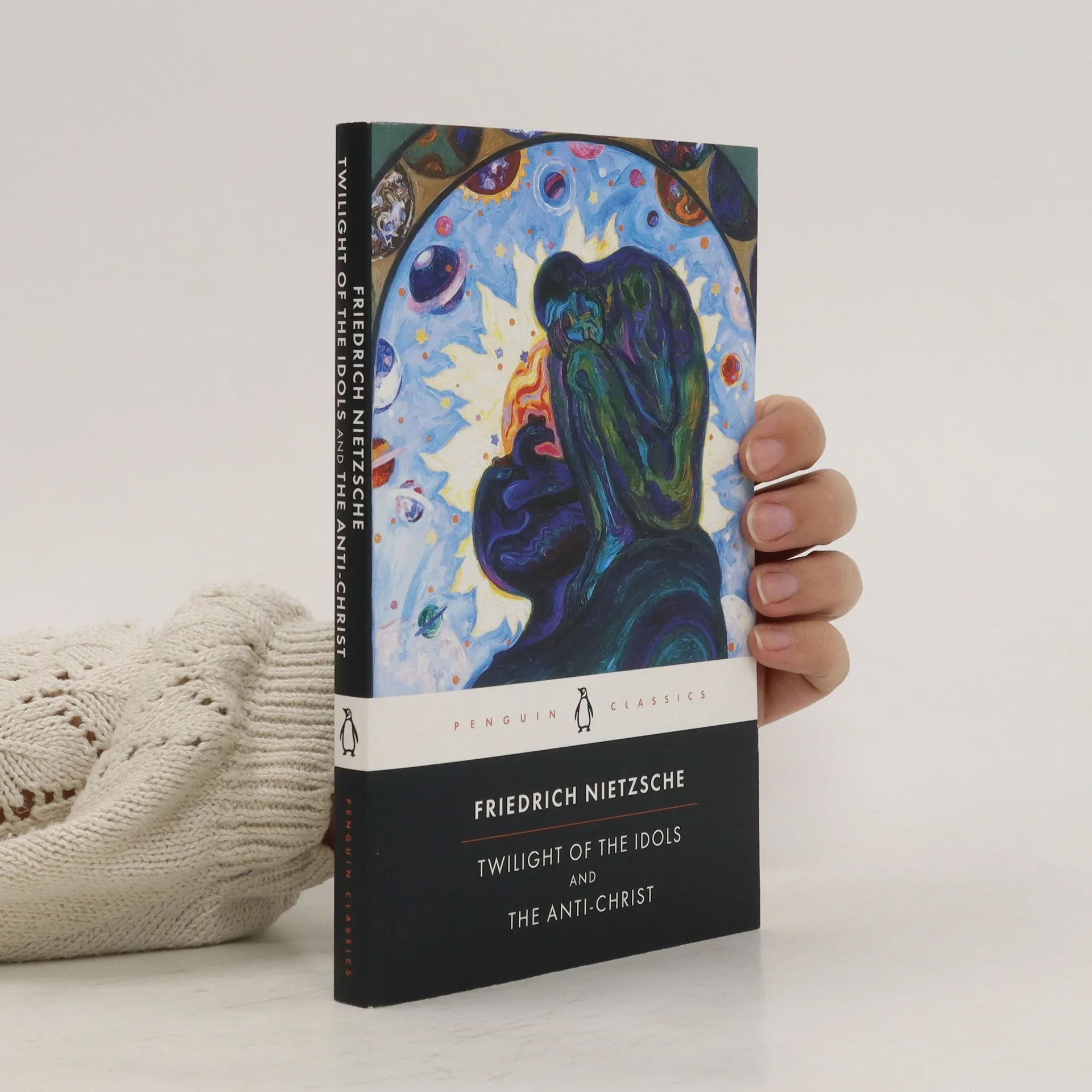
"Twilight of the Idols, 'a grand declaration of war' on all the prevalent ideas of Nietzsche's time, offers a lightning tour of his whole philosophy. It also prepares the way for The Anti-Christ, a final assault on institutional Christianity. Yet although Nietzsche makes a compelling case for the 'Dionysian' artist and celebrates magnificently two of his great heroes, Goethe and Cesare Borgia, he also gives a moving, almost ecstatic portrait of his only worthy opponent: Christ. Both works show Nietzsche lashing out at self-deception, astounded at how often morality is based on vengefulness and resentment. Both combine utterly unfair attacks on individuals with amazingly acute surveys of the whole contemporary cultural scene. Both reveal a profound understanding of human mean-spiritedness which still cannot destroy the underlying optimism of Nietzsche, the supreme affirmer among the great philosophers."--BOOK JACKET





Achat du livre
The Twilight of the Idols and the Anti-Christ, Friedrich Wilhelm Nietzsche
- Langue

- Année de publication
- 1990
- Reliure
- (souple)
Modes de paiement
Il manque plus que ton avis ici.
- Langue
- Anglais
- Auteurs
- Friedrich Wilhelm Nietzsche
- Éditeur
- Penguin Classics
- Publié
- 1990
- Format
- souple
- ISBN10
- 0140445145
- ISBN13
- 9780140445145
- Séries
- Mots clés
- Nonfiction, Sciences sociales, Esotérisme & Religion, Thèmes religieux, Thématique philosophique, Religion, Littérature allemande, 19e siècle, Bouddhisme, Critique de la Religion
- Première publication
- 1895
- Titre original
- Der Antichrist
- Évaluation
- 3,6 sur 5
- Description
- "Twilight of the Idols, 'a grand declaration of war' on all the prevalent ideas of Nietzsche's time, offers a lightning tour of his whole philosophy. It also prepares the way for The Anti-Christ, a final assault on institutional Christianity. Yet although Nietzsche makes a compelling case for the 'Dionysian' artist and celebrates magnificently two of his great heroes, Goethe and Cesare Borgia, he also gives a moving, almost ecstatic portrait of his only worthy opponent: Christ. Both works show Nietzsche lashing out at self-deception, astounded at how often morality is based on vengefulness and resentment. Both combine utterly unfair attacks on individuals with amazingly acute surveys of the whole contemporary cultural scene. Both reveal a profound understanding of human mean-spiritedness which still cannot destroy the underlying optimism of Nietzsche, the supreme affirmer among the great philosophers."--BOOK JACKET