


Paramètres
- 120pages
- 5 heures de lecture
En savoir plus sur le livre
Siddhartha is a novel by Hermann Hesse that deals with the spiritual journey of self-discovery of a man named Siddhartha during the time of the Gautama Buddha. The book, Hesse's ninth novel (1922), was written in German, in a simple, lyrical style. It was published in the U.S. in 1951 and became influential during the 1960s. Hesse dedicated Siddhartha to his wife Ninon and supposedly afterwards to Romain Rolland and Wilhelm Gundert. The word Siddhartha is made up of two words in the Sanskrit language, siddha (achieved) + artha (meaning or wealth), which together means "he who has found meaning (of existence)" or "he who has attained his goals." In fact, the Buddha's own name, before his renunciation, was Siddhartha Gautama, Prince of Kapilvastu, Nepal. In this book, the Buddha is referred to as "Gotama."


Édition

- 2024

- 2024

- 2023
- 2023
- 2023
- 2023
- 2023
- 2023
- 2023
- 2023
- 2023
- 2023
- 2023
- 2022
- 2022
- 2022
- 2022
- 2022
- 2022
- 2022
- 2021
- 2021
- 2021
- 2021
- 2021

- 2020
- 2020
- 2020
- 2020
- 2020
- 2019
- 2019
- 2019
- 2019

- 2018
- 2018
- 2018
- 2018
- 2018
- 2018
- 2018
- 2018

- 2017

- 2017

- 2016
- 2016


- 2014
- 2014
- 2013
- 2013
- 2013
- 2013
- 2013
- 2013
- 2013

- 2012
- 2012
- 2012
- 2012
- 2012
- 2012
- 2012
- 2011
- 2011
- 2011
- 2011
- 2011
- 2011
- 2011
- 2011
- 2011
- 2011
- 2010
- 2010
- 2010
- 2010
- 2010
- 2010
- 2010

- 2009
- 2009
- 2009


- 2008
- 2008
- 2008
- 2008
- 2008

- 2007
- 2007
- 2007
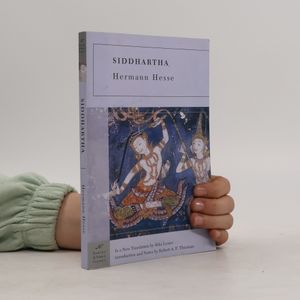
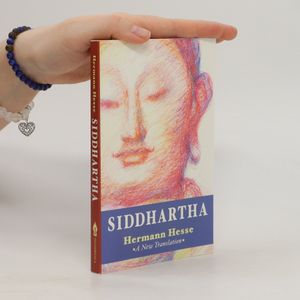


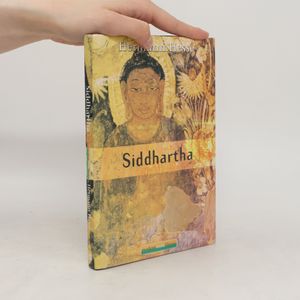
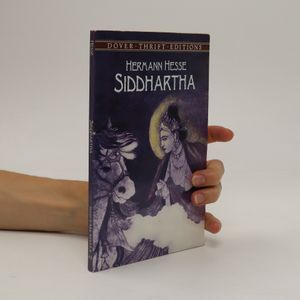
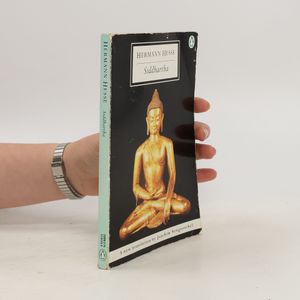

- 1997
- 1996


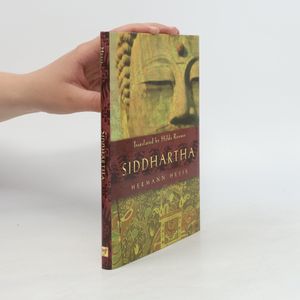
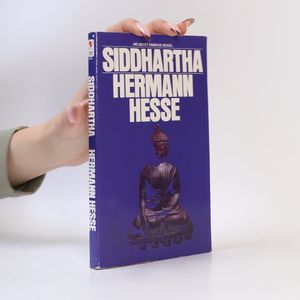











Achat du livre
Siddhartha, Hermann Hesse
- Langue

- Année de publication
- 2022
- product-detail.submit-box.info.binding
- (souple)
Modes de paiement
Il manque plus que ton avis ici.
- Titre
- Siddhartha
- Langue
- Anglais
- Auteurs
- Hermann Hesse
- Éditeur
- Creative Media Partners, LLC
- Publié
- 2022
- Format
- souple
- Pages
- 120
- ISBN13
- 9781015410114
- Séries
- Mots clés
- Fiction, Esotérisme & Religion, Thèmes religieux, Thématique philosophique, Religion, Littérature allemande, Spiritualité et spiritualisme, Classiques, Amitié, Allemagne, Divertissement, Mort, Vie, Foi, Adapté au cinéma, Bouddhisme, Romans courts, Inde, Bonheur, Enquête, Hindouisme, Expériences, vécus, Enseignante, professeurs, Recherche de soi, Sagesse de vie, Dieux, Art graphique, Bouddha, Rédemption, salut, Nirvana, Ascèse
- Première publication
- 1922
- Titre original
- Siddhartha
- Évaluation
- 3,95 sur 5
- Description
- Siddhartha is a novel by Hermann Hesse that deals with the spiritual journey of self-discovery of a man named Siddhartha during the time of the Gautama Buddha. The book, Hesse's ninth novel (1922), was written in German, in a simple, lyrical style. It was published in the U.S. in 1951 and became influential during the 1960s. Hesse dedicated Siddhartha to his wife Ninon and supposedly afterwards to Romain Rolland and Wilhelm Gundert. The word Siddhartha is made up of two words in the Sanskrit language, siddha (achieved) + artha (meaning or wealth), which together means "he who has found meaning (of existence)" or "he who has attained his goals." In fact, the Buddha's own name, before his renunciation, was Siddhartha Gautama, Prince of Kapilvastu, Nepal. In this book, the Buddha is referred to as "Gotama."