

En savoir plus sur le livre
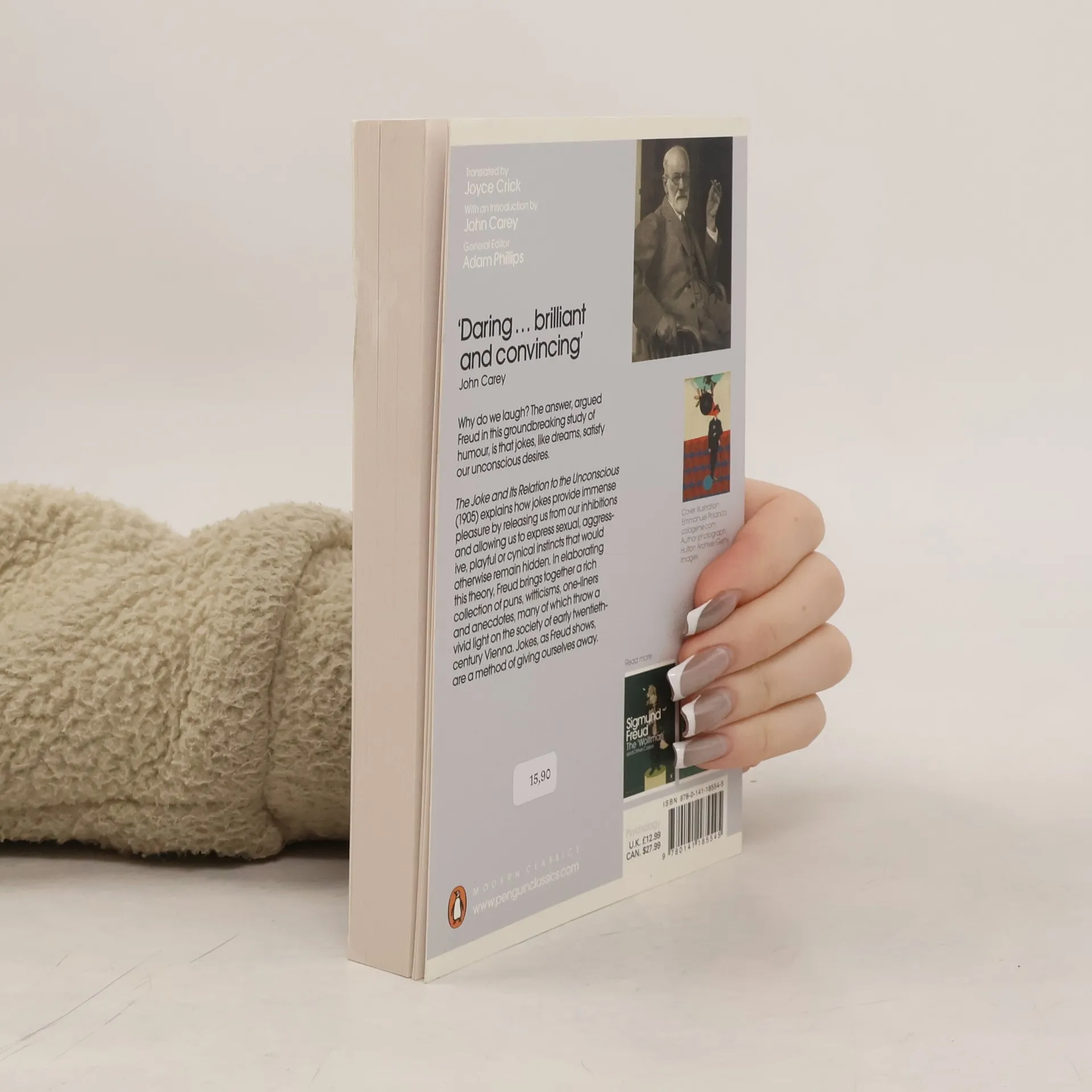
Building on the crucial insight that jokes use many of the same mechanisms he had already discovered in dreams, Freud developed one of the richest and most comprehensive theories of humour that has ever been produced. Jokes, he argues, provide immense pleasure by allowing us to express many of our deepest sexual, aggressive and cynical thoughts and feelings which would otherwise remain repressed. In elaborating this central thesis, he brings together a dazzling set of puns, anecdotes, snappyone-liners, spoonerisms and beloved stories of Jewish beggars and marriage-brokers. Many remain highly amusing, while others throw a vivid light on the lost world of early twentieth-century Vienna.







Achat du livre
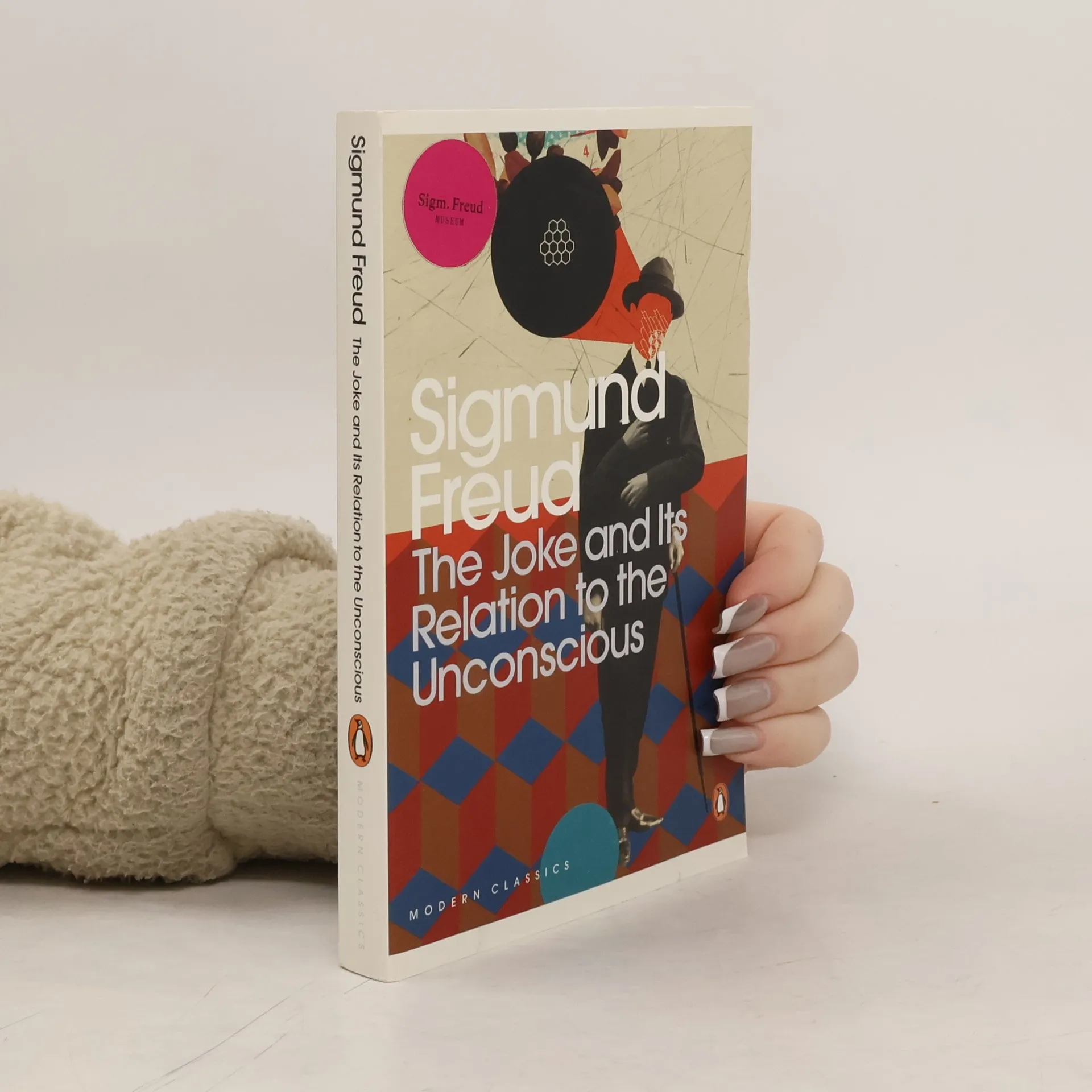
The joke and its relation to the unconscious, Sigmund Freud
- Langue

- Année de publication
- 2002
- Reliure
- (souple)
Modes de paiement
Il manque plus que ton avis ici.
- Langue
- Anglais
- Auteurs
- Sigmund Freud
- Éditeur
- Penguin Books
- Publié
- 2002
- Format
- souple
- ISBN10
- 0141185546
- ISBN13
- 9780141185545
- Séries
- Mots clés
- Nonfiction, Sciences sociales, Manuels, Esotérisme & Religion, Histoires vraies, Technologie & Ingénierie, Thèmes psychologiques, Thèmes religieux, Humour, Thématique philosophique, Science, Technologie, Sociologie, Presse d'opinion & Essais, Littérature spécialisée, Mythologie, Théories scientifiques, Désir, Rêves, Psychoanalyse, Blagues & Anecdotes, Rire, Comique, Sigmund Freud, Moïse, Névroses, Monothéisme
- Première publication
- 1904
- Titre original
- Zur Psychopathologie des Alltagslebens
- Évaluation
- 3,9 sur 5
- Description
- Building on the crucial insight that jokes use many of the same mechanisms he had already discovered in dreams, Freud developed one of the richest and most comprehensive theories of humour that has ever been produced. Jokes, he argues, provide immense pleasure by allowing us to express many of our deepest sexual, aggressive and cynical thoughts and feelings which would otherwise remain repressed. In elaborating this central thesis, he brings together a dazzling set of puns, anecdotes, snappyone-liners, spoonerisms and beloved stories of Jewish beggars and marriage-brokers. Many remain highly amusing, while others throw a vivid light on the lost world of early twentieth-century Vienna.