

En savoir plus sur le livre
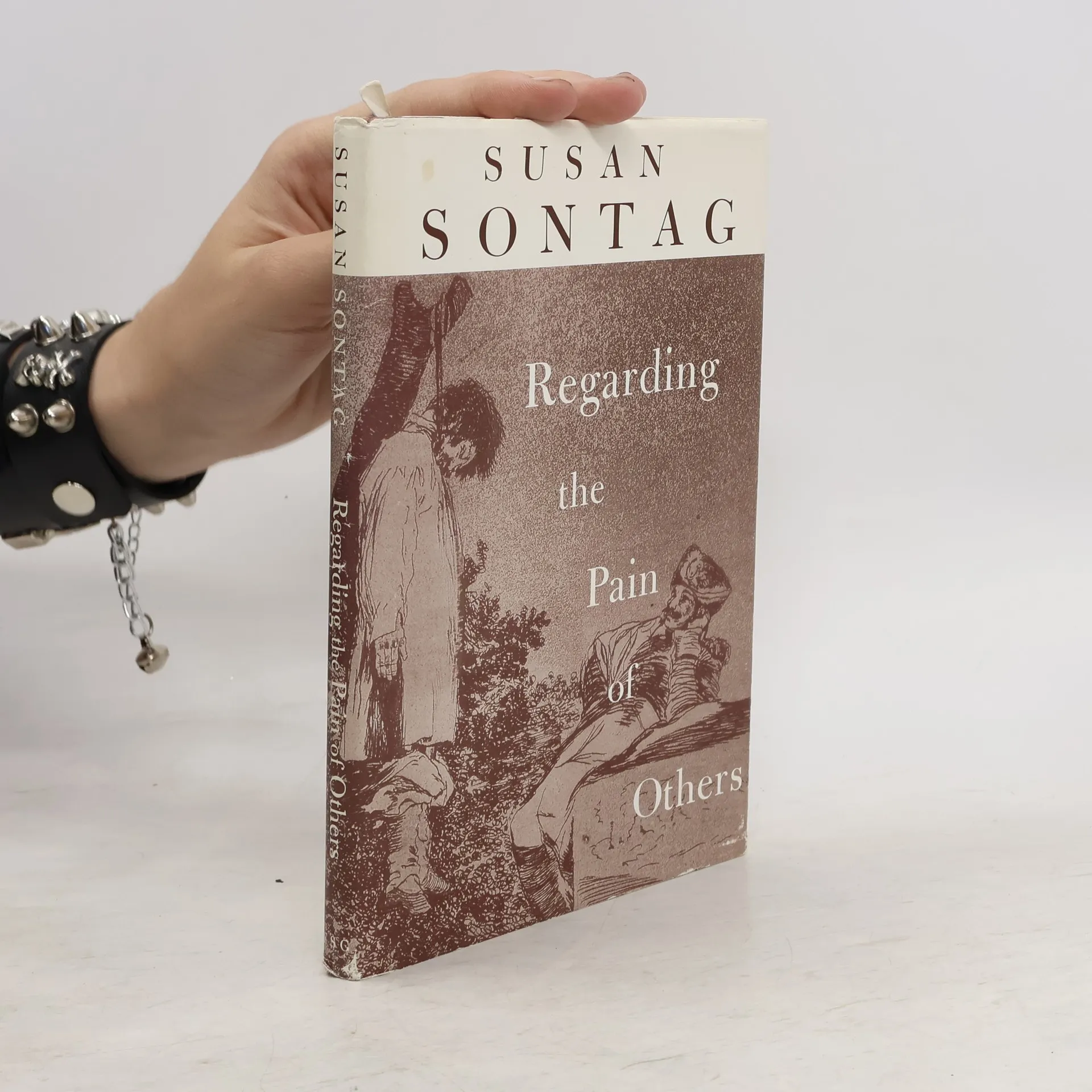
Watching the evening news offers constant evidence of atrocity--a daily commonplace in our "society of spectacle." But are viewers inured--or incited--to violence by the daily depiction of cruelty and horror? Is the viewer's perception of reality eroded by the universal availability of imagery intended to shock? In this investigation of the role of imagery in our culture, Susan Sontag cuts through circular arguments about how pictures can inspire dissent or foster violence as she takes a fresh look at the representation of atrocity--from Goya's The Disasters of War to photographs of the American Civil War, lynchings of blacks in the South, and Dachau and Auschwitz to contemporary horrific images of Bosnia, Sierra Leone, Rwanda, and New York City on September 11, 2001. Sontag's new book, a startling reappraisal of the intersection of "information", "news," "art," and politics in the contemporary depiction of war and disaster, will forever alter our thinking about the uses and meanings of images in our world




Achat du livre
Regarding the Pain of Others, Susan Sontag
- Langue

- Année de publication
- 2003
- product-detail.submit-box.info.binding
- (rigide)
Modes de paiement
Il manque plus que ton avis ici.
- Langue
- Anglais
- Auteurs
- Susan Sontag
- Éditeur
- Macmillan
- Publié
- 2003
- Format
- rigide
- ISBN10
- 0374248583
- ISBN13
- 9780374248581
- Séries
- Mots clés
- Nonfiction, Art / Culture, Sciences sociales, Thème historique, Histoire, Histoires vraies, Thèmes psychologiques, Thématique philosophique, Art, Philosophie, Psychologie, Science, Photographie, Histoire militaire, Prose de guerre, Guerres, Presse d'opinion & Essais, Amérique, Culture, Théories scientifiques, Photos, Étude, Réflexions et Pensées, Haine, Douleur, Cruauté, terreur, Colère, Souffrance
- Première publication
- 2003
- Titre original
- Regarding the Pain of Others
- Évaluation
- 4,1 sur 5
- Description
- Watching the evening news offers constant evidence of atrocity--a daily commonplace in our "society of spectacle." But are viewers inured--or incited--to violence by the daily depiction of cruelty and horror? Is the viewer's perception of reality eroded by the universal availability of imagery intended to shock? In this investigation of the role of imagery in our culture, Susan Sontag cuts through circular arguments about how pictures can inspire dissent or foster violence as she takes a fresh look at the representation of atrocity--from Goya's The Disasters of War to photographs of the American Civil War, lynchings of blacks in the South, and Dachau and Auschwitz to contemporary horrific images of Bosnia, Sierra Leone, Rwanda, and New York City on September 11, 2001. Sontag's new book, a startling reappraisal of the intersection of "information", "news," "art," and politics in the contemporary depiction of war and disaster, will forever alter our thinking about the uses and meanings of images in our world