



Paramètres
- 166pages
- 6 heures de lecture
En savoir plus sur le livre
Die Freiheitsabhandlung, 1839 preisgekrönt, aber bis heute als eine Gelegenheitsschrift vernachlässigt, ist die Summe einer kritischen Freiheitsanalyse der Tradition und zugleich der Ausgangspunkt jeder neueren Freiheitstheorie, die wissenschaftlichen Kriterien genügen will. Schopenhauers Verwerfung der These von einer Freiheit des Willens eint als sinnvolle Arbeitsvoraussetzung empirischer Forschung selbst Psychoanalyse und Behaviorismus. Seine Begründung zu verfolgen scheint gerade dann geboten, wenn eine 'Ethik ohne Metaphysik' möglich sein soll: Die Hauptthese der Unfreiheit des Willens verteidigt Schopenhauer unabhängig von seiner spekulativen Philosophie und mit dem strengen Anspruch auf Überprüfbarkeit.




Achat du livre
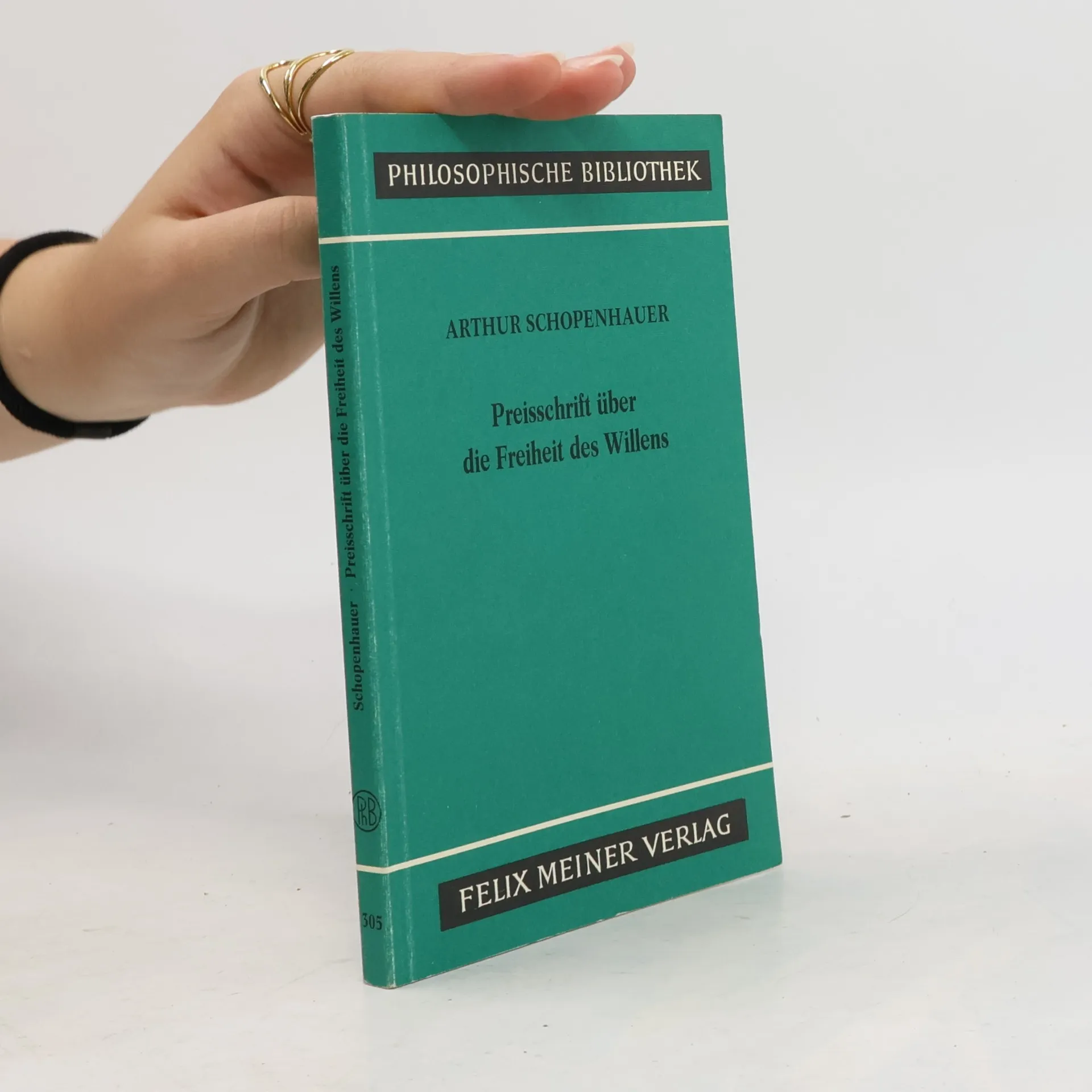
Philosophische Bibliothek: Preisschrift über die Freiheit des Willens, Arthur Schopenhauer, Hans Ebeling
- Langue

- Année de publication
- 1978
- Reliure
- (souple)
Modes de paiement
Il manque plus que ton avis ici.
- Titre
- Philosophische Bibliothek: Preisschrift über die Freiheit des Willens
- Langue
- Allemand
- Auteurs
- Arthur Schopenhauer, Hans Ebeling
- Éditeur
- Meiner
- Publié
- 1978
- Format
- souple
- Pages
- 166
- ISBN10
- 3787304185
- ISBN13
- 9783787304189
- Séries
- Mots clés
- Thèmes psychologiques, Thèmes religieux, Thématique philosophique, Littérature allemande, Allemagne, 19e siècle
- Titre original
- Die beiden Grundprobleme der Ethik
- Évaluation
- 4,2 sur 5
- Description
- Die Freiheitsabhandlung, 1839 preisgekrönt, aber bis heute als eine Gelegenheitsschrift vernachlässigt, ist die Summe einer kritischen Freiheitsanalyse der Tradition und zugleich der Ausgangspunkt jeder neueren Freiheitstheorie, die wissenschaftlichen Kriterien genügen will. Schopenhauers Verwerfung der These von einer Freiheit des Willens eint als sinnvolle Arbeitsvoraussetzung empirischer Forschung selbst Psychoanalyse und Behaviorismus. Seine Begründung zu verfolgen scheint gerade dann geboten, wenn eine 'Ethik ohne Metaphysik' möglich sein soll: Die Hauptthese der Unfreiheit des Willens verteidigt Schopenhauer unabhängig von seiner spekulativen Philosophie und mit dem strengen Anspruch auf Überprüfbarkeit.