



En savoir plus sur le livre
This engaging, non-mathematical introduction to neural networks explores how these computer models enhance our understanding of perception, thought, emotion, and action. It delves into the workings of the brain, examining how billions of neurons generate ideas and sensations, and why learning speeds vary with age. By employing computer models, scientists gain insights into human experiences, including learning, creativity, and mental health. The author illustrates how these models can reshape our perspectives on education, aging, politics, and mental disorders. The book is structured in three parts: the first presents the foundational theory of neural networks and their operational mechanisms. The second discusses the principles of network functioning and the implications of computer simulations for our comprehension of brain processes. The third part highlights applications of network models in areas like knowledge representation, language, and mental disorders such as schizophrenia and Alzheimer's disease, offering fresh insights into both typical and atypical mental states. The author concludes by reflecting on the broader implications of neural networks for neuropsychology and human nature, emphasizing their transformative potential in understanding the mind.

Achat du livre
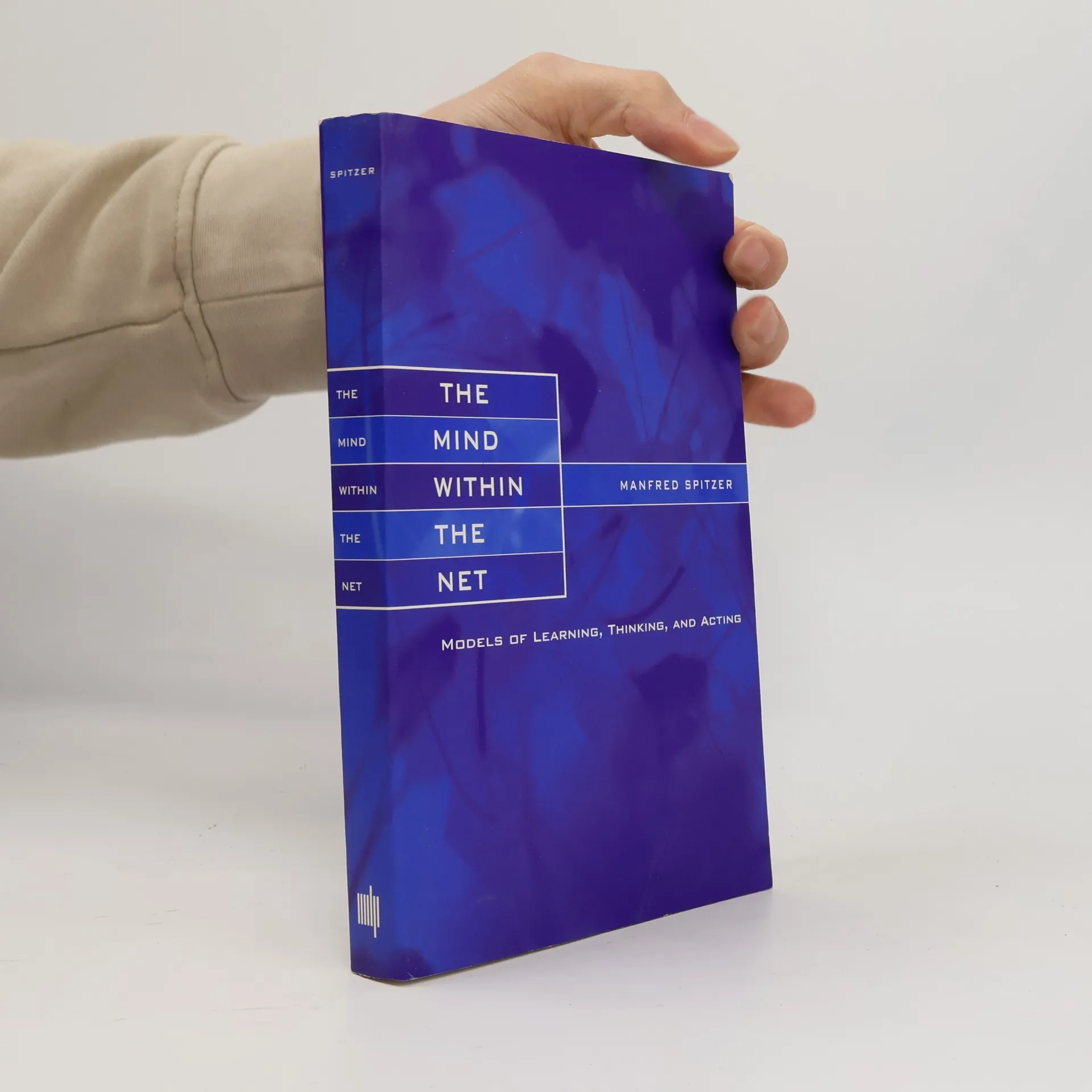
The Mind within the Net, Manfred Spitzer
- Langue

- Année de publication
- 1999
- Reliure
- (souple),
- État du livre
- Bon
- Prix
- 3,19 €
Modes de paiement
Il manque plus que ton avis ici.
- Titre
- The Mind within the Net
- Sous-titre
- Models of Learning, Thinking, and Acting
- Langue
- Anglais
- Auteurs
- Manfred Spitzer
- Éditeur
- MIT Press
- Publié
- 1999
- Format
- souple
- Pages
- 376
- ISBN10
- 0262692368
- ISBN13
- 9780262692366
- Séries
- Catégories
- Mots clés
- Thèmes psychologiques, Science, Neurosciences
- Titre original
- Geist im Netz
- Évaluation
- 4,55 sur 5
- Description
- This engaging, non-mathematical introduction to neural networks explores how these computer models enhance our understanding of perception, thought, emotion, and action. It delves into the workings of the brain, examining how billions of neurons generate ideas and sensations, and why learning speeds vary with age. By employing computer models, scientists gain insights into human experiences, including learning, creativity, and mental health. The author illustrates how these models can reshape our perspectives on education, aging, politics, and mental disorders. The book is structured in three parts: the first presents the foundational theory of neural networks and their operational mechanisms. The second discusses the principles of network functioning and the implications of computer simulations for our comprehension of brain processes. The third part highlights applications of network models in areas like knowledge representation, language, and mental disorders such as schizophrenia and Alzheimer's disease, offering fresh insights into both typical and atypical mental states. The author concludes by reflecting on the broader implications of neural networks for neuropsychology and human nature, emphasizing their transformative potential in understanding the mind.