

Le livre est actuellement en rupture de stock
En savoir plus sur le livre
Shakespeare's portrayal of Caesar presents a modern, complex character who grapples with vulnerability and self-awareness, diverging from Plutarch's depiction. The play's open-ended structure suggests that the consequences of events extend beyond its conclusion, complicating the interpretation of its historical significance. John D. Cox's introduction explores genre, characterization, and rhetoric, complemented by a comprehensive history of critical perspectives. Additionally, the appendices include key excerpts from influential works by Lucretius, Plutarch, and Montaigne, enriching the understanding of the play's context.

Édition

- 2024

- 2024
- 2023
- 2023
- 2023
- 2022
- 2022
- 2022
- 2022
- 2022
- 2022
- 2021
- 2021
- 2021
- 2018
- 2018
- 2017
- 2017
- 2016
- 2016
- 2015
- 2014
- 2014
- 2014
- 2013
- 2013
- 2012
- 2012
- 2012
- 2012
- 2012
- 2012
- 2012
- 2012
- 2012
- 2012
- 2012
- 2011
- 2011
- 2011
- 2011
- 2011
- 2011

- 2010
- 2010
- 2009
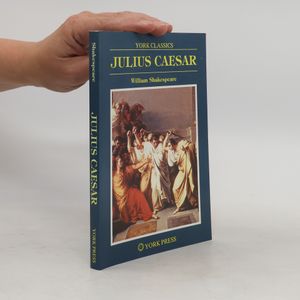





- 2003


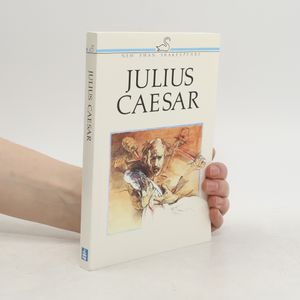
- 2000

- 1998
- 1997

- 1992






- 1979











Achat du livre
Julius Caesar, William Shakespeare
- Langue

- Année de publication
- 2003
Modes de paiement
Il manque plus que ton avis ici.
- Titre
- Julius Caesar
- Langue
- Anglais
- Auteurs
- William Shakespeare
- Éditeur
- Rupa
- Publié
- 2003
- Pages
- 106
- ISBN13
- 9788129101914
- Séries
- Mots clés
- Fiction, Thème historique, Classiques, Meurtres, Guerres, Mort, Pièces de théâtre, Littérature anglaise, Trahison, Rome, Roms, Tragédie, Dramas Anglais, Gaius Julius César, Dramas Historiques
- Première publication
- 1599
- Titre original
- The Tragedy of Julius Caesar
- Évaluation
- 3,75 sur 5
- Description
- Shakespeare's portrayal of Caesar presents a modern, complex character who grapples with vulnerability and self-awareness, diverging from Plutarch's depiction. The play's open-ended structure suggests that the consequences of events extend beyond its conclusion, complicating the interpretation of its historical significance. John D. Cox's introduction explores genre, characterization, and rhetoric, complemented by a comprehensive history of critical perspectives. Additionally, the appendices include key excerpts from influential works by Lucretius, Plutarch, and Montaigne, enriching the understanding of the play's context.