


Paramètres
- 473pages
- 17 heures de lecture
En savoir plus sur le livre
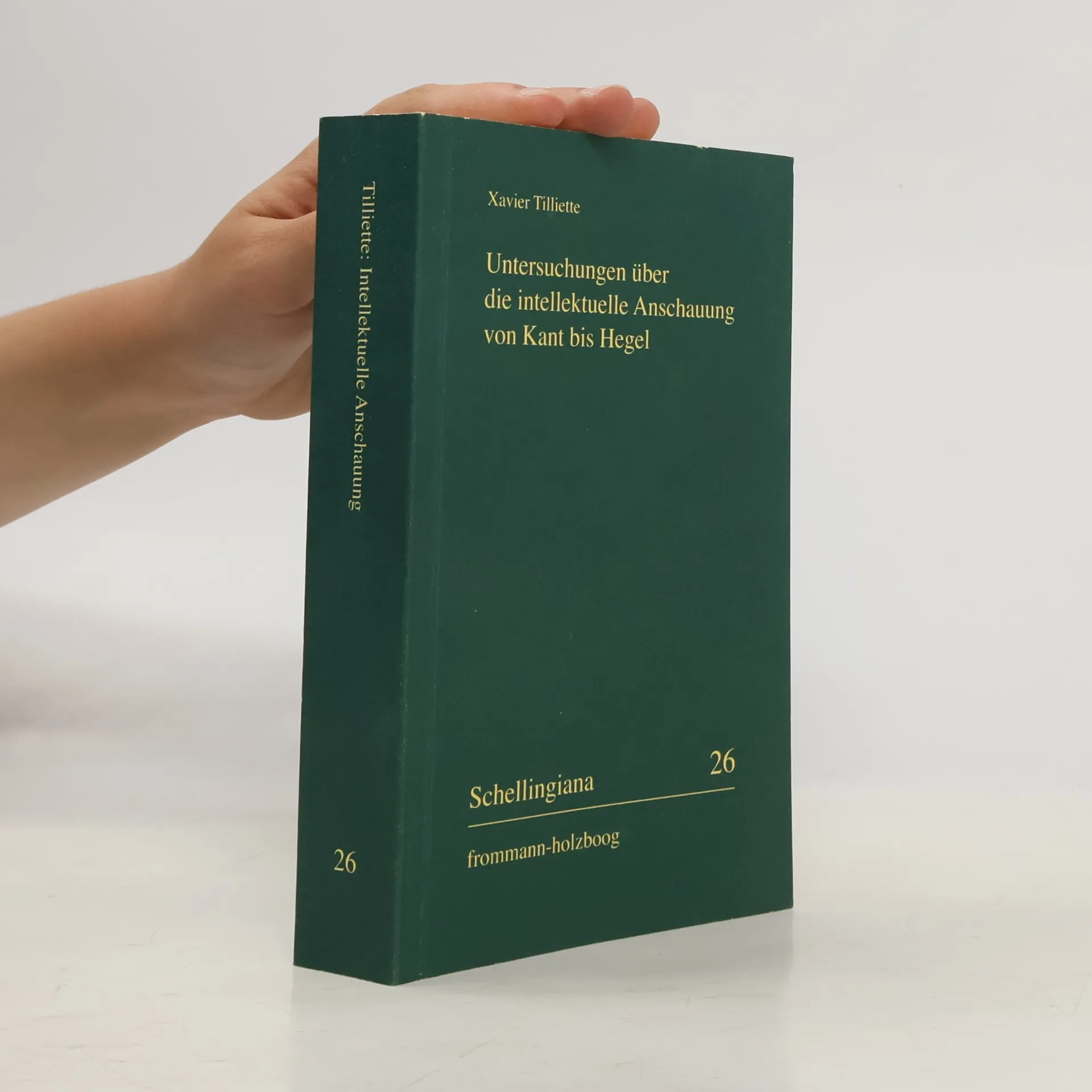
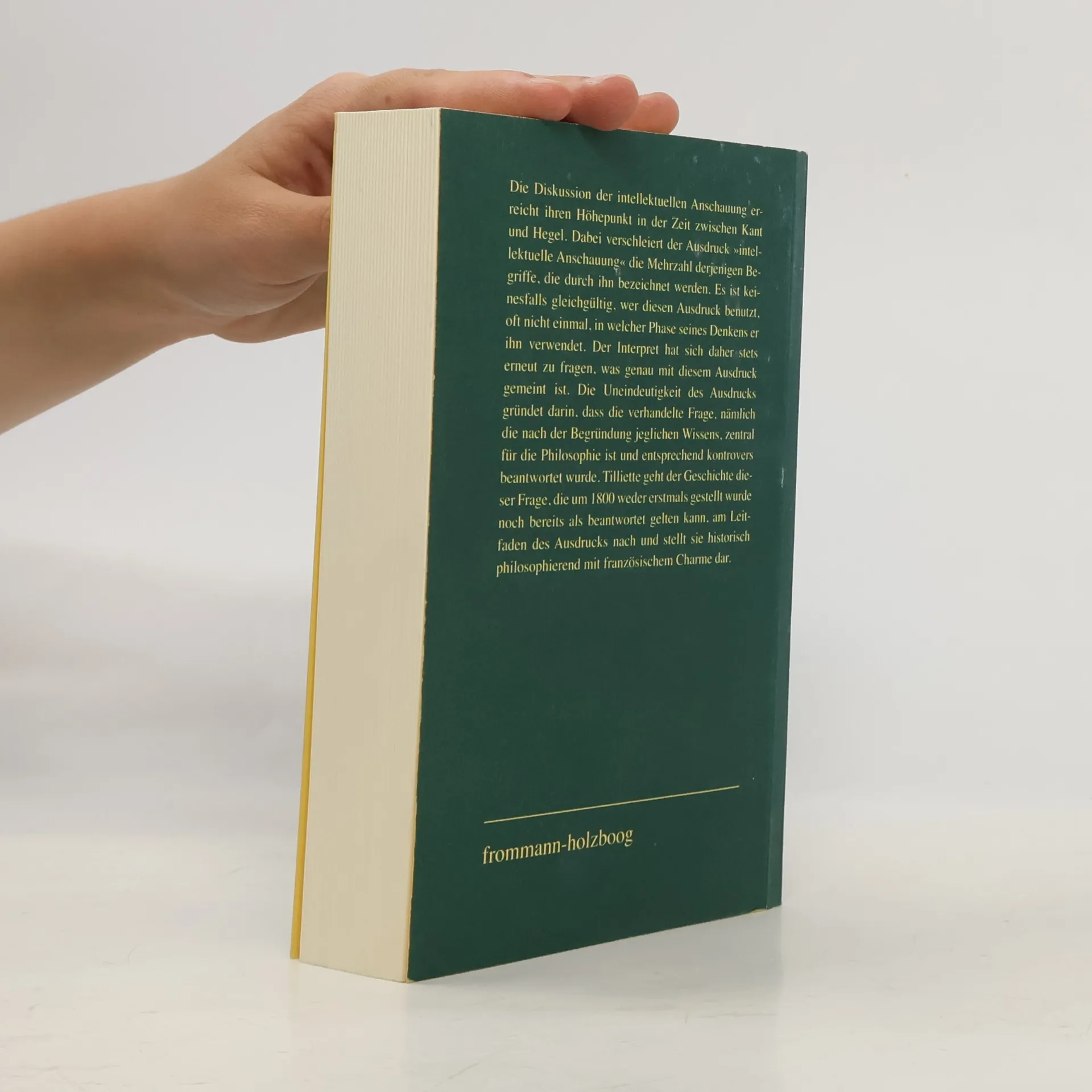
The discussion of intellectual intuition peaks between Kant and Hegel, yet the term conceals the various concepts it represents. The significance of who uses this term, and at what stage of their thinking, is crucial. Interpreters must continually reassess what is meant by it. This ambiguity arises because the foundational question of knowledge is central to philosophy and has sparked diverse and controversial answers. Tilliette explores the history of this question, which was neither first posed nor definitively answered around 1800. He uses the concept of expression as a guide, presenting the discussion with a historically philosophical lens and a touch of French charm.
Achat du livre
Schellingiana - 26: Untersuchungen über die intellektuelle Anschauung von Kant bis Hegel, Xavier Tilliette, Lisa Egloff, Wilhelm G. Jacobs, Volker Gerhardt
- Langue

- Année de publication
- 2015
- Reliure
- (souple)
Modes de paiement
Personne n'a encore évalué .
- Titre
- Schellingiana - 26: Untersuchungen über die intellektuelle Anschauung von Kant bis Hegel
- Langue
- Allemand
- Éditeur
- Frommann-Holzboog
- Publié
- 2015
- Format
- souple
- Pages
- 473
- ISBN10
- 3772826229
- ISBN13
- 9783772826221
- Séries
- Catégories
- Mots clés
- Thématique philosophique, Allemagne, France, Fantômes et apparitions, Histoire de la philosophie, Théorie de la connaissance, Idéalisme, Philosophie allemande
- Description
- The discussion of intellectual intuition peaks between Kant and Hegel, yet the term conceals the various concepts it represents. The significance of who uses this term, and at what stage of their thinking, is crucial. Interpreters must continually reassess what is meant by it. This ambiguity arises because the foundational question of knowledge is central to philosophy and has sparked diverse and controversial answers. Tilliette explores the history of this question, which was neither first posed nor definitively answered around 1800. He uses the concept of expression as a guide, presenting the discussion with a historically philosophical lens and a touch of French charm.