

En savoir plus sur le livre
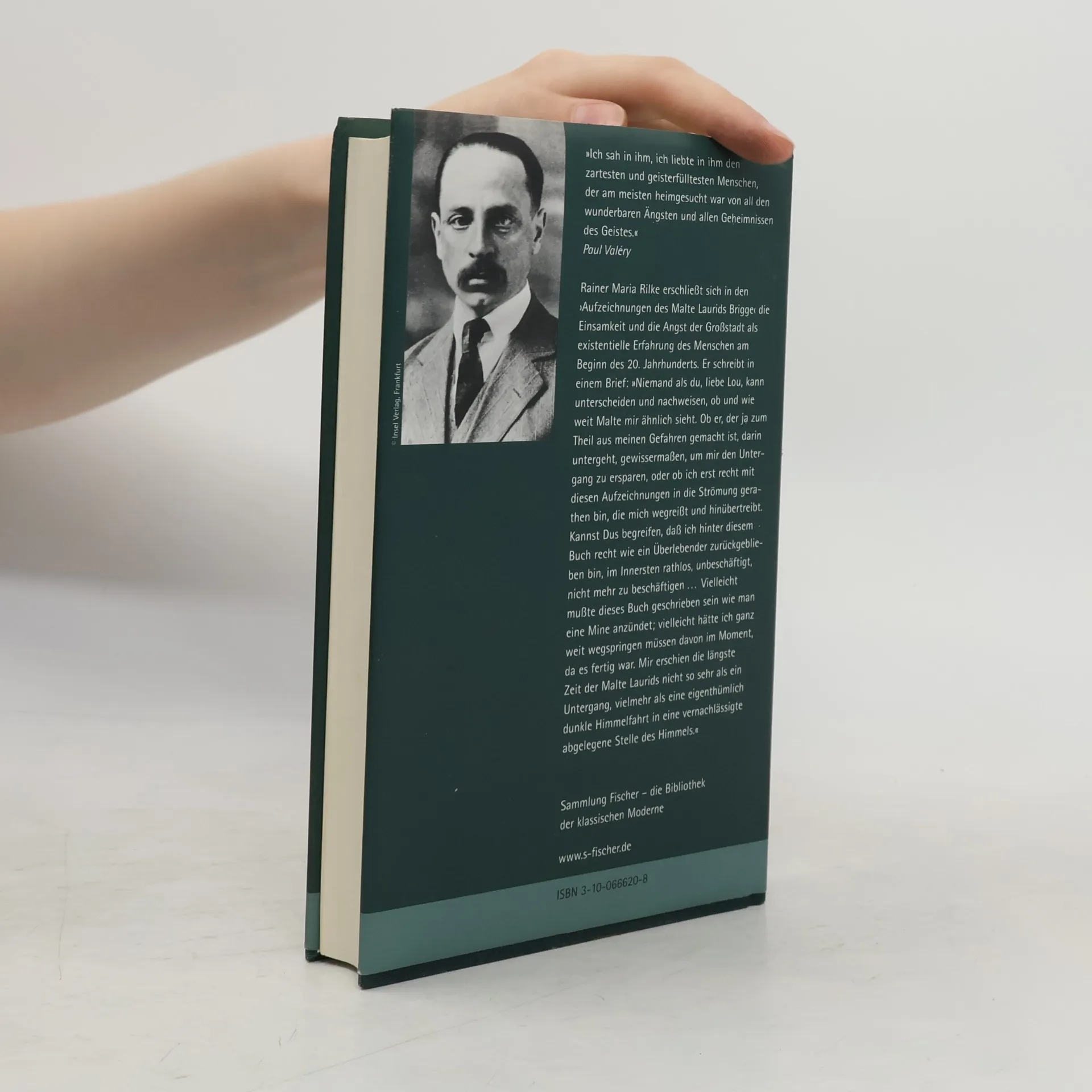
<em>The Notebooks of Malte Laurids Brigge</em> is Rilke’s major prose work and was one of the earliest publications to introduce him to American readers. The very wide audience which Rilke’s work commands today will welcome the reissue in paperback of this extremely perceptive translation of the <em>Notebooks</em> by M. D. Herter Norton. A masterly translation of one of the first great modernist novels by one of the German language's greatest poets, in which a young man named Malte Laurids Brigge lives in a cheap room in Paris while his belongings rot in storage. Every person he sees seems to carry their death within them and with little but a library card to distinguish him from the city's untouchables, he thinks of the deaths, and ghosts, of his aristocratic family, of which he is the sole living descendant. Suffused with passages of lyrical brilliance, Rilke's semi-autobiographical novel is a moving and powerful coming-of-age story.
Achat du livre
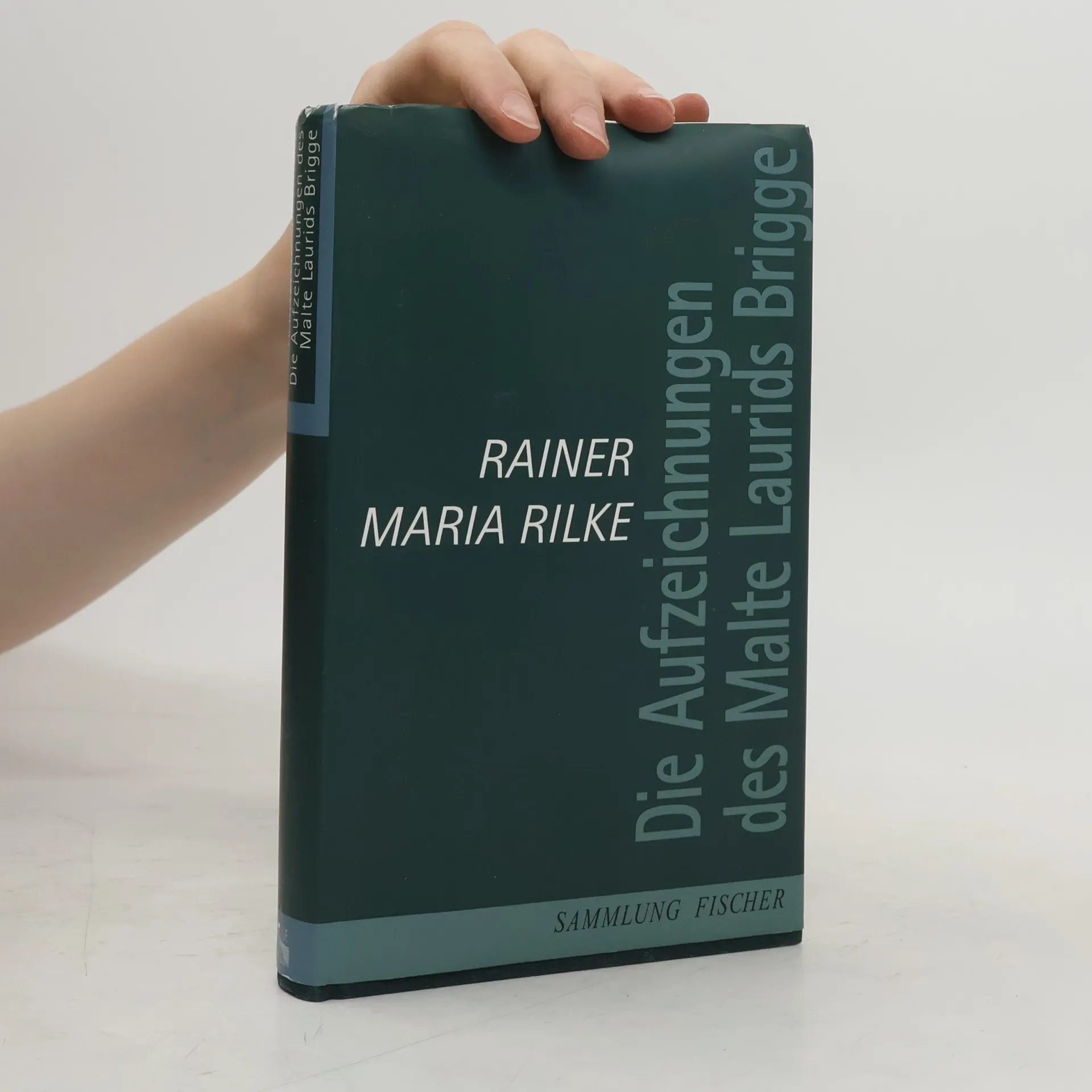
Sammlung Fischer: Die Aufzeichnungen des Malte Laurids Brigge, Rainer Maria Rilke
- Langue

- Année de publication
- 2000
- product-detail.submit-box.info.binding
- (rigide),
- État du livre
- Bon
- Prix
- 7,49 €
Modes de paiement
Personne n'a encore évalué .
- Titre
- Sammlung Fischer: Die Aufzeichnungen des Malte Laurids Brigge
- Langue
- Allemand
- Auteurs
- Rainer Maria Rilke
- Éditeur
- Fischer (S.), Frankfurt
- Publié
- 2000
- Format
- rigide
- Pages
- 255
- ISBN10
- 3100666208
- ISBN13
- 9783100666208
- Séries
- Mots clés
- Fiction, Poésie, Philosophie, Littérature allemande, Classiques, France, 20e siècle, Autriche, Modernisme
- Description
- <em>The Notebooks of Malte Laurids Brigge</em> is Rilke’s major prose work and was one of the earliest publications to introduce him to American readers. The very wide audience which Rilke’s work commands today will welcome the reissue in paperback of this extremely perceptive translation of the <em>Notebooks</em> by M. D. Herter Norton. A masterly translation of one of the first great modernist novels by one of the German language's greatest poets, in which a young man named Malte Laurids Brigge lives in a cheap room in Paris while his belongings rot in storage. Every person he sees seems to carry their death within them and with little but a library card to distinguish him from the city's untouchables, he thinks of the deaths, and ghosts, of his aristocratic family, of which he is the sole living descendant. Suffused with passages of lyrical brilliance, Rilke's semi-autobiographical novel is a moving and powerful coming-of-age story.