Droits de l'Homme et Crimes contre l'HumanitéSéries
Cette série explore les chapitres sombres de l'histoire moderne, examinant les violations catastrophiques des droits de l'homme et les crimes contre l'humanité qui ont laissé des cicatrices indélébiles. Elle aborde un large éventail d'atrocités, des génocides et nettoyages ethniques à l'esclavage et à la torture, couvrant l'histoire et la géographie mondiales. La collection analyse de manière critique l'évolution des normes de protection des droits de l'homme et les questions cruciales de la mémoire et de la réparation, dans le but d'informer et de stimuler le débat public et universitaire. Son objectif ultime est de favoriser une meilleure compréhension afin de prévenir de futures atrocités et de promouvoir les droits de l'homme universels.
Introducing evidence from more than 600 secret Ottoman documents, this book
demonstrates in unprecedented detail that the Armenian Genocide and the
expulsion of Greeks from the late Ottoman Empire resulted from an official
effort to rid the empire of its Christian subjects. číst celé
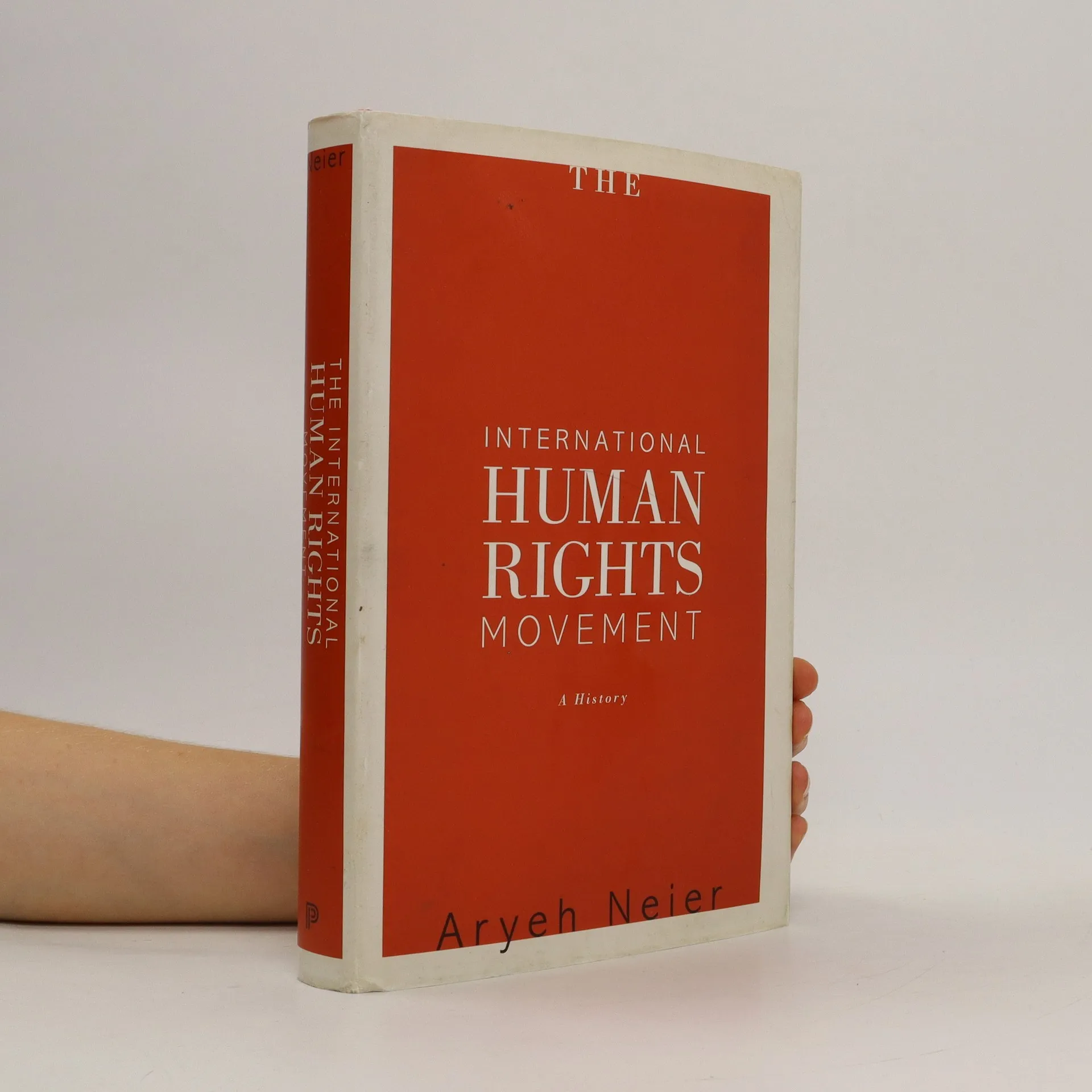
The international human rights movement has had a crucial hand in the struggle against totalitarian regimes, cruelties in wars, and crimes against humanity. This book offers a comprehensive account of this global force, from its beginnings in the seventeenth and eighteenth centuries to its essential place in world affairs today.
A collection of personal letters to friends from a foreign correspondent who is trying to understand what she witnessed during the iconic human disasters of our time - in Iraq, Lebanon, Afghanistan, and New York City on September 11th, among the other places.
Between the early 1930s and his death in 1953, Joseph Stalin had more than a
million of his own citizens executed. Millions more fell victim to forced
labor, deportation, famine, bloody massacres, and detention and interrogation
by Stalin's henchmen. This book tells the story of these crimes.
A global history of human rights in a world of nations that grant rights to some while denying them to others Once dominated by vast empires, the world is now divided into some 200 independent countries that proclaim human rights—a transformation that suggests that nations and human rights inevitably develop together. But the reality is far more problematic, as Eric Weitz shows in this compelling global history of the fate of human rights in a world of nation-states. Through vivid histories from virtually every continent, A World Divided describes how, since the eighteenth century, nationalists have established states that grant human rights to some people while excluding others, setting the stage for many of today’s problems, from the refugee crisis to right-wing nationalism. Only the advance of international human rights will move us beyond a world divided between those who have rights and those who don't.
A history of the successes of the human rights movement and a case for why human rights workEvidence for Hope makes the case that yes, human rights work. Critics may counter that the movement is in serious jeopardy or even a questionable byproduct of Western imperialism. Guantánamo is still open and governments are cracking down on NGOs everywhere. But human rights expert Kathryn Sikkink draws on decades of research and fieldwork to provide a rigorous rebuttal to doubts about human rights laws and institutions. Past and current trends indicate that in the long term, human rights movements have been vastly effective. Exploring the strategies that have led to real humanitarian gains since the middle of the twentieth century, Evidence for Hope looks at how essential advances can be sustained for decades to come.
During the spring of 1933, Stalin's police rounded up nearly one hundred
thousand people as part of the Soviet regime's cleansing of Moscow and
Leningrad and deported them to Siberia. This work weaves this episode into a
broader story about the Soviet frenzy in the 1930s to purge society of all
those deemed to be unfit.