

Bookbot

Noam Chomsky

    7 décembre 1928

    Avram Noam Chomsky est une figure centrale en linguistique et en philosophie, crédité pour avoir révolutionné le domaine grâce à sa théorie de la gramatique générative. Son travail a également suscité la révolution cognitive en psychologie et a profondément influencé la philosophie du langage et de l'esprit par son approche naturaliste. Au-delà de ses contributions académiques, Chomsky est largement reconnu pour son activisme politique et ses critiques incisives des politiques étrangères des gouvernements, s'établissant comme l'un des universitaires les plus cités.

    Noam Chomsky
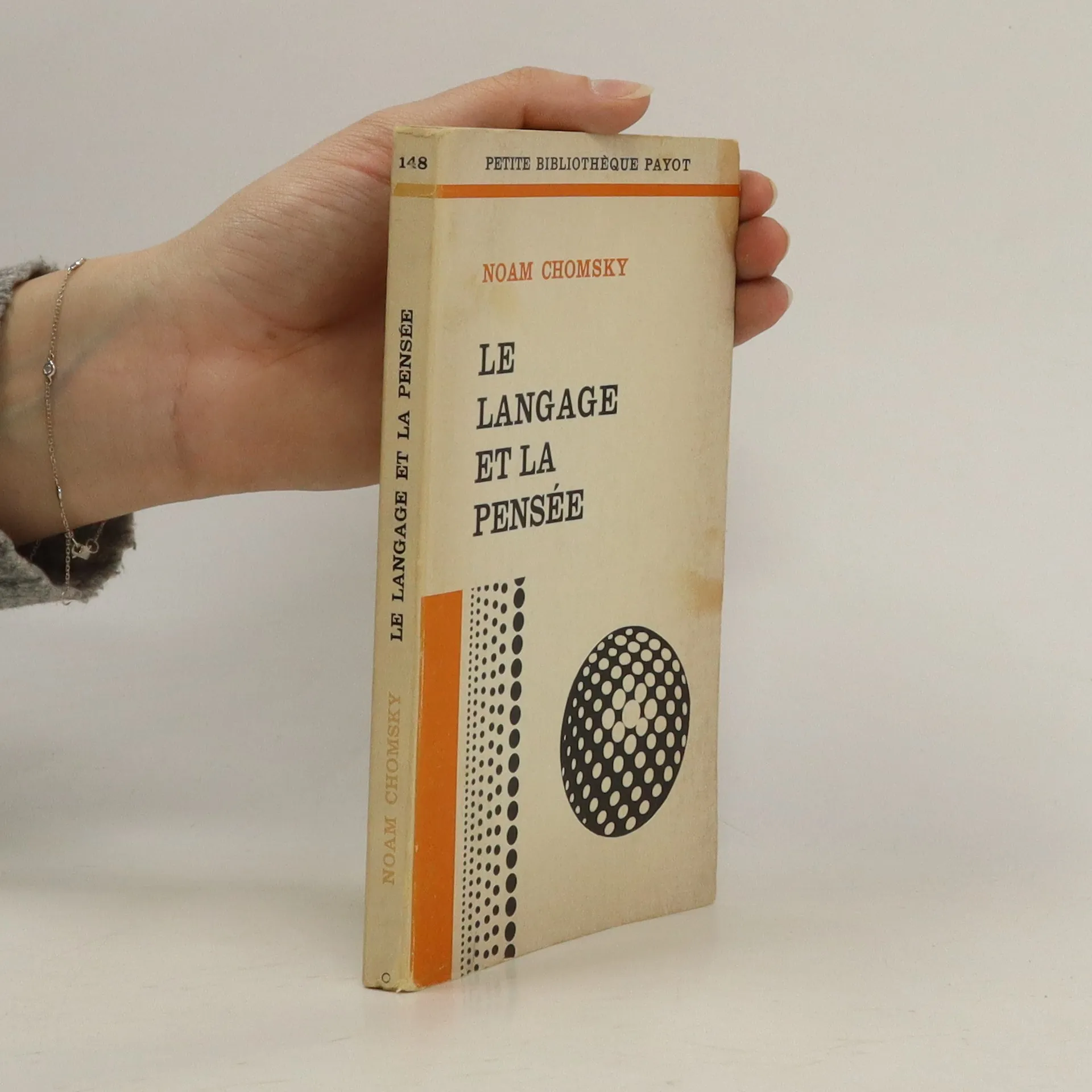
    Le langage et la pensée
    Occupy
    11/9
    Sur la nature humaine
    Un monde complètement surréel
    10/18: Dominer le monde ou sauver la planète?
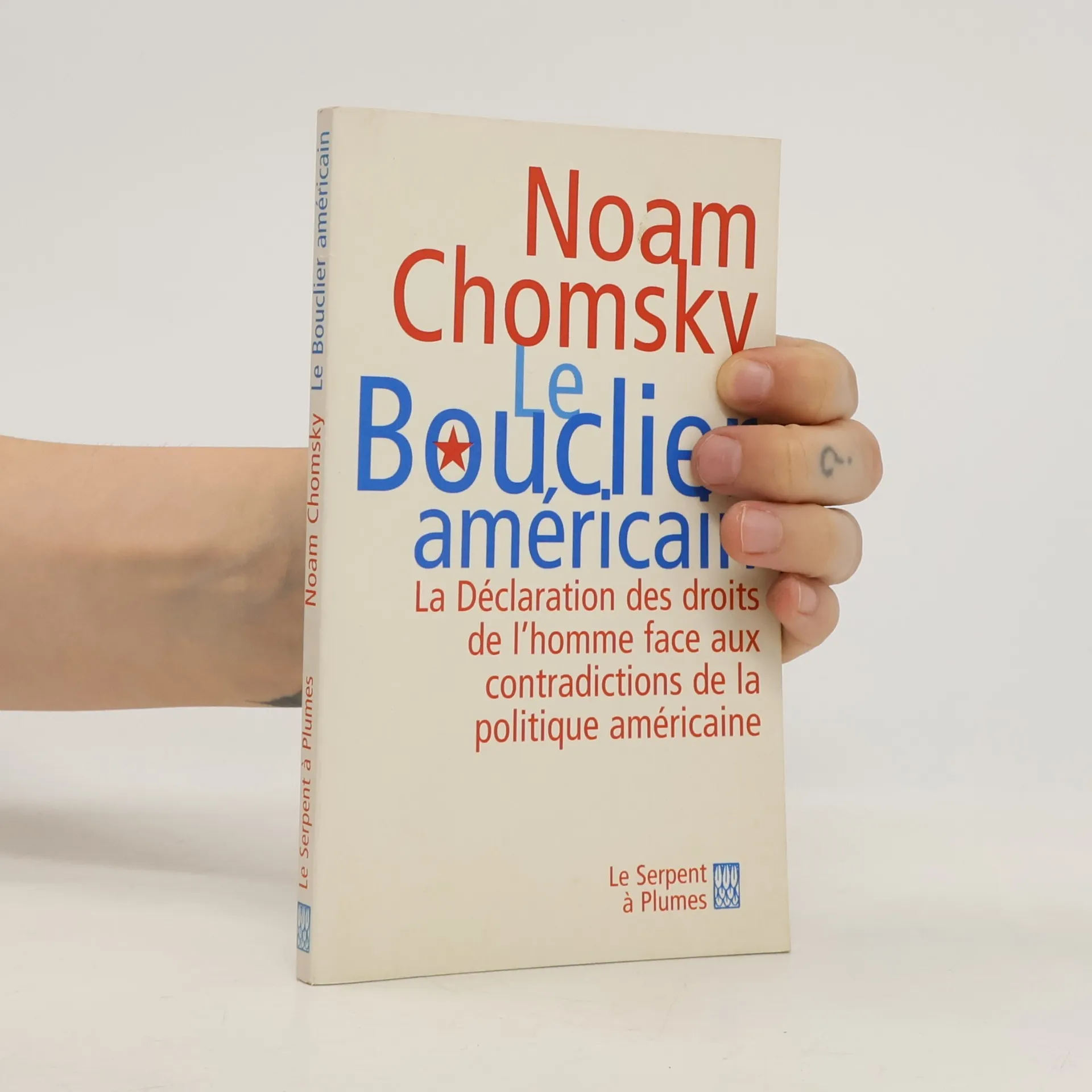
    • Une analyse critique de la politique étrangère américaine, de ses ruptures comme de ses continuités historiques. <br /> <br /> La politique actuelle de l'administration Bush sur la scène mondiale constitue-t-elle une rupture avec la position traditionnelle des États-Unis ? Pour Noam Chomsky – qui signe là son premier grand essai depuis une quinzaine d'années –, la Stratégie de sécurité nationale adoptée en 2002 a eu de nombreux précédents dans la pratique des administrations passées, tant républicaines que démocrates. Ce qui est vraiment nouveau, c'est que cette attitude n'est plus déniée mais revendiquée ouvertement. Avec autant d'indignation que d'humour, Chomsky analyse le discours du projet américain, dont il souligne très efficacement l'illogisme et l'injustice. Hégémonie ou survie : tel est, selon Chomsky, le choix historique aujourd'hui, et nul ne sait quelle orientation va l'emporter. Traduit de l'anglais (Etats-Unis) par Paul Chemla
      10/18: Dominer le monde ou sauver la planète?
      4,0
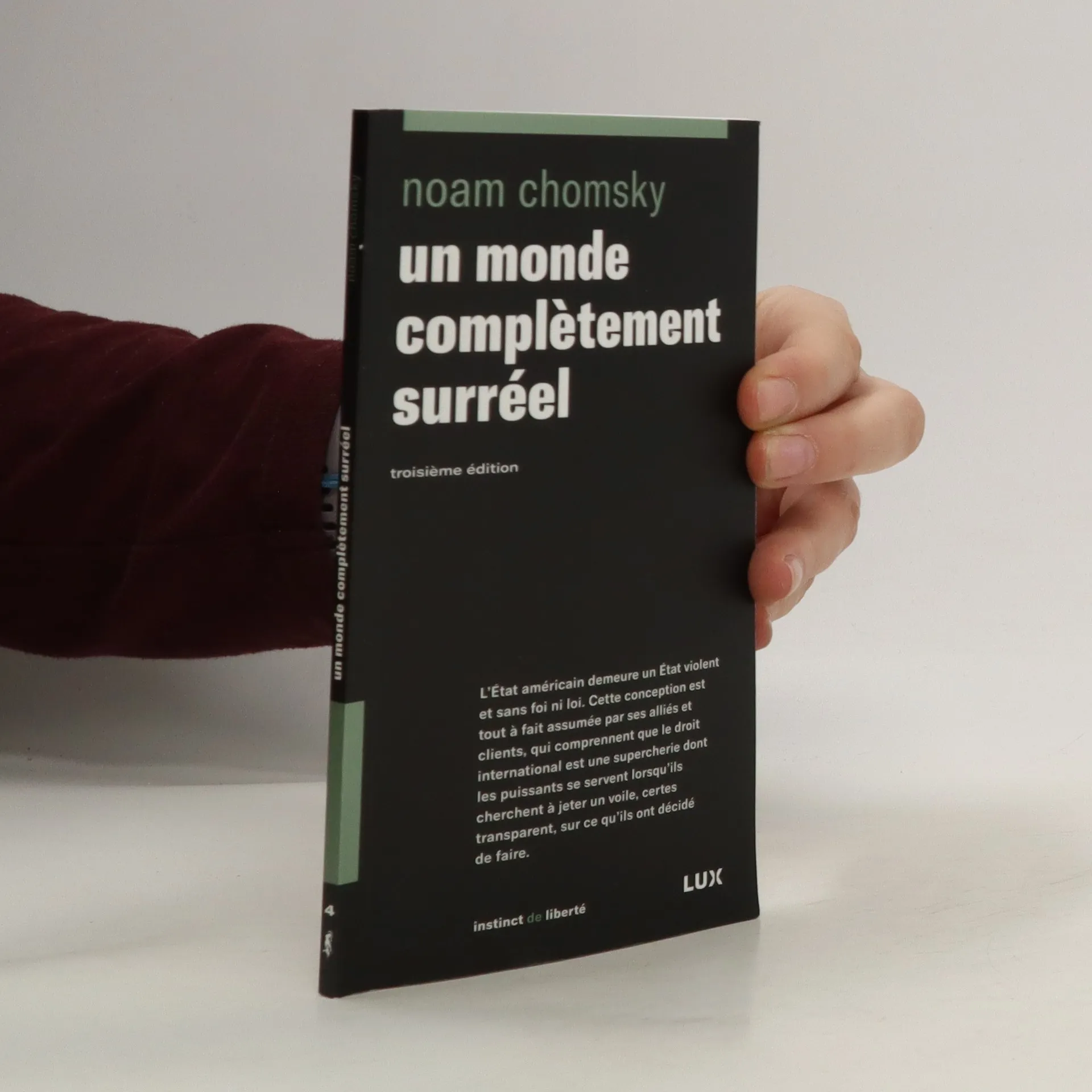
    • Un monde complètement surréel

      • 70pages
      • 3 heures de lecture

      « Le contrôle idéologique est beaucoup plus important dans les démocraties que dans les États où la domination se fonde sur la violence, et il y est par conséquent plus raffiné et plus efficace.Pour ceux qui recherchent obstinément la liberté, il ne peut y avoir de tâche plus urgente que d’arriver à comprendre les mécanismes et les méthodes de l’endoctrinement. Ce sont des choses faciles à saisir dans les sociétés totalitaires, mais elles le sont beaucoup moins dans le système de "lavage de cerveau sous régime de liberté" auquel nous sommes soumis et que nous servons trop souvent en tant qu’instruments consentants ou inconscients. »
      Un monde complètement surréel
      4,3
    • Ce livre est basé sur le fameux débat qui opposa en 1971 Noam Chomsky et Michel Foucault sur la question de la " nature humaine ". La conversation entre le linguiste et le philosophe y est intégralement reproduite. On y découvre un abîme entre les conceptions des deux hommes, pourtant tous deux qualifiés d' "anarchistes ". Dès le début de l'entretien, Foucault flirte, de son propre aveu, avec Nietzsche. Il y définit le concept de justice comme instrument de pouvoir, alors que Chomsky affirme que la justice a une vraie assise, absolue, qui trouve sa source dans les qualités humaines fondamentales. S'ensuit le fil rouge du débat : la nature humaine a-t-elle une base essentiellement innée ou s'acquiert-elle entièrement socialement ? Ce débat met en évidence les concepts clefs de toute conception générale du monde et permet de contrer les faiblesses de notre temps. L'entretien entre Chomsky et Foucault est prolongé par deux textes de Chomsky sur les liens entre langage, pensé et nature. Ils contribuent à éclairer l'apport théorique d'un des penseurs majeurs de notre temps.

      Sur la nature humaine
      3,7
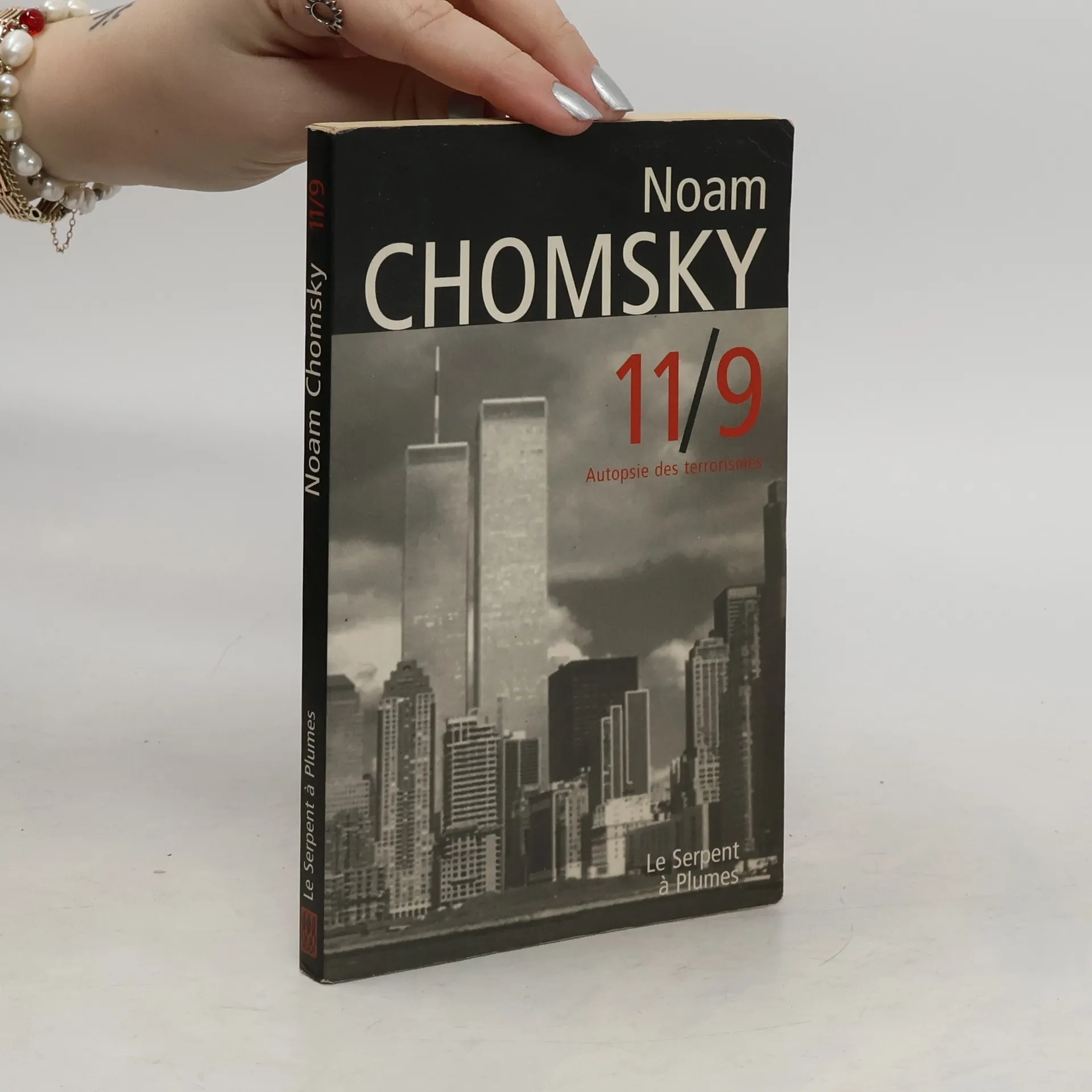
    • 11/9

      Autopsie des terrorismes

      • 160pages
      • 6 heures de lecture

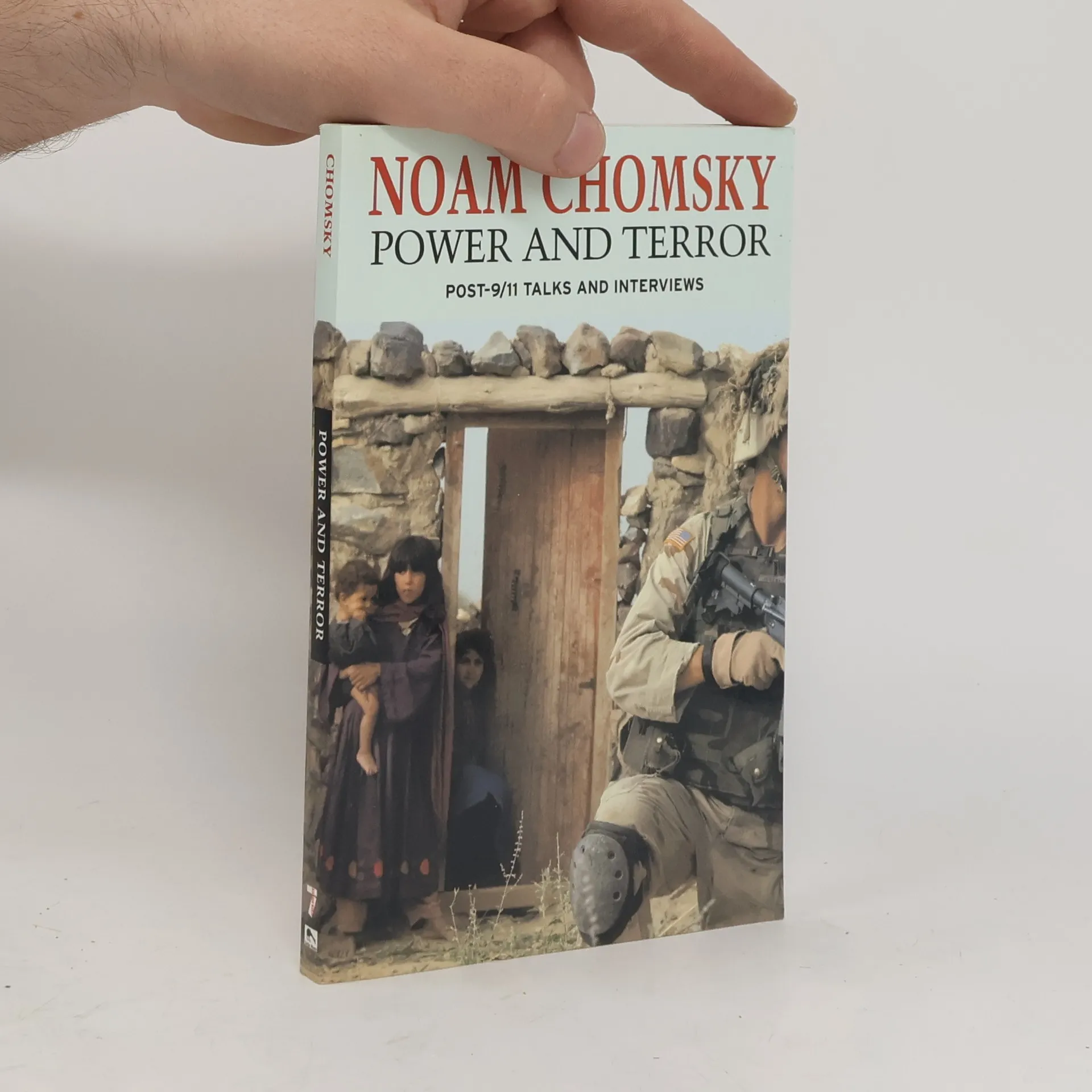
      Este livro reproduz uma série de entrevistas feitas com Noam Chomsky por diversos jornalistas no período que se seguiu aos atentados de 11 de setembro de 2001 ao World Trade Center e ao Pentágono.

      11/9
      3,8
    • Occupy

      • 114pages
      • 4 heures de lecture

      Dans Occupy, Chomsky souligne que l'un des plus grands succès du mouvement est de mettre les inégalités de la vie quotidienne à l'ordre du jour, influençant la presse, sensibilisant le public et le discours lui-même. L'énergie d'Occupy provient de l'indignation que ressentent tous les gens ignorés confrontés à une injustice sans cesse accrue. Voir des milliards de dollars d'impôts utilisés pour le maintien des banques, alors que ces mêmes banques chassent hors de chez eux les populations, provoque la colère de millions de personnes. Voir des milliards de dollars recueillis pour payer les guerres dévastatrices en Irak et en Afghanistan tandis que les politiciens font des coupes claires dans les services sociaux est tout aussi épouvantable. La contrainte économique est la face visible du problème, la crise politique de la démocratie représentative la sous-tend.Chomsky aborde ces questions à travers un plaidoyer du contrôle par le travailleur, et la discussion sur l'importance de redéfinir des idées telles que la croissance.

      Occupy
      3,6
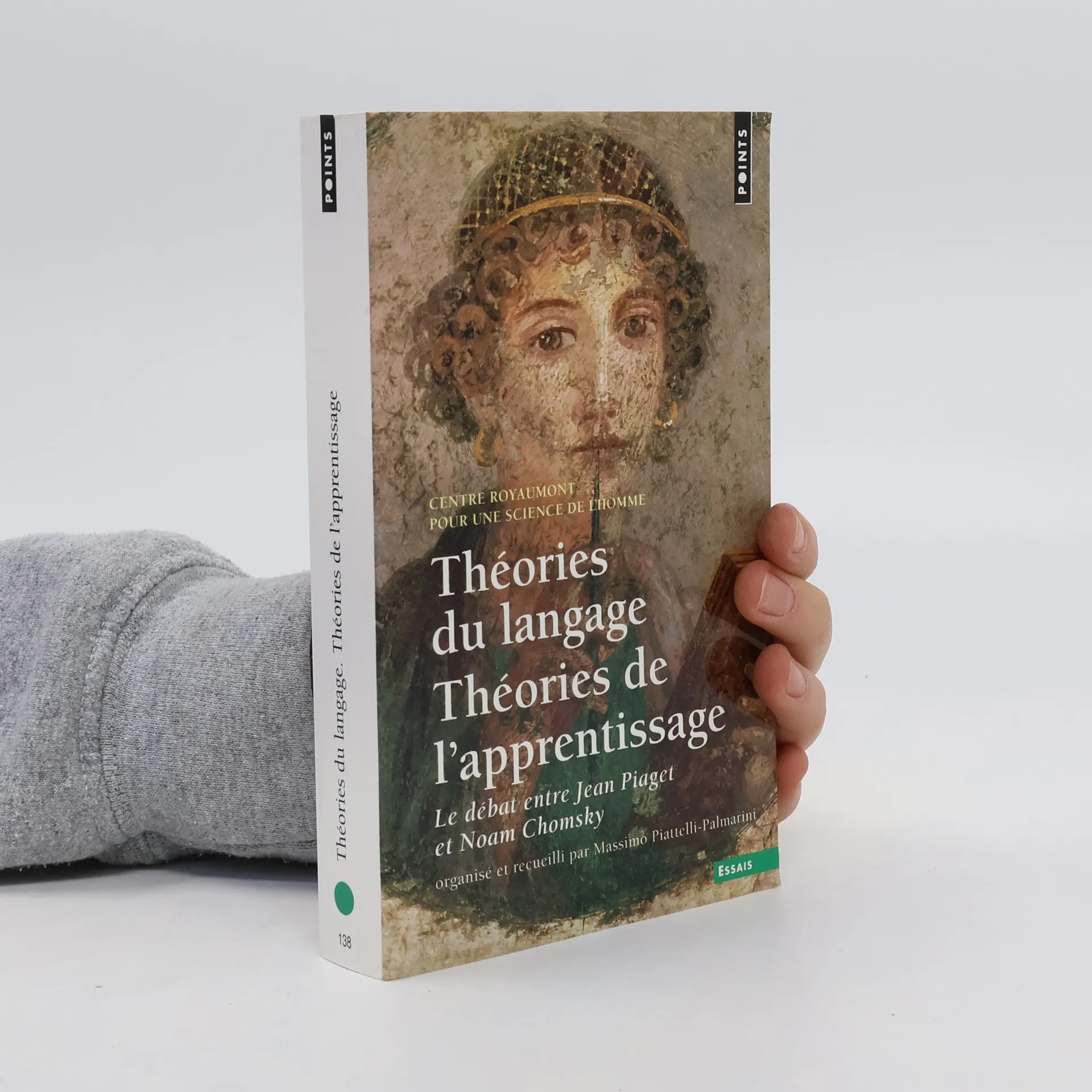
    • Du 10 au 13 octobre 1975, les participants à ce débat se réunirent à l'abbaye de Royaumont, autour de Jean Piaget et de Noam Chomsky. Ce livre est issu de la seule rencontre personnelle qui ait jamais eu lieu entre le fondateur de l'épistémologie génétique et celui de la linguistique générative, c'est-à-dire de deux systèmes conceptuels, voire deux « philosophies », qui ne cessent d'inspirer depuis leur première formulation d'innombrables travaux scientifiques un peu partout dans le monde.Des chercheurs de tous pays attachés ont pris une part active à ce débat, élargissant son horizon et permettant d'en dégager une synthèse qui n'a pas, à ce jour, d'équivalent.

      Théories du langage, théories de l'apprentissage
    • The Myth of American Idealism

      How U.S. Foreign Policy Endangers the World

      • 416pages
      • 15 heures de lecture

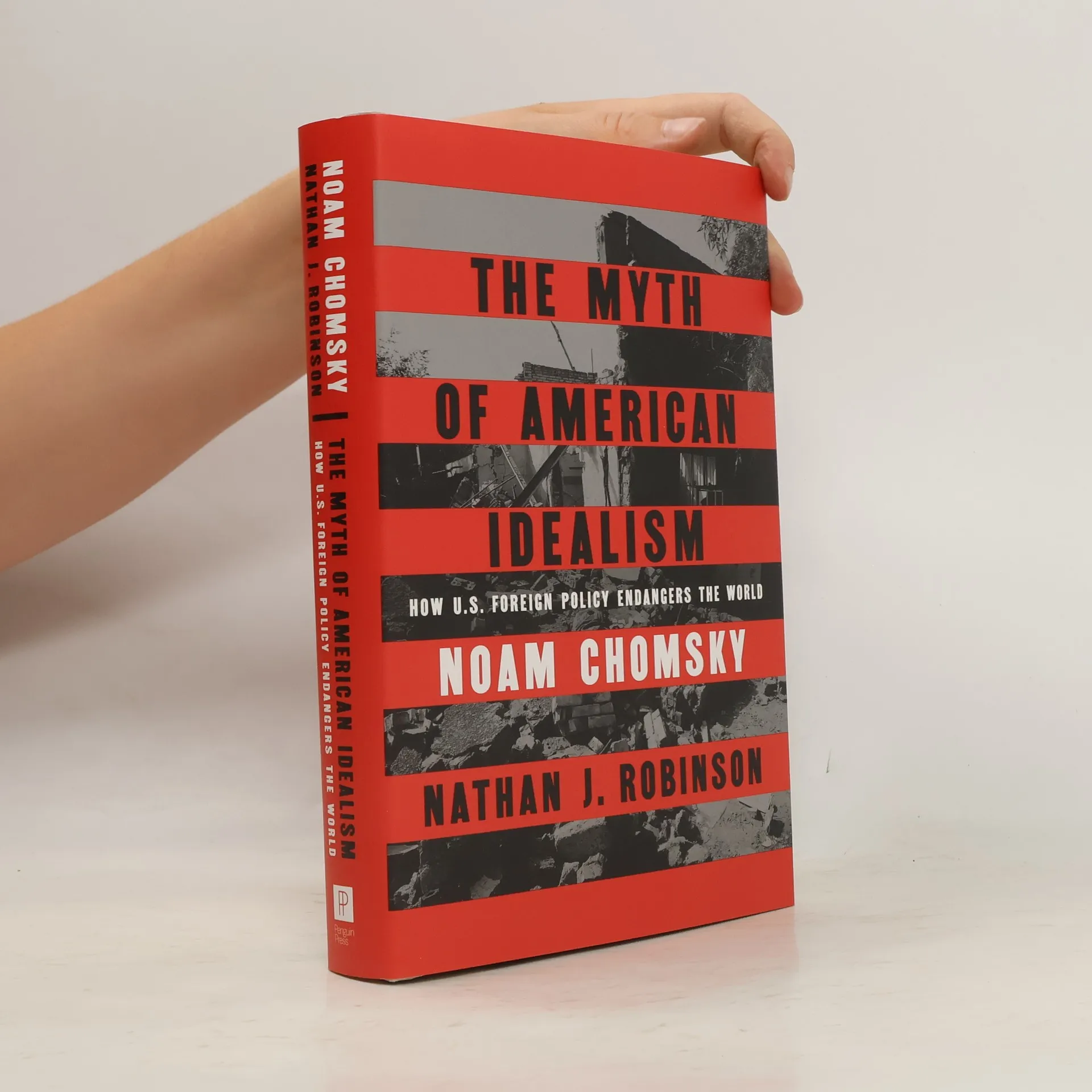
      Critiquing U.S. military and economic actions globally, Chomsky and Robinson argue that the American pursuit of dominance has caused widespread chaos without enhancing national safety. They reveal how U.S. elites perpetuate myths about democracy to justify harmful foreign policies, with a focus on conflicts like those in Iraq and Afghanistan. The authors warn that these narratives are driving the U.S. toward dangerous confrontations with Russia and China, while also exacerbating threats like nuclear proliferation and climate change. This work serves as a critical examination of American ideals and their consequences.

      The Myth of American Idealism
      4,8
    • Understanding Power

      • 432pages
      • 16 heures de lecture

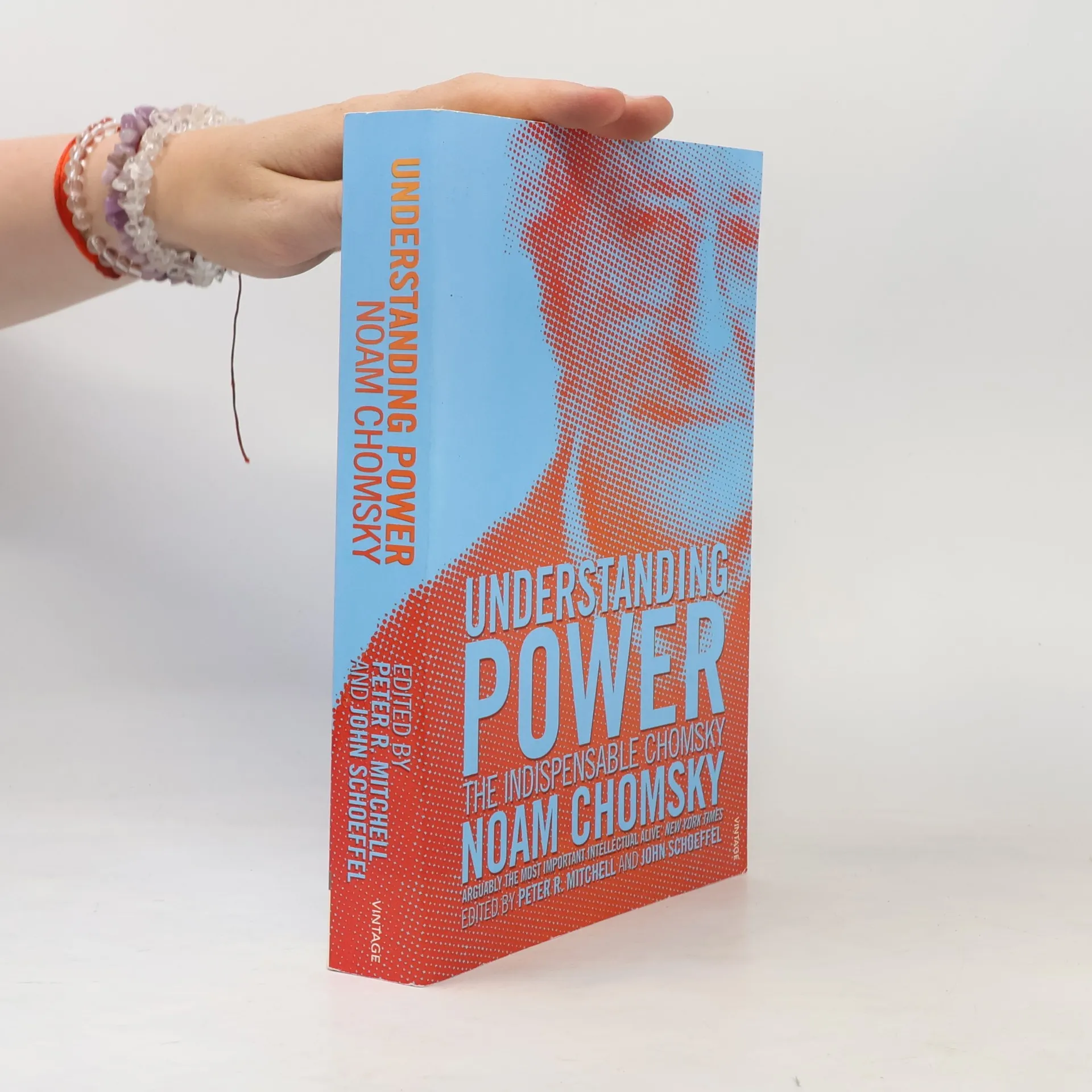
      An indispensable collection of lectures on the politic of power from the world's leading philosopher, linguist and critic, and author of the bestselling Who Rules the WorldNoam Chomsky is universally accepted as one of the pre-eminent public intellectuals of the modern era. schovat popis

      Understanding Power
      4,4
    • An essential primer on capitalism, politics and how the world works, based on the hugely popular undergraduate lecture series 'What is Politics?' Is there an alternative to capitalism? In this landmark text Chomsky and Waterstone chart a critical map for a more just and sustainable society. 'Covid-19 has revealed glaring failures and monstrous brutalities in the current capitalist system. It represents both a crisis and an opportunity. Everything depends on the actions that people take into their own hands.' How does politics shape our world, our lives and our perceptions? How much of 'common sense' is actually driven by the ruling classes' needs and interests? And how are we to challenge the capitalist structures that now threaten all life on the planet? Consequences of Capitalism exposes the deep, often unseen connections between neoliberal 'common sense' and structural power. In making these linkages, we see how the current hegemony keeps social justice movements divided and marginalized. And, most importantly, we see how we can fight to overcome these divisions.

      Consequences of Capitalism : manufacturing discontent and resistance
      4,4
    • Chomsky for Activists

      • 214pages
      • 8 heures de lecture

      Those who regard him as a "doom and gloom" critic will find an unexpected Chomsky in these pages. Here the world-renowned author speaks for the first time in depth about his career in activism, and his views and tactics. Chomsky offers new and intimate details about his life-long experience as an activist, revealing him as a critic with deep convictions and many surprising insights about movement strategies. The book points to new directions for activists today, including how the crises of the Coronavirus and the economic meltdown are exploding in the critical 2020 US presidential election year. Readers will find hope and new pathways toward a sustainable, democratic world.

      Chomsky for Activists
      4,5
    • Taming The Rascal Multitude

      • 448pages
      • 16 heures de lecture

      Taming the Rascal Multitude is a judicious selection of essays and interviews from Z Magazine from 1997 to 2014. In each, Chomsky takes up some question of the moment. The essays provide an historical overview of the history that preceded Trump and the reaction to Trump. The essays situate what followed even without having known what would follow. They explicate what preceded the current era and provide a step-by-step revelation or how-to for successfully comprehending social events and relations. They are a pleasure to read and they educate.

      Taming The Rascal Multitude
      4,3
    • Notes on Resistance

      • 200pages
      • 7 heures de lecture

      The broad range and brilliance of Chomsky's thought and analysis is on full display in this collection of interviews with his long-time collaborator/interlocuter David Barsamian.

      Notes on Resistance
      4,3
    • Chomsky Perspectives: Turning the Tide

      U.S. Intervention in Central America and the Struggle for Peace

      • 464pages
      • 17 heures de lecture

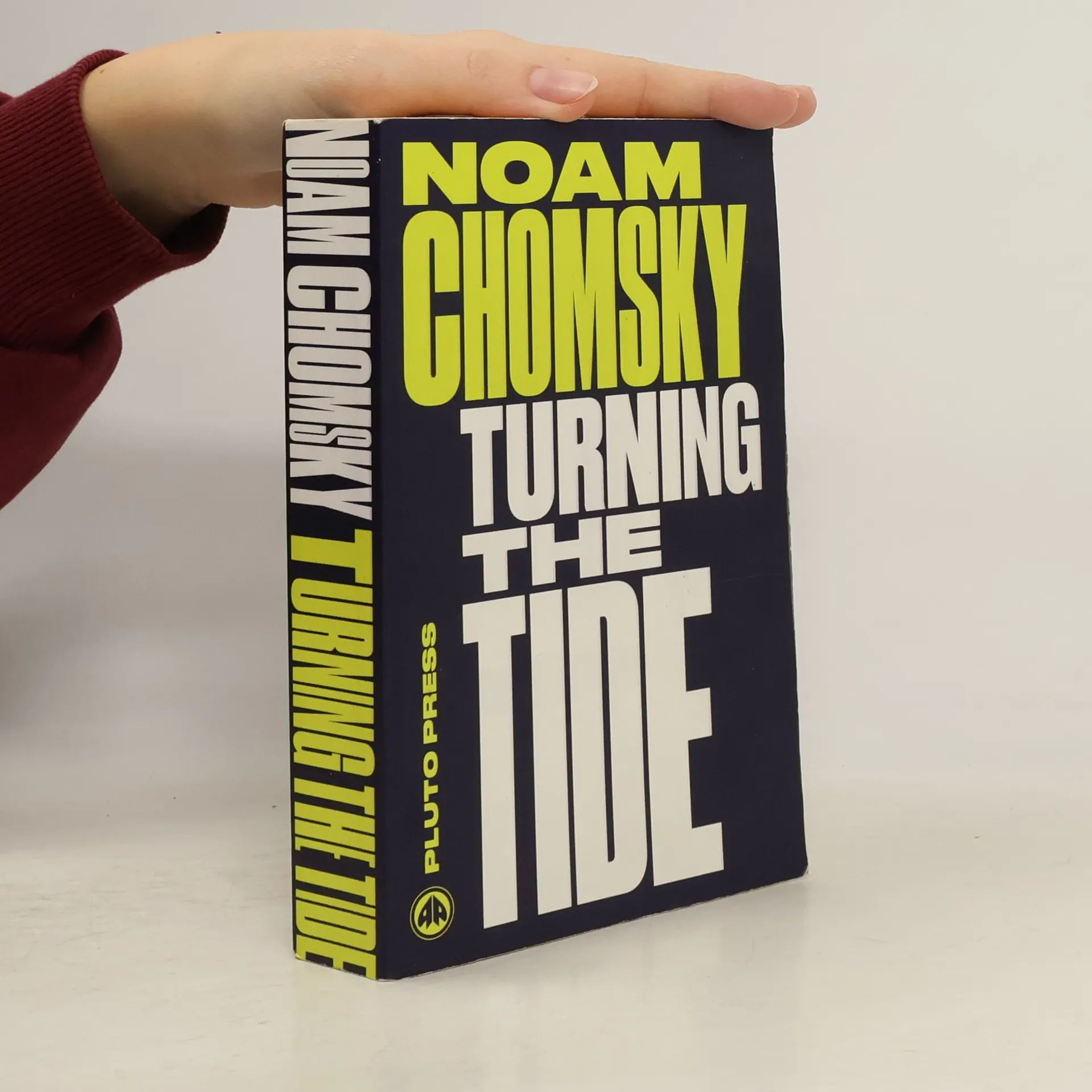
      For decades, Noam Chomsky has been considered one of the most important critics of American's foreign policy in Central and Latin America and yet Turning the Tide is one of his only written works which makes that region its sole focus. At last back in print after almost thirty years, Turning the Tide explores such neglected but vital issues as Jimmy Carter's interventions in El Salvador, the violation of human rights in Nicaragua and Guatemala, and American involvement with death squads in many countries including Bolivia and El Salvador. For all activists and scholars whose work focuses on Central and Latin America, Turning the Tide remains essential.

      Chomsky Perspectives: Turning the Tide
      4,2
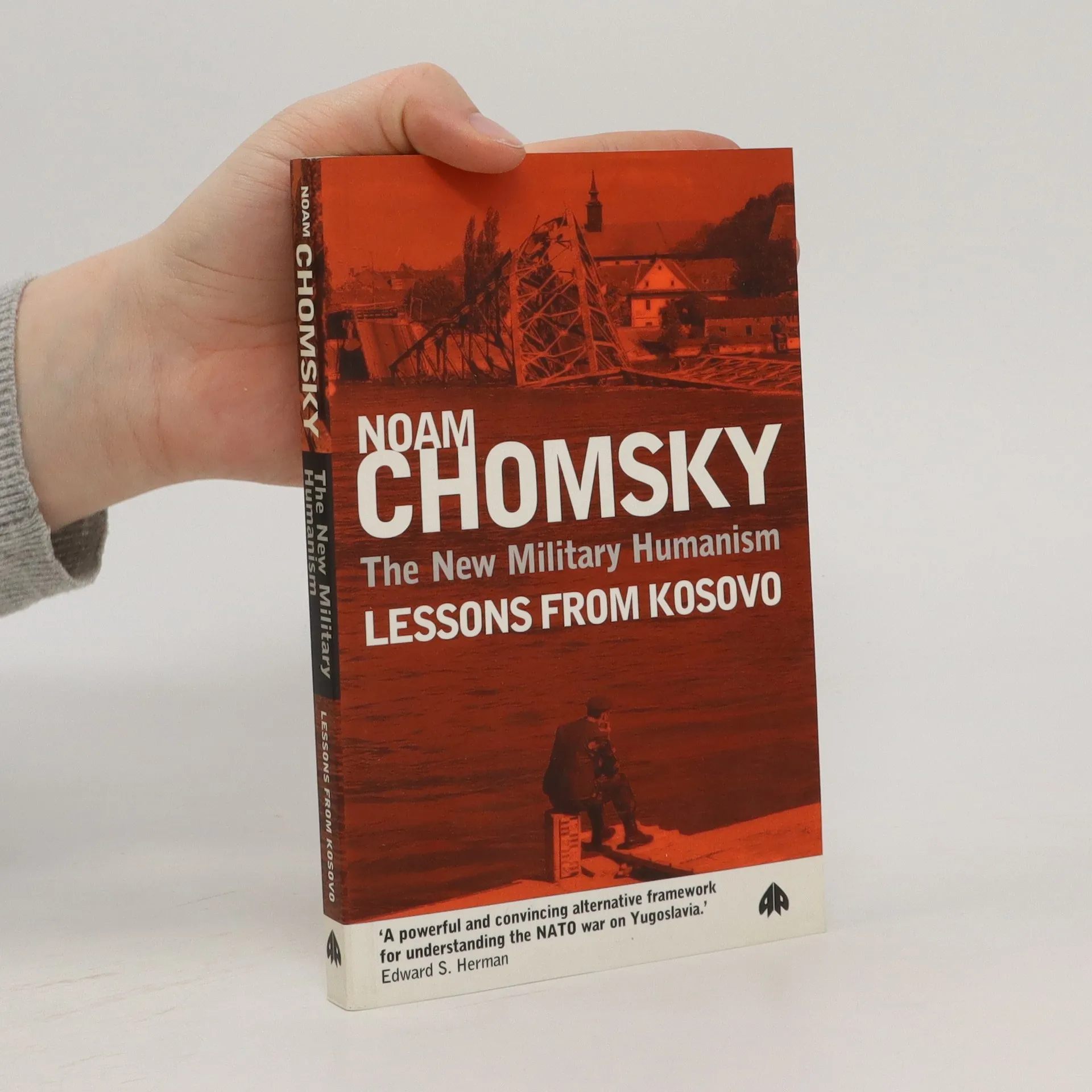
    • NATO’s war on Yugoslavia in the spring of 1999 was unleashed in the name of democracy and human rights. This view was challenged by the world’s three largest countries, India, China and Russia, who saw the bombing of Serbia and Kosovo as a naked attempt to assert US dominance in an unstable world.In the West, media networks were joined by substantial sectors of left/liberal opinion in supporting the war. Nonetheless, a wide variety of figures emerged to challenge the prevailing consensus. Their work, gathered here for the first time, forms a collection of key statements and anti-war writings from some of democracy’s most eloquent dissidents—Noam Chomsky, Harold Pinter, Edward Said and many others—who provide carefully researched examinations of the real motives for the US action, dissections and critiques of the ideology of ‘humanitarian warfare’, and chartings of the unnecessary tragedy of a region laid to waste in the pursuance of Great Power politics.This reader presents some of the most important texts on NATO’s Balkan crusade and forms a major intervention in the debate on global geo-political strategy after the Cold War.

      Masters of the Universe? NATO's Balkan Crusade
      4,0
    • The Minimalist Program

      • 420pages
      • 15 heures de lecture

      Attempts to situate linguistic theory in the broader cognitive sciences. In the essays, the minimalist approach to linguistic theory is formulated and progressively developed.

      The Minimalist Program
      4,0
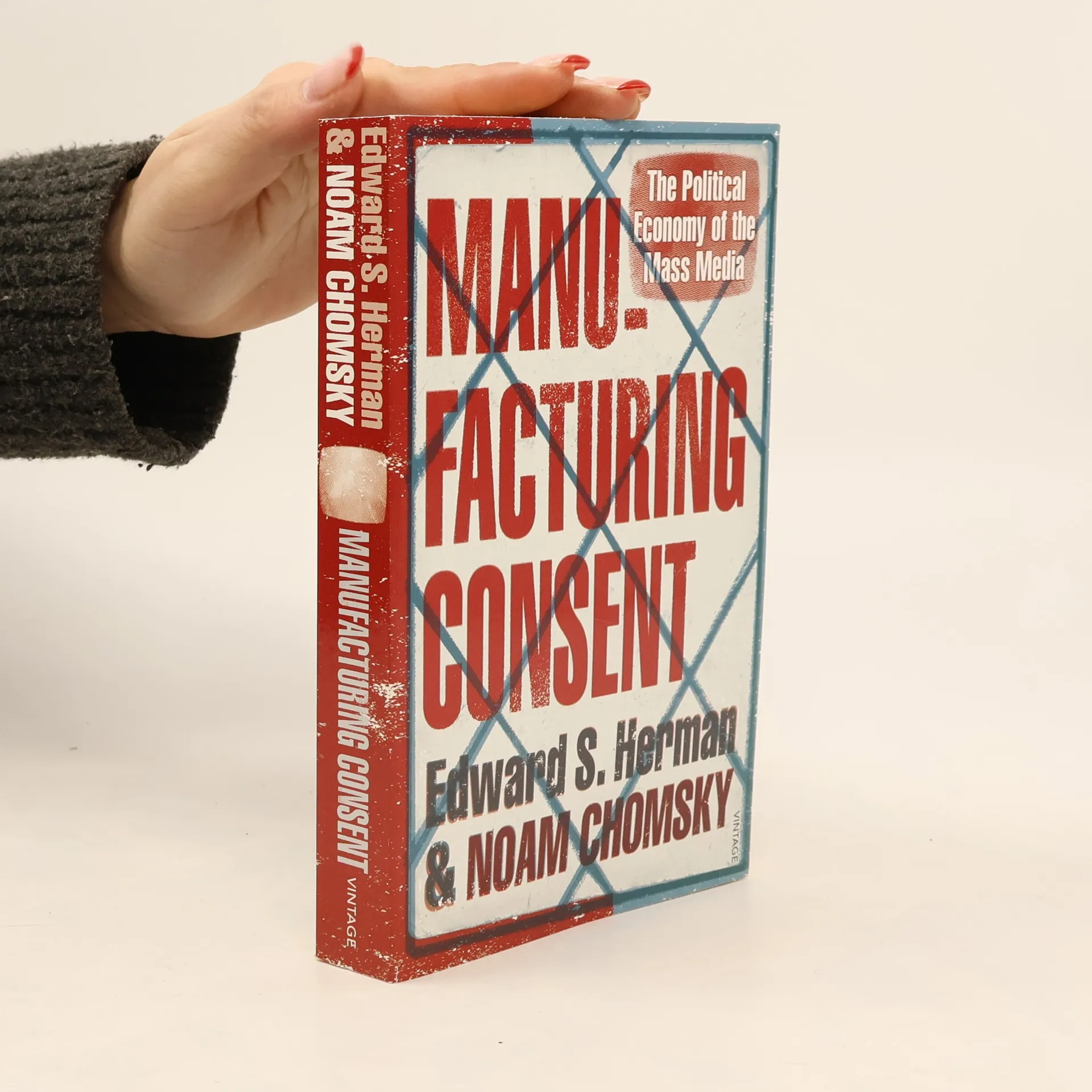
    • This work presents a compelling critique of the news media's role in obscuring errors and deceptions, rooted in the economics of publishing, by renowned scholars Edward S. Herman and Noam Chomsky. They argue that, contrary to the perception of the media as diligent seekers of truth, the actual practice often serves the interests of privileged groups that dominate society and the global order. Through various case studies, including the media's biased treatment of “worthy” versus “unworthy” victims and the portrayal of Third World elections, Herman and Chomsky develop a Propaganda Model to explain media behavior. Their updated introduction revisits the Propaganda Model and earlier case studies, examining the media's coverage of the North American Free Trade Agreement and the 1994-1995 Mexican financial crisis, as well as protests against the World Trade Organization and the regulation of the chemical industry. The analysis reveals a stark portrayal of U.S. mass media as propagandistic, highlighting their failure to fulfill their self-proclaimed role as essential information providers. This work invites readers to understand the media's function in a fundamentally new light.

      Manufacturing consent : the political economy of the mass media
      4,3
    • On Palestine

      • 224pages
      • 8 heures de lecture

      On Palestineis Noam Chomsky and Ilan Pappé's indispensable update on a suffering region. Operation Protective Edge, Israel's most recent assault on Gaza, left thousands of Palestinians dead and cleared the way for another Israeli land grab. The need to stand in solidarity with Palestinians has never been greater. Noam Chomsky and Ilan Pappé, two leading voices in the struggle to liberate Palestine, discuss the road ahead for Palestinians and how the international community can pressure Israel to end its human rights abuses against the people of Palestine. This urgent and timely book offers hope and a way forward for all those committed to the struggle to liberate Palestine. On Palestineis the sequel to Chomsky and Pappé's acclaimed book Gaza in Crisis. 'Noam Chomsky is a global phenomenom.' The New York Times Book Review 'Ilan Pappé is Israel's bravest, most principled, most incisive historian.' John Pilger

      On Palestine
      4,3
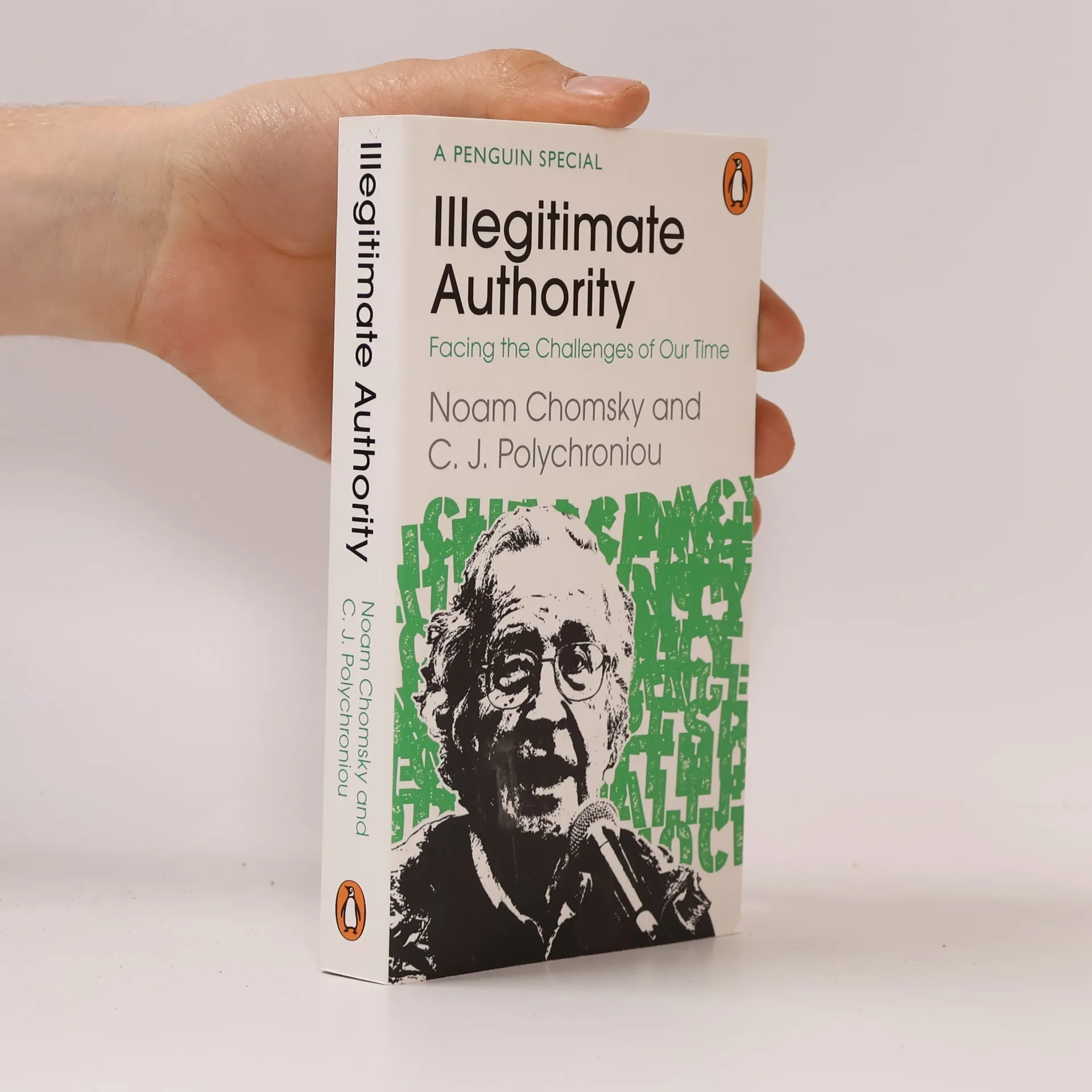
    • A Truthout Collection: Illegitimate Authority

      Facing the Challenges of Our Time

      • 350pages
      • 13 heures de lecture

      A wide-ranging and incisive collection of interviews with Noam Chomsky, addressing the urgent questions of this tumultuous moment. In these informative interviews, conducted for Truthout by C.J. Polychroniou, Noam Chomsky addresses the rapid deterioration of democracy in the United States and rising tensions globally. He examines the crumbling social fabric and fractures of the Biden era, including the halting steps toward a Green New Deal; the illegitimate authority of the Supreme Court, in particular its decision to overturn Roe vs. Wade; and the ongoing fallout from COVID-19. Chomsky also untangles the roots of the War in Ukraine, the diplomatic tensions among the United States, China, and Russia, and considers the need for climate action on an international scale. Throughout, Chomsky "remains...a beacon of hope in the darkest of times" (Sarah Jaffe).

      A Truthout Collection: Illegitimate Authority
      4,1
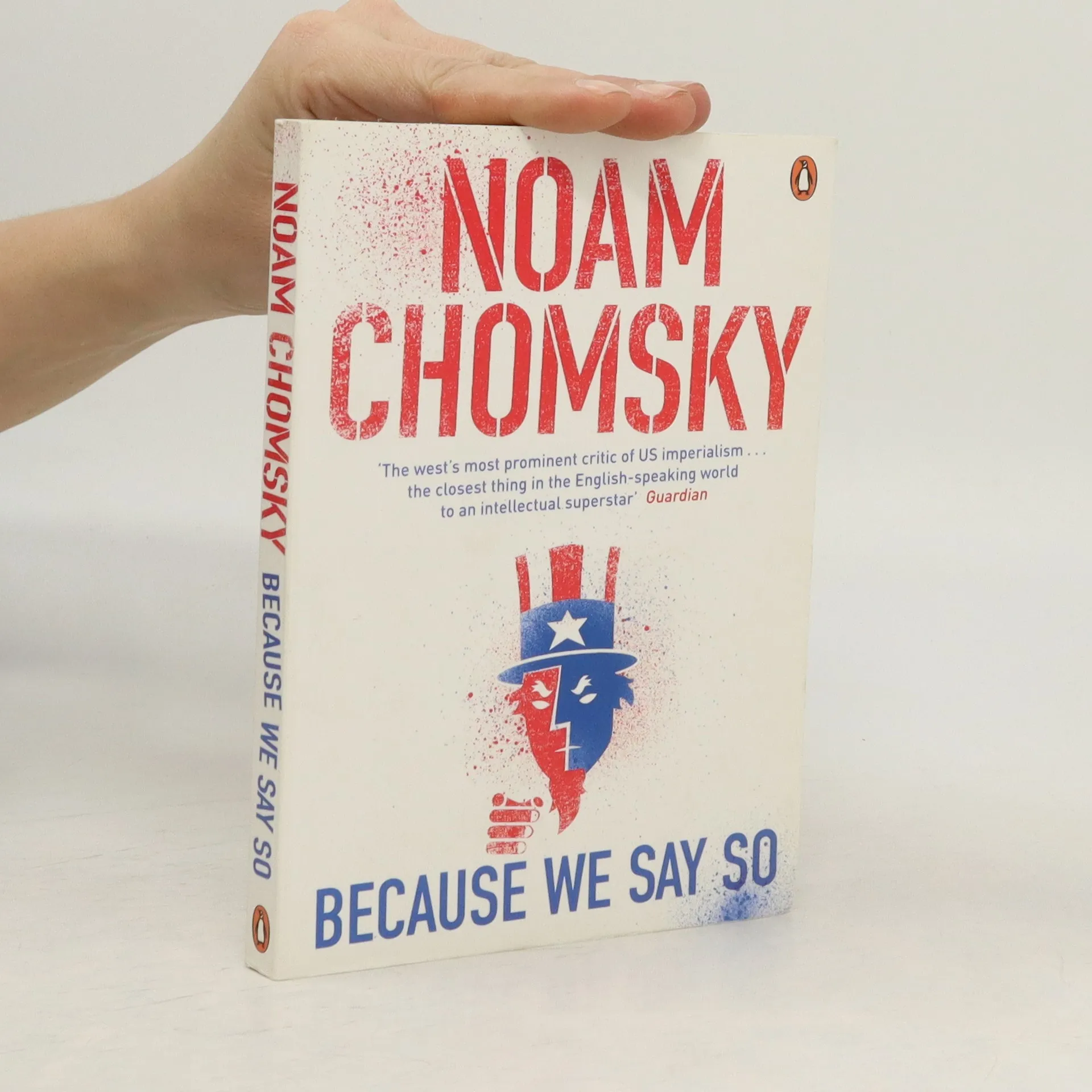
    • Because We Say So

      • 208pages
      • 8 heures de lecture

      For over fifty years, one fact has dominated global politics- the United States can respond to any challenge to its power however it sees fit. Whatever the world may think, US actions are legitimate simply because they say so. With charateristic clarity and authority, Chomsky takes American imperialism head-on. From Edward Snowden and Palestinian-Israeli relations to political philosophy and how we structure democracy, Because We Say So offers a cross-section of perspectives on the question of America's ongoing hegemony.

      Because We Say So
      4,2
    • Global Discontents

      • 240pages
      • 9 heures de lecture

      If you've never read any Chomsky before, and you want to know what all the fuss is about, this book is a good place to start. Yet more evidence of why Chomsky deserves his position as one of the world's foremost intellectuals The Times Literary Supplement

      Global Discontents
      4,2
    • Noam Chomsky's 'Aspects of the theory of syntax', published in 1965, is a seminal work in generative grammar that introduced technical innovations still relevant today. The fiftieth anniversary edition features a new preface by Chomsky, highlighting enduring proposals, reviewing advancements in the formulation and application of core ideas, and addressing controversies surrounding the framework. Emerging from MIT in the mid-fifties, linguists developed a novel approach to linguistic theory and the study of language structure, significantly diverging from conventional modern linguistics. This new approach, termed 'generative grammar', maintained ties to traditional language study but proposed distinct conclusions about language structure. Initial formulations of transformational generative grammar revealed various deficiencies, prompting further exploration and refinement. Chomsky reviews these developments and suggests a reformulation of transformational generative grammar that incorporates these insights. The primary focus of this work is syntax, with semantic and phonological aspects discussed only as they relate to syntactic theory.

      Aspects of the Theory of Syntax
      4,2
    • Manufacturing consent

      • 432pages
      • 16 heures de lecture

      First published in 1988 and never out of print, this seminal analysis of how the media serve corporations that control and finance them is being reissued with a new Introduction by the authors.

      Manufacturing consent
      4,2
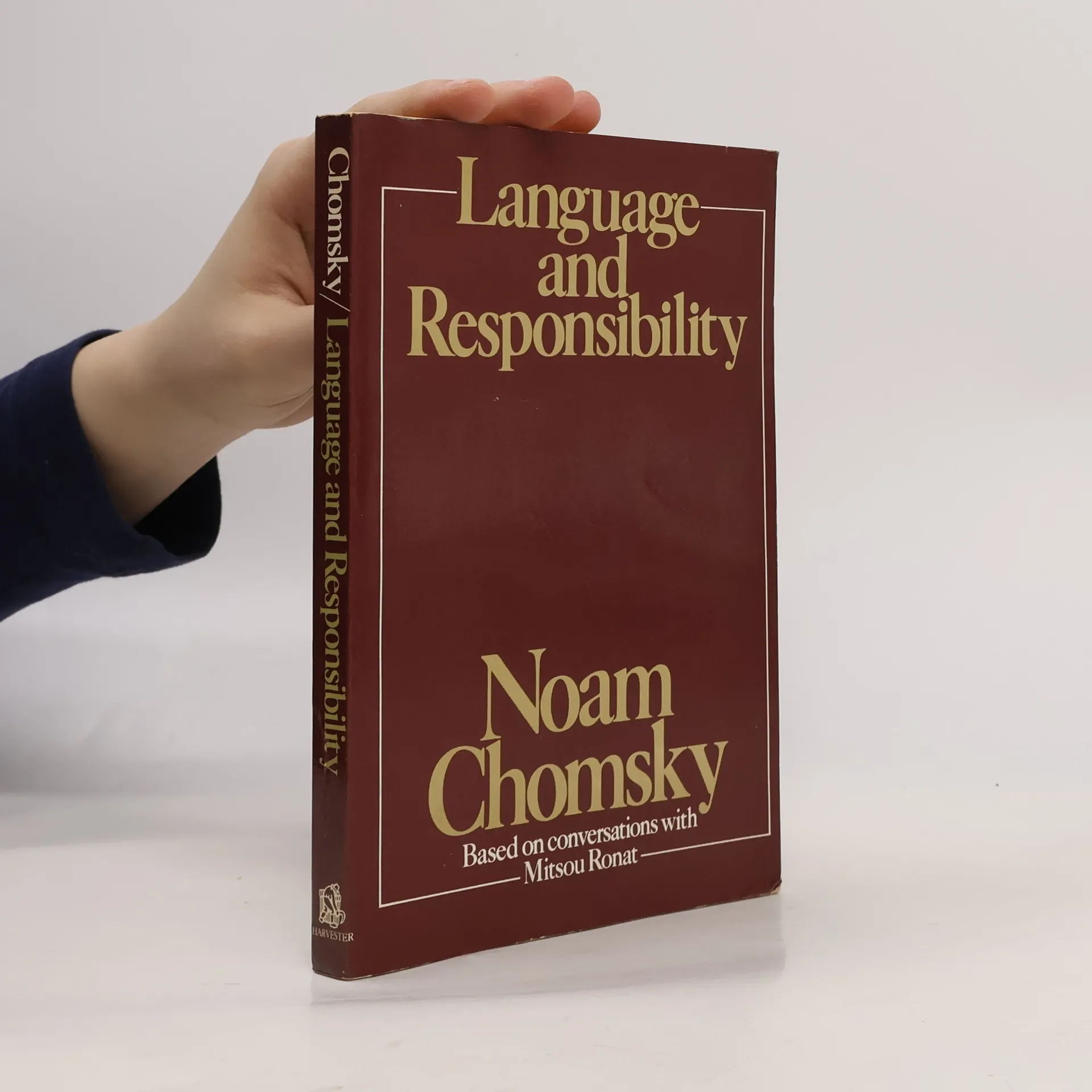
    • Language and Responsibility

      Based on Conversations With Mitsou Ronat

      • 160pages
      • 6 heures de lecture

      From back cover: America's foremost linguist and perhaps its most controversial political critic brings together both sides of his life and work in this wide-ranging, informal, and highly acces sible work. Published in the form of dialogues with Mitsou Ronat, Language and Responsibility begins with the themes Noam Chomsky first made so famous in "The Responsibility of Intellectuals" and ends with a remarkably informative, easily understandable exploration of key issues in modern linguistics. Along the way, Chomsky presents a self portrait of his political, moral, and linguistic thinking. He deepens his analysis of American intellectuals, vividly depicting the bankruptcy of American social science; and he offers an illuminating assessment of the American peace movement, Watergate, American foreign policy, Russian dissident intellectuals, a host of other current political issues. Turning aside from the general ideological beliefs of American intellectuals, Chomsky provides an invaluable introduction to the history of generative grammar. He unveils the controversies that have shaped and structured the under standing of language for the last thirty-five years, and portrays the political social consequences that flow from the behaviorist assumptions so influential in the study of contemporary Society.

      Language and Responsibility
      3,0
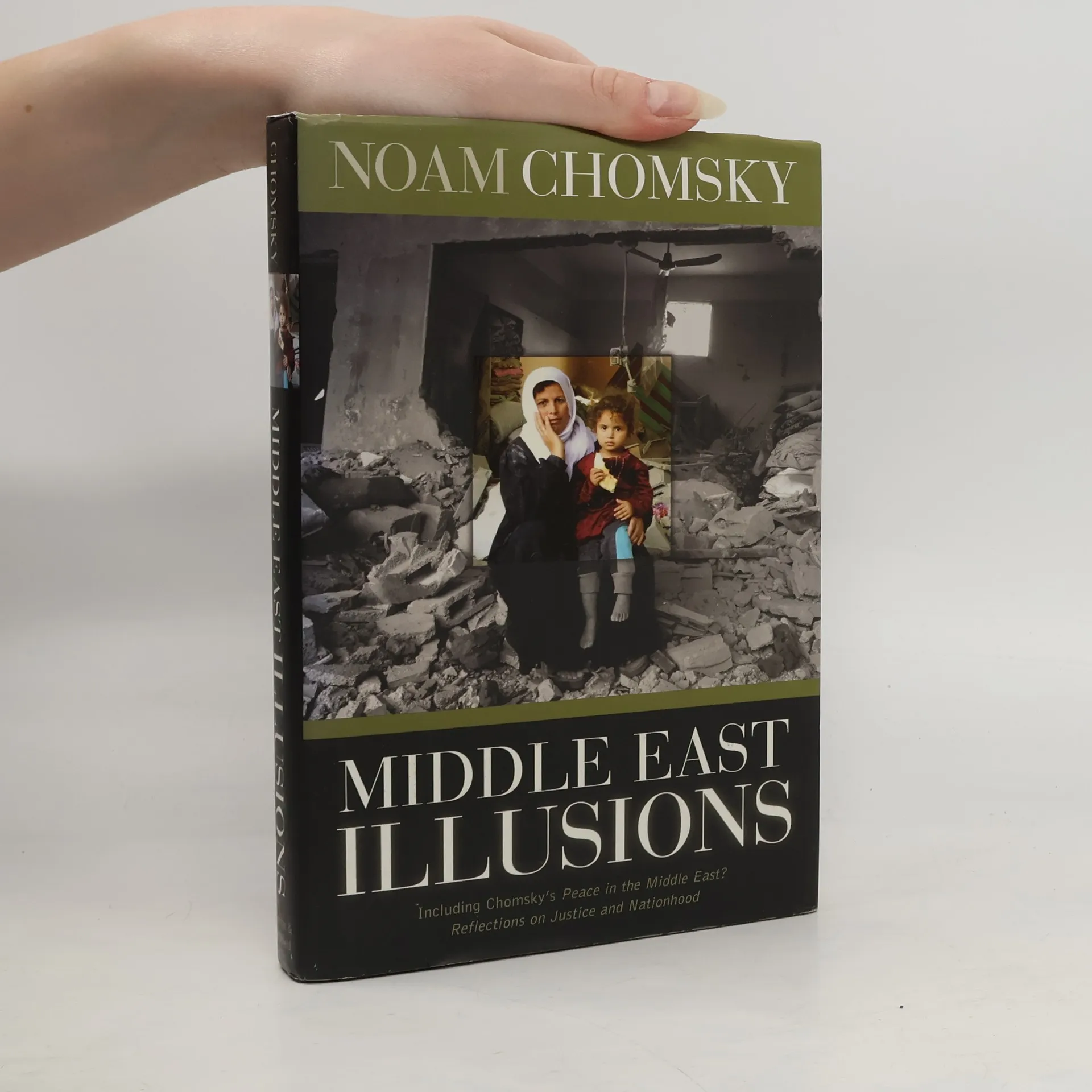
    • Middle East Illusions

      Including Peace in the Middle East? Reflections on Justice and Nationhood.

      • 299pages
      • 11 heures de lecture

      s/tReflections on Justice and Nationhood. Middle East Illusions offers chapters written by Chomsky just before the 2000 Palestinian Intifada and up through October 2002, when 9-11 and a prospective U.S. military campaign against Iraq add new pressures to age-old conflicts. The book also includes the full text of Chomsky's earlier book, Peace in the Middle East? Reflections on Justice and Nationhood, written during the crucial period spanning the Six-Day and 1973 wars, which continue to define and deeply influence events in the Middle East today.

      Middle East Illusions
      4,0
    • One of Chomsky's most accessible books, this succinct series of lectures lays out the parameters of his foreign policy analysis.

      On power and ideology
      4,2
    • Masters of Mankind

      Essays and Lectures, 1969-2013

      • 176pages
      • 7 heures de lecture

      The collection features essays by Noam Chomsky spanning from 1969 to 2013, many published as a book for the first time. Through incisive analysis, Chomsky critiques state power and imperial arguments, dismantling the myths that serve to uphold the privilege of a select few while neglecting the broader needs of the populace. His work offers a thought-provoking examination of the dynamics between power structures and societal interests.

      Masters of Mankind
      4,2
    • On Cuba

      Reflections on 70 Years of Revolution and Struggle

      • 208pages
      • 8 heures de lecture

      The book features a dialogue between prominent thinkers exploring the complex and often contentious relationship between the Cuban Revolution and U.S. imperialism. It delves into the historical, political, and cultural implications of this interplay, offering insights into how these forces have shaped each other over time. Through their discussions, the authors aim to illuminate the broader themes of power, resistance, and the impact of ideology on both nations.

      On Cuba
      4,1
    • This work presents a significant exploration of the interplay between language and the mind, offering fresh insights into philosophical inquiries. Chomsky delves into the cognitive aspects of language, challenging existing paradigms and proposing innovative theories. His arguments emphasize the innate structures of human cognition that shape linguistic ability, making it a crucial text for those interested in linguistics, philosophy, and cognitive science.

      New Horizons in the Study of Language and Mind
      4,2
    • On Nature and Language

      • 218pages
      • 8 heures de lecture

      Exploring the intricate connections between language, mind, and brain, this 2002 work by Noam Chomsky delves into the cognitive processes underlying linguistic capabilities. Chomsky presents his theories on how language shapes thought and perception, offering insights into the nature of human cognition and the neurological foundations that support linguistic development. Through this examination, he challenges existing paradigms and invites readers to reconsider the fundamental aspects of language acquisition and its implications for understanding the human mind.

      On Nature and Language
      4,0
    • American Power and the New Mandarins is Noam Chomsky’s first political book, widely considered to be among the most cogent and powerful statements against the American war in Vietnam. Long out of print, this collection of early, seminal essays helped to establish Chomsky as a leading critic of United States foreign policy. These pages mount a scathing critique of the contradictions of the war, and an indictment of the mainstream, liberal intellectuals—the “new mandarins”—who furnished what Chomsky argued was the necessary ideological cover for the horrors visited on the Vietnamese people.As America’s foreign entanglements deepen by the month, Chomsky’s lucid analysis is a sobering reminder of the perils of imperial diplomacy. With a new foreword by Howard Zinn, author of A People’s History of the United States, American Power and the New Mandarins is a renewed call for independent analysis of America’s role in the world.

      American Power and the New Mandarins: Historical and Political Essays
      4,2
    • ReTargeting Iran

      • 200pages
      • 7 heures de lecture

      A timely primer on the conflict between the United States and Iran by scholars of Middle Eastern politics who advocate diplomacy and de-escalation.

      ReTargeting Iran
      4,1
    • In his 1988 CBC Massey Lectures, Noam Chomsky inquires into the nature of the media in a political system where the population cannot be disciplined by force and thus must be subjected to more subtle forms of ideological control. Specific cases are illustrated in detail, using the U.S. media primarily but also media in other societies. Chomsky considers how the media might be democratized (as part of the general problem of developing more democratic institutions) in order to offer citizens broader and more meaningful participation in social and political life.

      Necessary Illusions: Thought Control in Democratic Societies
      4,2
    • The Withdrawal

      • 208pages
      • 8 heures de lecture

      Two of our most celebrated intellectuals grapple with the uncertain aftermath of the American collapse in Afghanistan Not since the last American troops left Vietnam have we faced such a sudden vacuum in our foreign policy--not only of authority, but also of explanations of what happened, and what the future holds. Few analysts are better poised to address this moment than Noam Chomsky and Vijay Prashad, intellectuals and critics whose work spans generations and continents. Called "the most widely read voice on foreign policy on the planet" by the New York Times Book Review, Noam Chomsky is the guiding light of dissidents around the world. In The Withdrawal, Chomsky joins with noted scholar Vijay Prashad--who "helps to uncover the shining worlds hidden under official history and dominant media" (Eduardo Galeano)--to get at the roots of this unprecedented time of peril and change. Chomsky and Prashad interrogate key inflection points in America's downward spiral: from the disastrous Iraq War to the failed Libyan intervention to the descent into chaos in Afghanistan. As the final moments of American power in Afghanistan fade from view, this crucial book argues that we must not take our eyes off the wreckage--and that we need, above all, an unsentimental view of the new world we must build together.

      The Withdrawal
      4,2
    • After the Cataclysm Vol. 2

      • 488pages
      • 18 heures de lecture

      The second volume of The Political Economy of Human Rights remains one of the most controversial works produced by Chomsky to date. In a much discussed chapter on Cambodia, Chomsky and Herman questioned official Western narratives on the Khmer Rouge and suggested that the evidence available did not match up to the assertions being made at that time. These claims would resurface in a recent controversy with the Continental philosopher Slavoj Zizek and readers will now be able to judge for themselves the veracity of Zizek's claims. The work also contains important analysis of Western interventions across Indochina, including Vietnam and Laos, and provides a searing critique of American imperial aspirations in the region.For too long now, many important books by Noam Chomsky have been left to languish. Introducing Pluto's 'Chomsky Perspectives' series: a collectible, beautiful new list, with cover design by David Pearson. Including both enduring favourites and neglected essentials, these books will appeal to the serious Chomsky reader.

      After the Cataclysm Vol. 2
      4,0
    • THE ESSENTIAL INTRODUCTION TO CHOMSKY'S POLITICAL IDEAS With exceptional clarity and power of argument, Noam Chomsky lays bare as no one else can the realities of contemporary geopolitics. Divided into four sections, originally published in the US only as individual short books, collectively selling over half a million copies, How the World Works covers: WHAT UNCLE SAM REALLY WANTS: the main goals of US foreign policy; the devastation caused abroad; the brainwashing at home. THE PROSPEROUS FEW AND THE RESTLESS MANY: The Prosperous Few and the Restless Many: the new global economy; food and Third World 'economic miracles'; the roots of racism. SECRETS, LIES AND DEMOCRACY: the US, the CIA, religious fundamentalism; global inequality; the coming eco-catastrophe. THE COMMON GOOD: equality, freedom, the media; the myth of Third World debt; manufacturing dissent. This is the perfect way in to the political thought and ideas of the world's most important and frequently-cited authority in the field.

      How the world works
      4,2
    • Gaza in Crisis

      • 256pages
      • 9 heures de lecture

      Surveying the fallout of Israel's conduct in Operation Cast Lead, Noam Chomsky and Ilan Pappe place the massacre in Gaza in the context of Israel's long-standing war against the Palestinians."

      Gaza in Crisis
      4,1
    • Merge and the Strong Minimalist Thesis

      • 88pages
      • 4 heures de lecture

      The goal of this contribution to the Elements series is to closely examine Merge, its form, its function, and its central role in current linguistic theory. It explores what it does (and does not do), why it has the form it has, and its development over time.

      Merge and the Strong Minimalist Thesis
      3,8
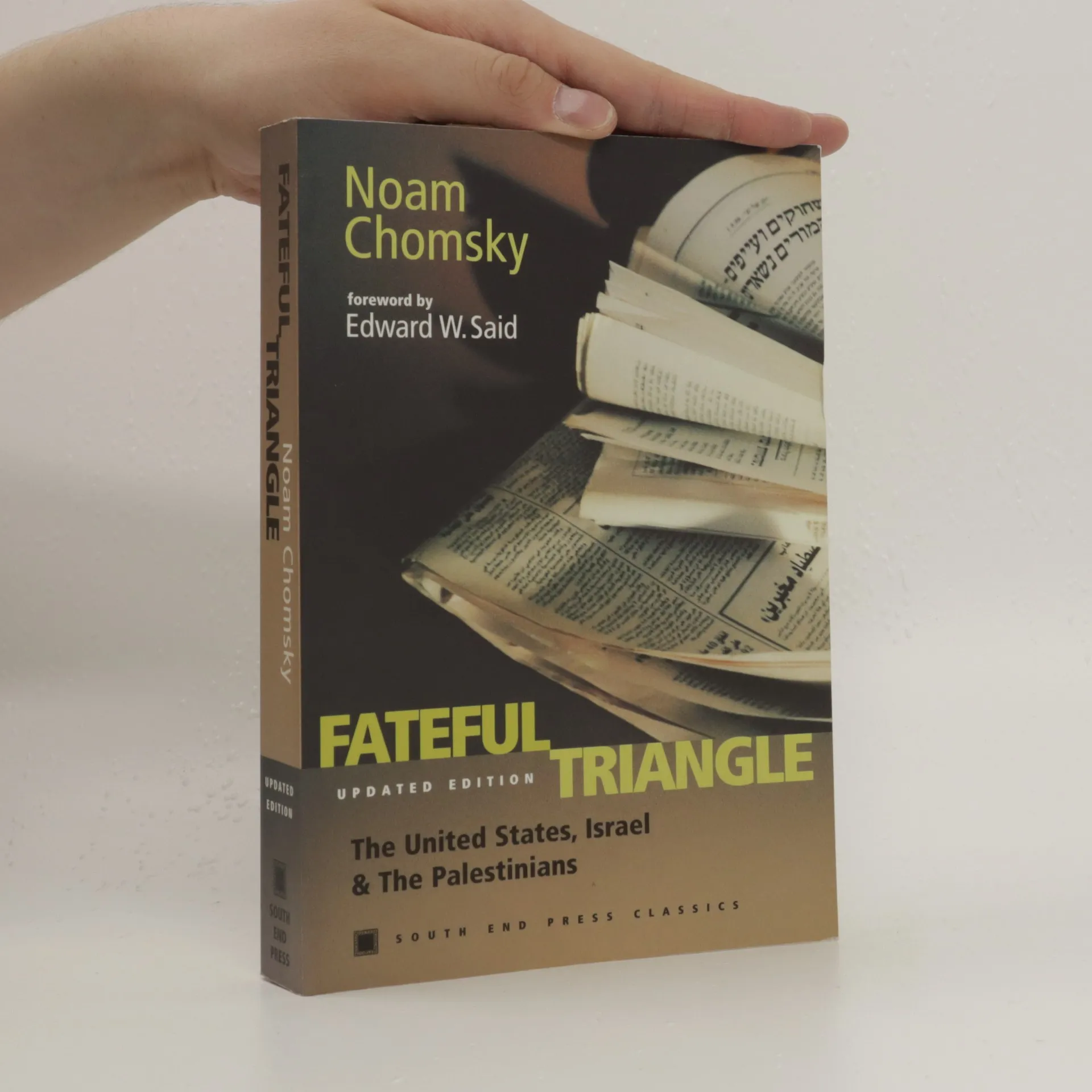
    • Fateful Triangle

      • 578pages
      • 21 heures de lecture

      For some time, I've been compelled to arrange speaking engagements long in advance. A consistently effective title for these talks is "The current crisis in the Middle East." While the specifics of future crises remain unpredictable, their inevitability is assured as long as fundamental regional issues remain unaddressed. The crises will be significant in what President Eisenhower termed "the most strategically important area in the world." In the early post-War years, the U.S. effectively extended the Monroe Doctrine to the Middle East, limiting interference to Britain, which was swiftly reprimanded when it strayed (as in 1956). The region's strategic importance largely stems from its vast petroleum reserves and the power derived from controlling them, alongside the substantial profits benefiting Anglo-American interests, crucial for their economies. This dynamic has ensured that wealth primarily flows to the West rather than the local populace, perpetuating unrest. Additionally, the Israel-Arab conflict, with its complex ramifications, is intricately linked to U.S. strategic aims of dominating regional resources. For many years, the prevailing narrative framed Soviet subversion and expansionism as the core issue, justifying various policies since the Bolshevik takeover in 1917.

      Fateful Triangle
      4,1
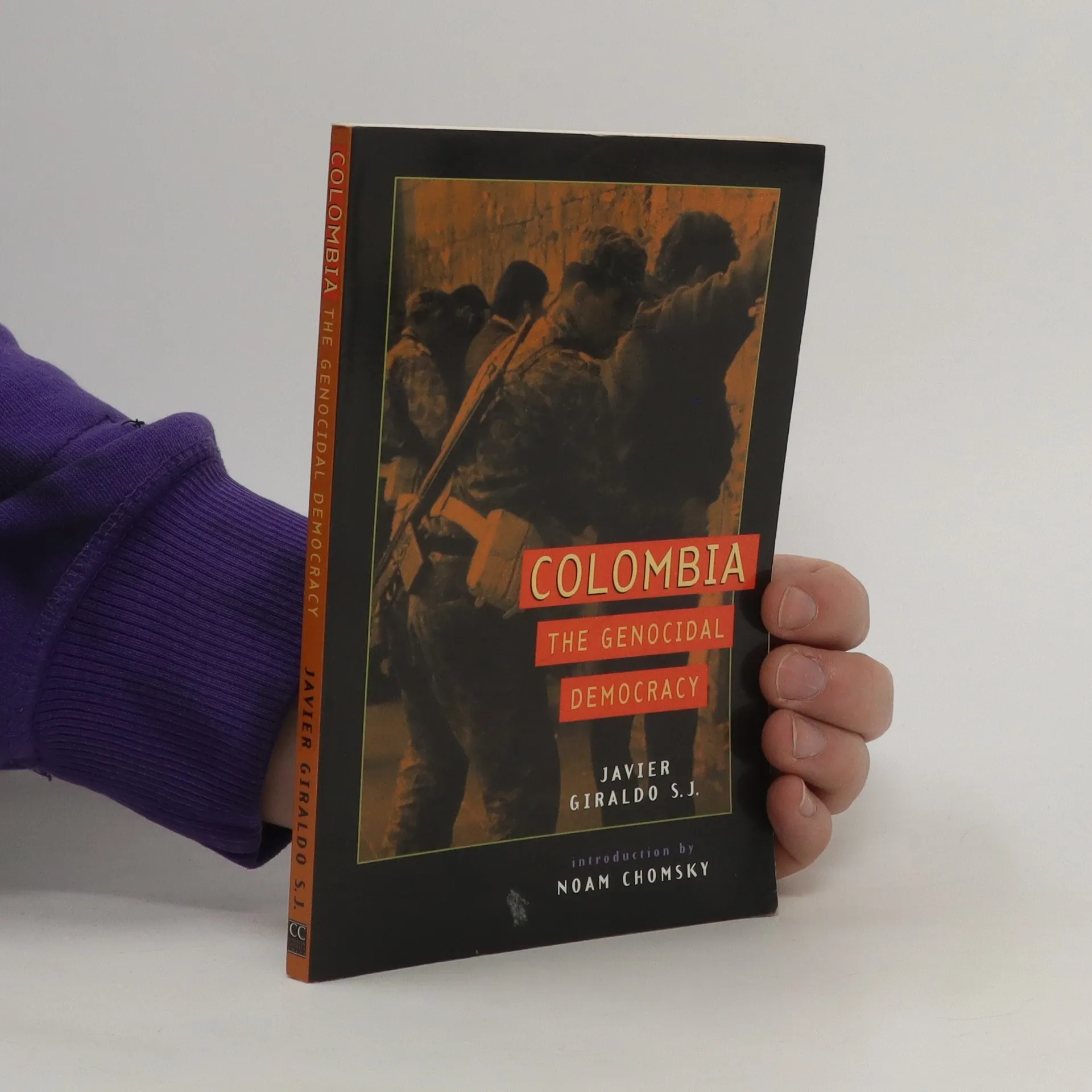
    • Colombia. The genocidal democracy.

      • 125pages
      • 5 heures de lecture

      Father Giraldo, director of a leading Colombian human rights organization, carefully explains Colombia's human rights crisis, citing statistics on political violence and relating eyewitness accounts of extrajudicial assassinations and massacres. Directly implicates the Colombian State in these acti

      Colombia. The genocidal democracy.
      4,0
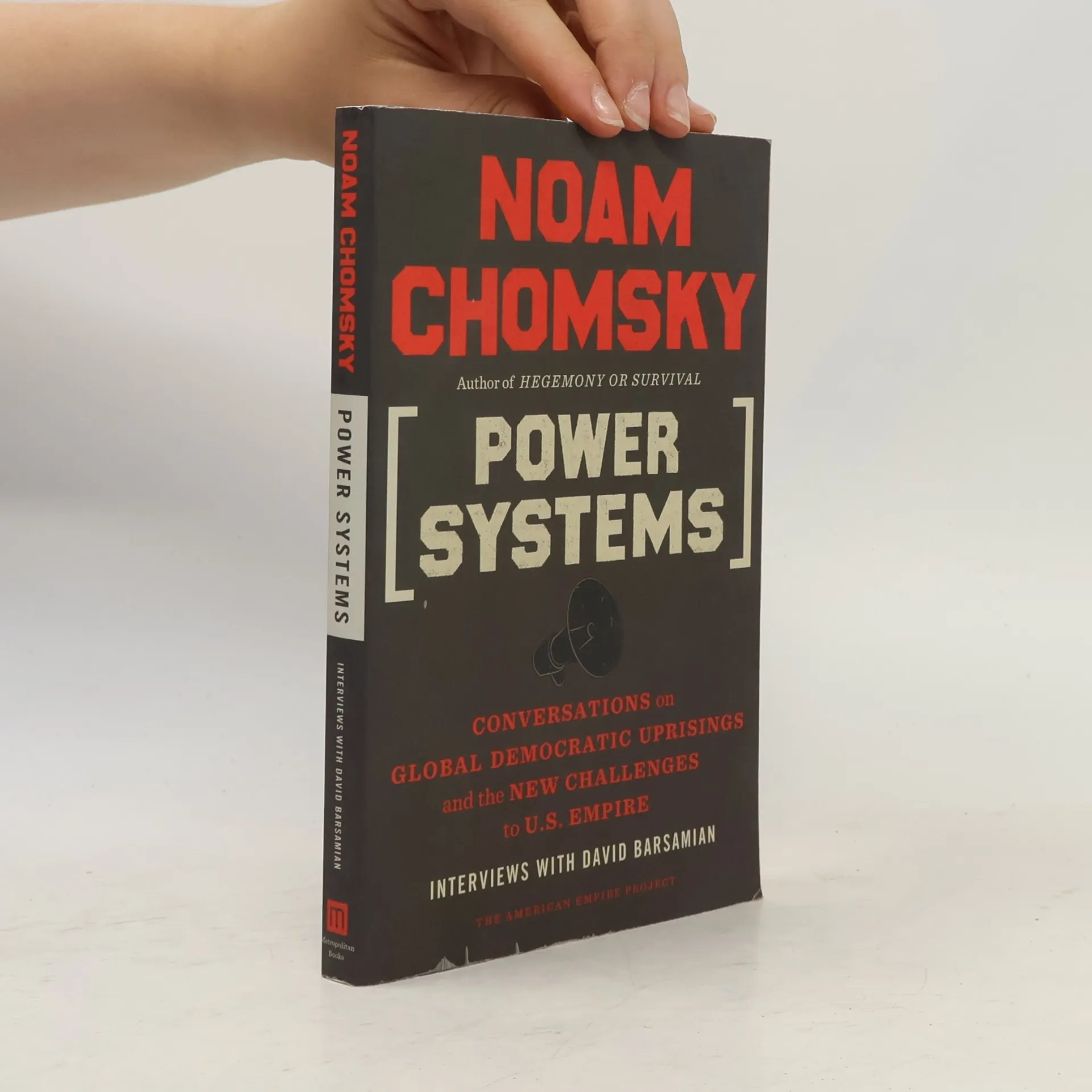
    • In this new collection of conversations, conducted from 2010 to 2012, Noam Chomsky explores the most immediate and urgent concerns: the future of democracy in the Arab world, the implications of the Fukushima nuclear disaster, the 'class war' fought by U.S. business interests against working people and the poor, the breakdown of mainstream political institutions and the rise of the far right. As always, Chomsky presents his ideas vividly and accessibly, with uncompromising principle and clarifying insight. The latest volume from a long-established, trusted partnership, this collection shows once again that no interlocutor engages with Chomsky more effectively than David Barsamian. These interviews will inspire a new generation of readers, as well as longtime Chomsky fans eager for his latest thinking on the many crises we now confront, both at home and abroad. They confirm that Chomsky is an unparalleled resource for anyone seeking to understand our world today.

      Power systems
      4,1
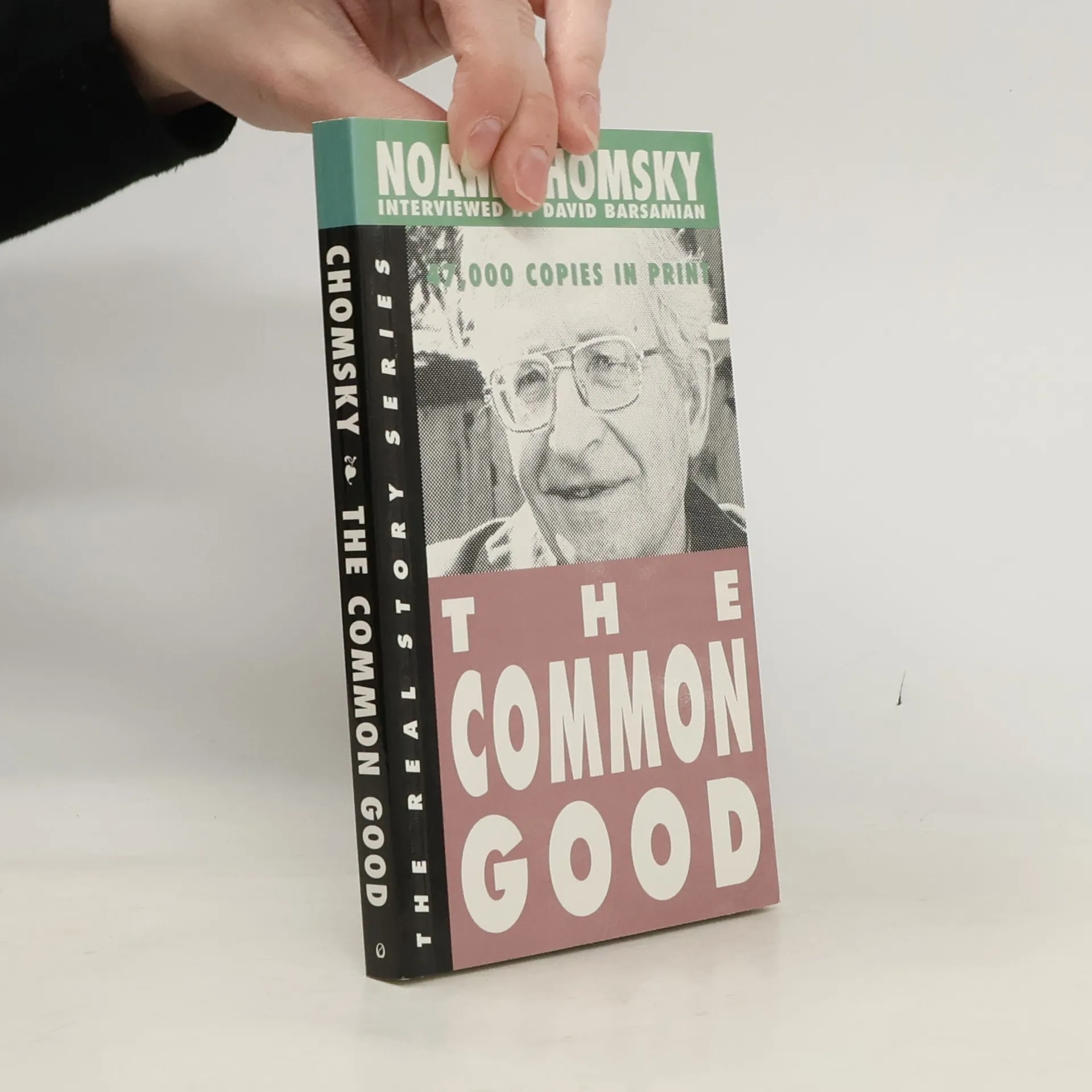
    • The Common Good

      Interviewed by David Barsamian

      • 190pages
      • 7 heures de lecture

      "How adroitly he cuts through the crap and really says something, " describes The Village Voice of world-famous political writer and lecturer Noam Chomsky. In his latest report on the state of the world, Chomsky discusses a breathtaking variety of topics, ranging from Japan's trade policies to the "war" on drugs, corporate welfare, and much more.

      The Common Good
      4,1
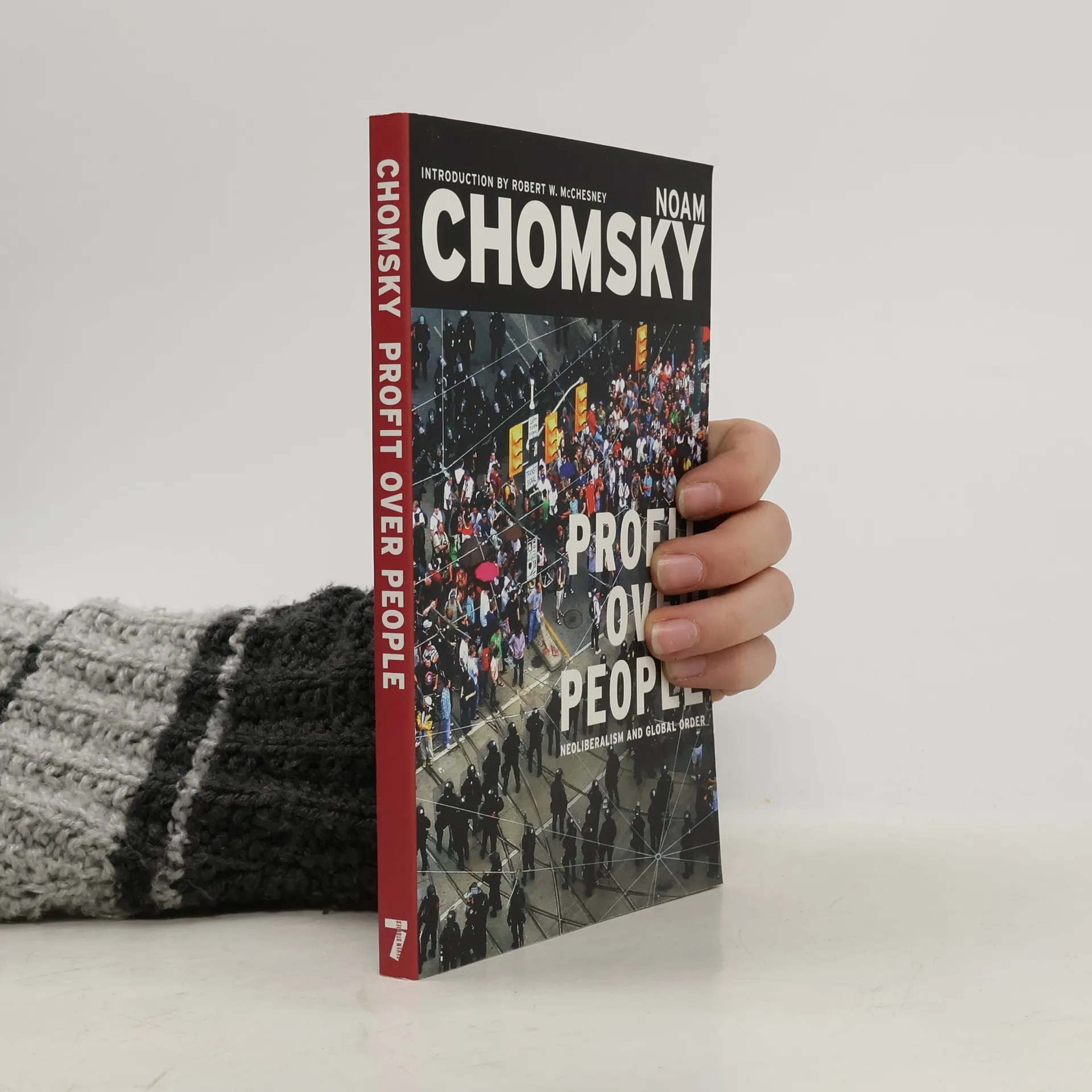
    • Excerpt paraphrased from back cover: Chomsky's thoughts on free market philosophy, and the corporate control of public opinion. Chomsky hopes that social activism will reclaim people's rights as citizens rather than as consumers, redefining demicracy as a global movement, not a global market

      Profits Over People
      4,1
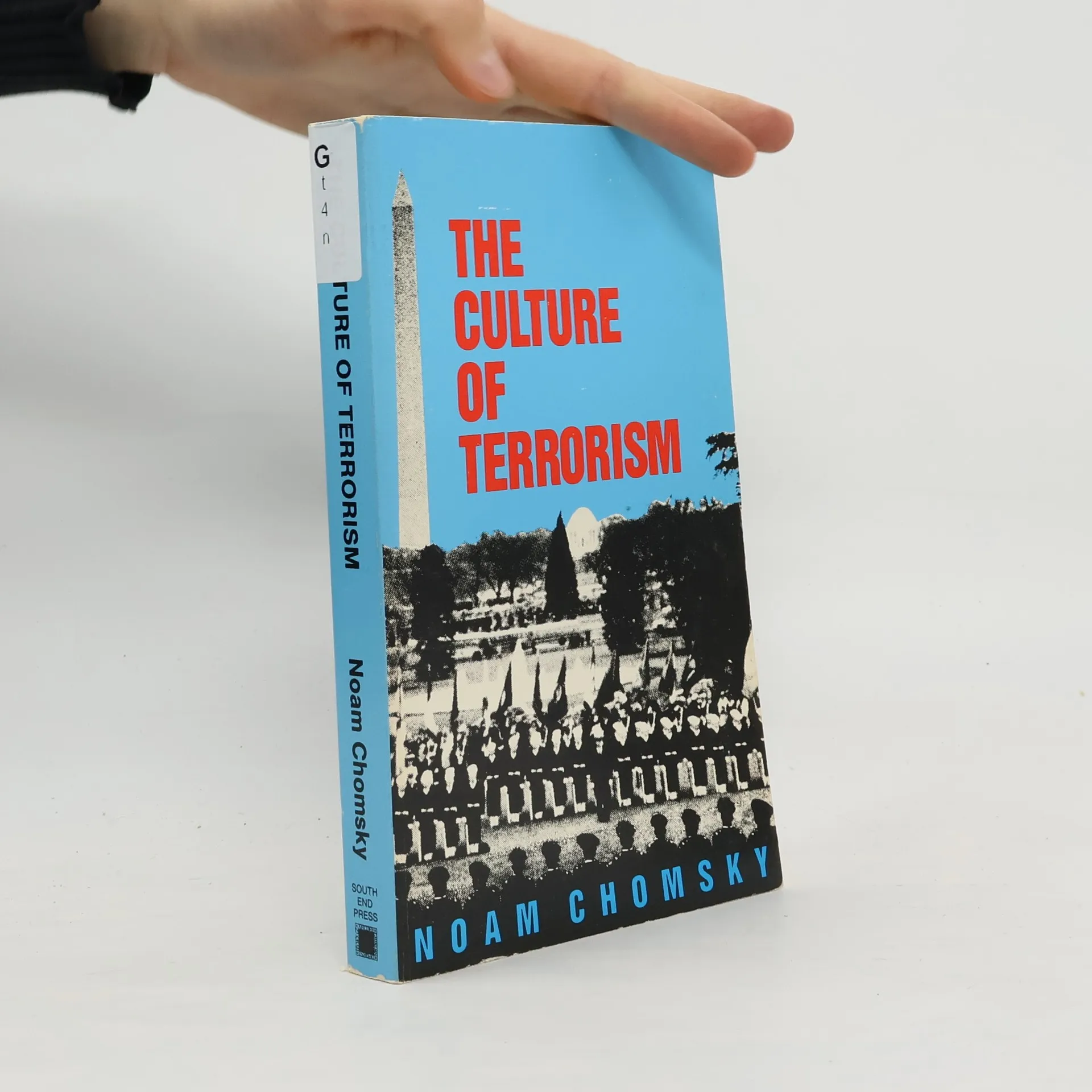
    • This scathing critique of U.S. political culture is a brilliant analysis of the Iran-Contra scandal. Chomsky offers a message of hope, reminding us resistance is possible.

      The Culture of Terrorism
      4,1
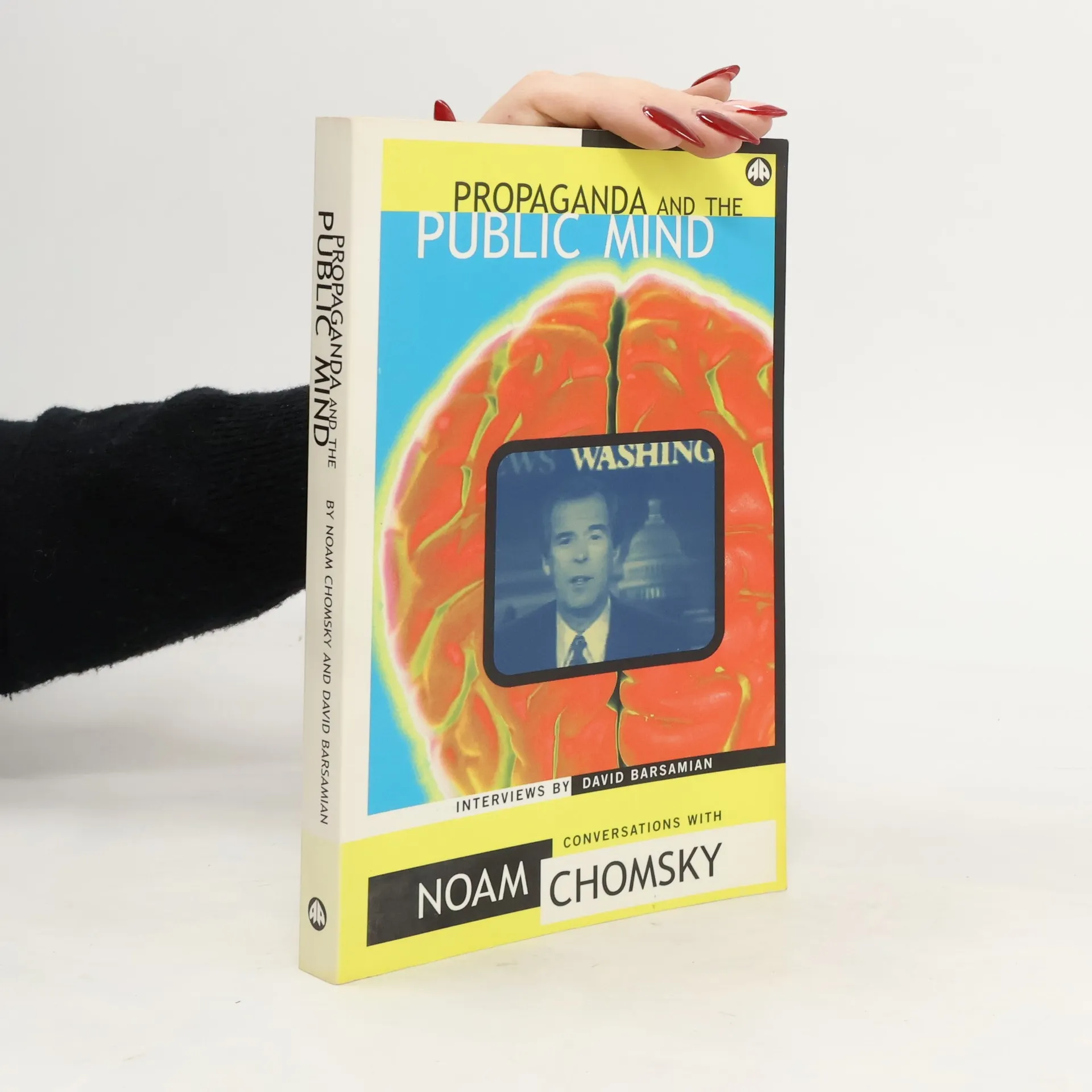
    • Propaganda and the Public Mind

      • 264pages
      • 10 heures de lecture

      An invitation to take part in a conversation with one of the great minds of our time. First published in 2001, this book collects a series of discussions with the journalist David Barsamian. It is the perfect complement to Chomsky's major works of media study such as Manufacturing Consent and Necessary Illusions. Events discussed in detail are the so-called 'Battle of Seattle' protests against the World Trade Organisation, US involvement in East Timor, and the beginning of the movement towards a second Iraq War.

      Propaganda and the Public Mind
      4,1
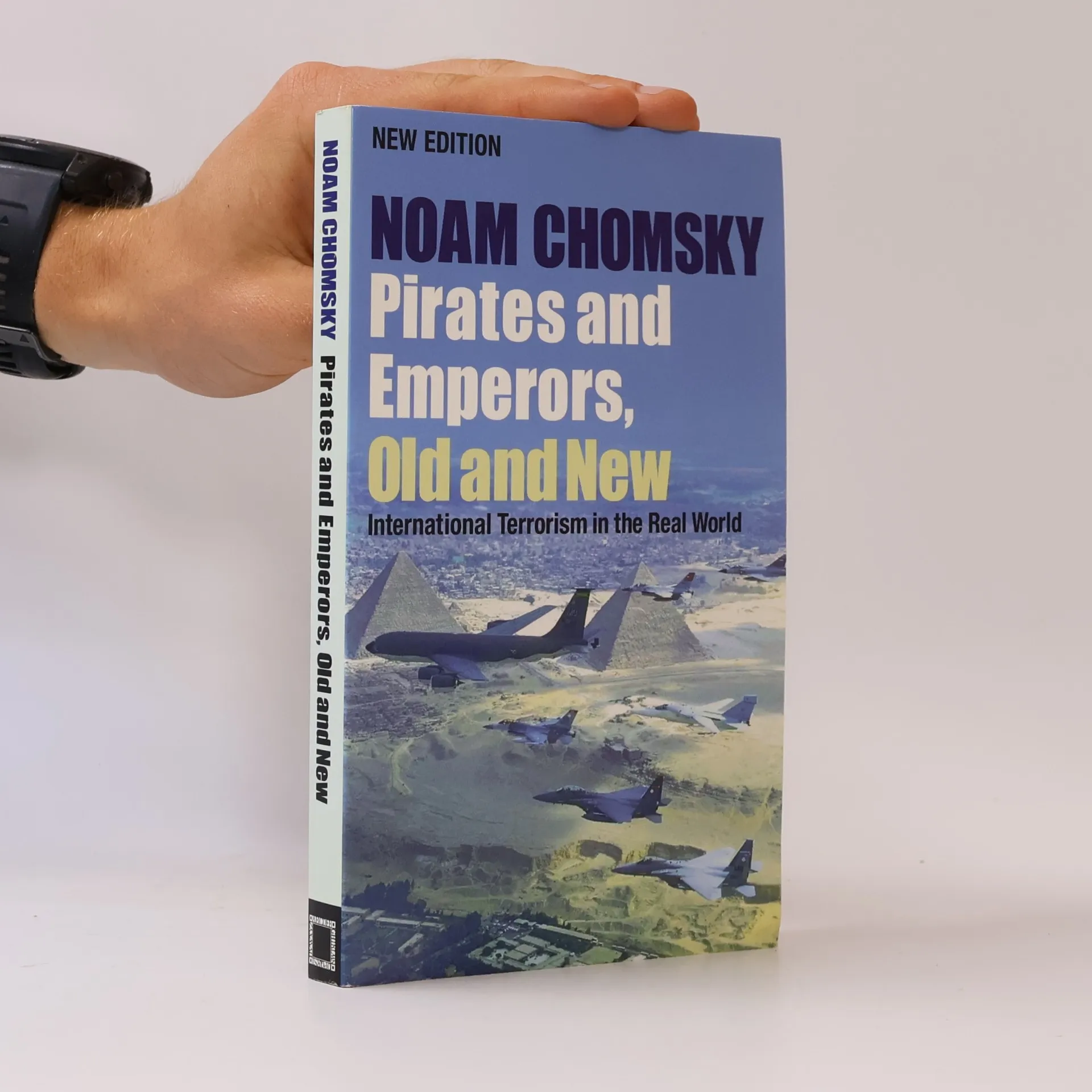
    • Pirates and Emperors, Old and New

      • 312pages
      • 11 heures de lecture

      Pirates & Emperors, Old & New constitutes a collection of extended essays written between 1986 and 2001 which explore how "selected incidents of terrorism" are used as a cover for Western violence across the globe. Topics covered include the Lockerbie Bombing, the Second Palestinian Intifada and the attacks on the World Trade Centre. For those who want to understand the roots of American military actions in Iraq and Afghanistan, recent interventions in Libya, and the on-going destruction of Palestine this collection remains invaluable.This edition first published 2002.

      Pirates and Emperors, Old and New
      3,6
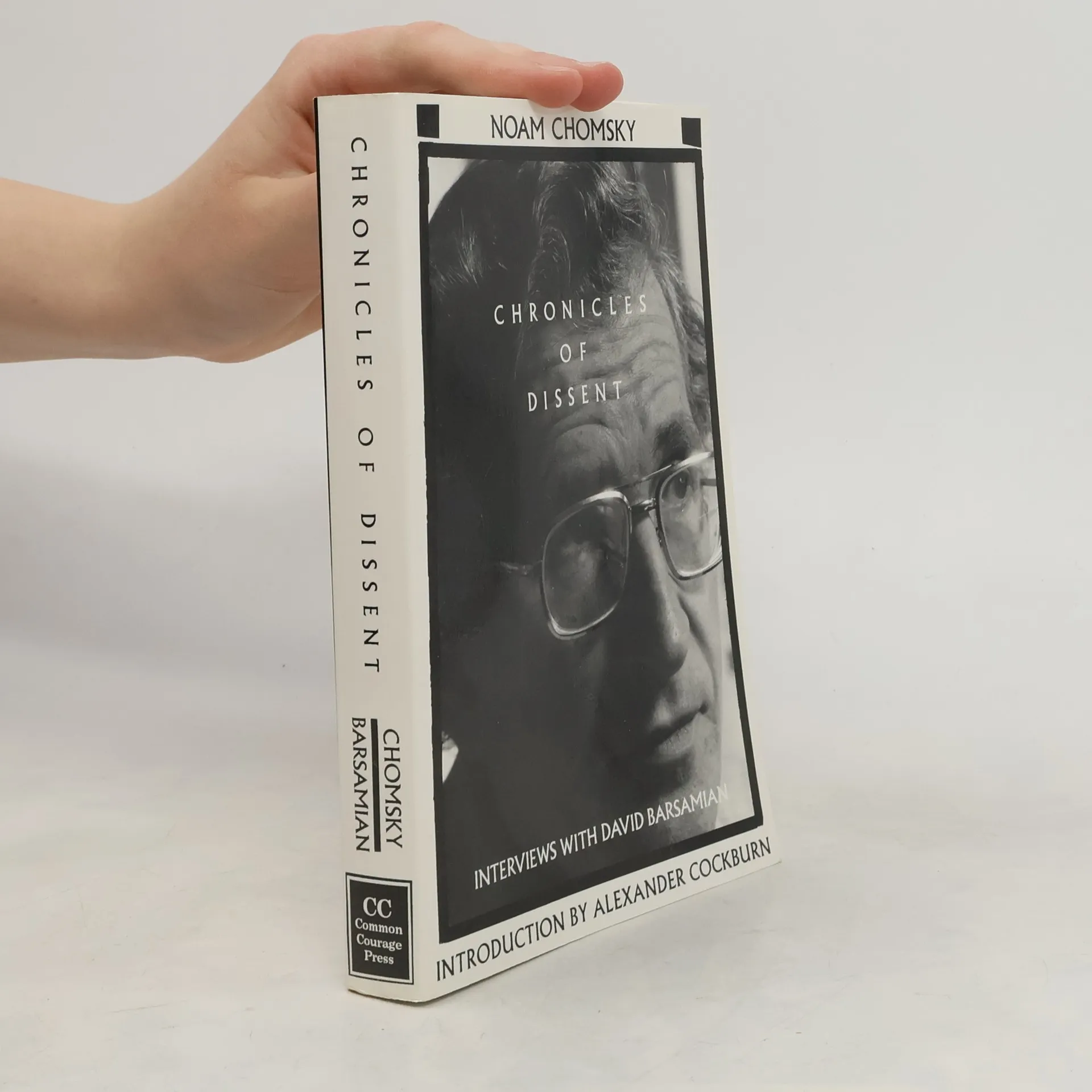
    • Chronicles of Dissent

      Interviews with David Barsamian

      • 416pages
      • 15 heures de lecture

      Published by Common Courage Press, Box 702, Corner 139 & Jackson Road, Monroe, ME 04951. Annotation copyright Book News, Inc. Portland, Or.

      Chronicles of Dissent
      4,1
    • New World In Our Hearts

      • 160pages
      • 6 heures de lecture

      "An interview with Noam Chomsky is a bit like throwing batting practice to Babe Ruth. What you lob in, he will hammer out. This conversational interview by Michael Albert, who has been close to Chomsky for roughly half a century and talked with him many hundreds of times, spans a wide range of topics including journalism, science, religion, the racist foundations of American society, education as indoctrination, issues of class and resistance, colonialism, imperialism, and much more. The thread through it all is that every topic--and the list above takes us just about halfway through this book--reveals how social systems work, what their impact on humanity is, and how they are treated by the elite, mainstream intellectuals, and leftists. It gets personal, theoretical, and observational. The lessons are relevant to all times, so far, and pretty much all places, and Chomsky's logical scalpel, with moral guidance, is relentless." --Amazon.com

      New World In Our Hearts
      4,0
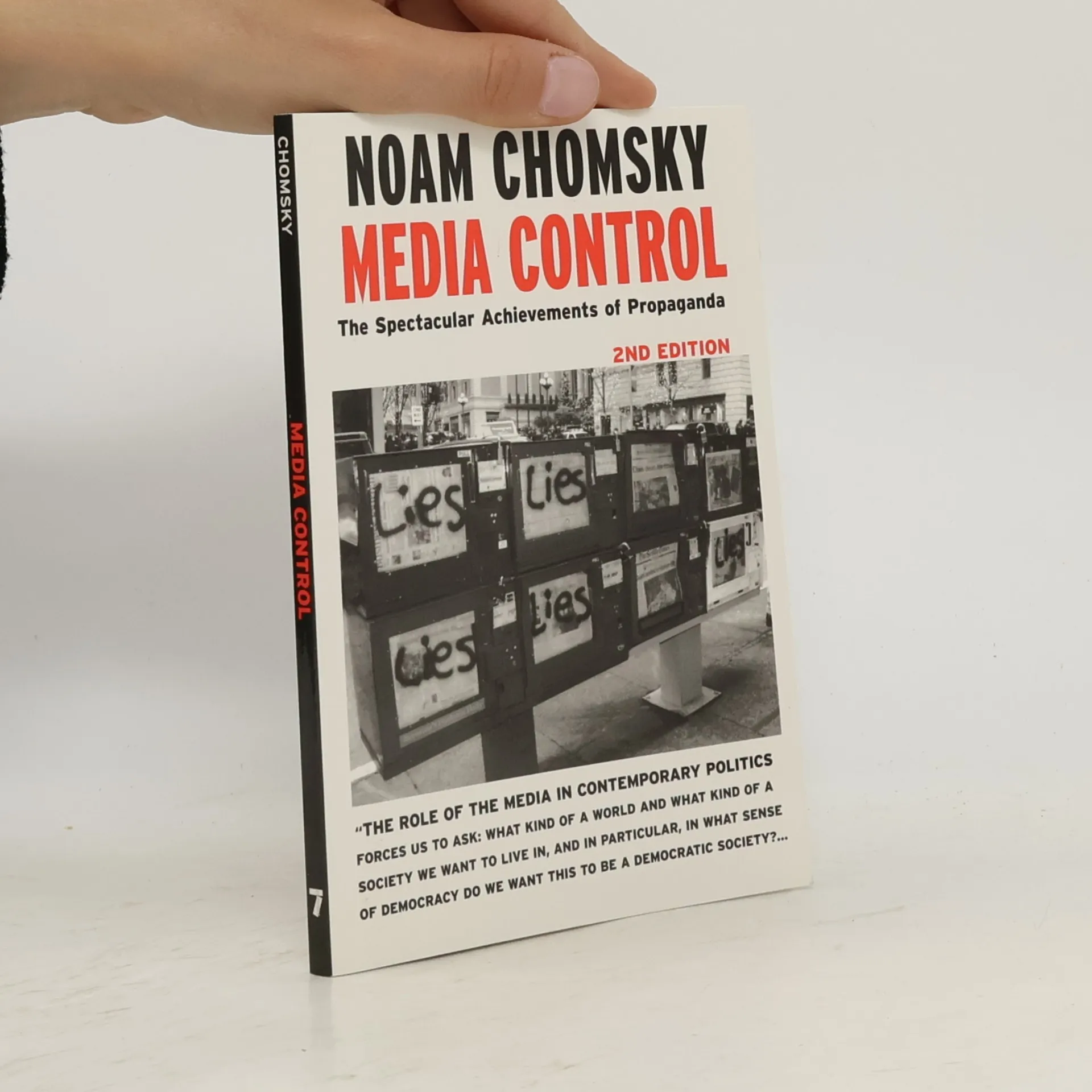
    • Noam Chomsky’s backpocket classic on wartime propaganda and opinion control begins by asserting two models of democracy—one in which the public actively participates, and one in which the public is manipulated and controlled. According to Chomsky, "propaganda is to democracy as the bludgeon is to a totalitarian state," and the mass media is the primary vehicle for delivering propaganda in the United States. From an examination of how Woodrow Wilson’s Creel Commission "succeeded, within six months, in turning a pacifist population into a hysterical, war-mongering population," to Bush Sr.'s war on Iraq, Chomsky examines how the mass media and public relations industries have been used as propaganda to generate public support for going to war. Chomsky further touches on how the modern public relations industry has been influenced by Walter Lippmann’s theory of "spectator democracy," in which the public is seen as a "bewildered herd" that needs to be directed, not empowered; and how the public relations industry in the United States focuses on "controlling the public mind," and not on informing it. Media Control is an invaluable primer on the secret workings of disinformation in democratic societies.From the Audiobook Download edition.

      Media control : the spectacular achievements of propaganda
      4,1
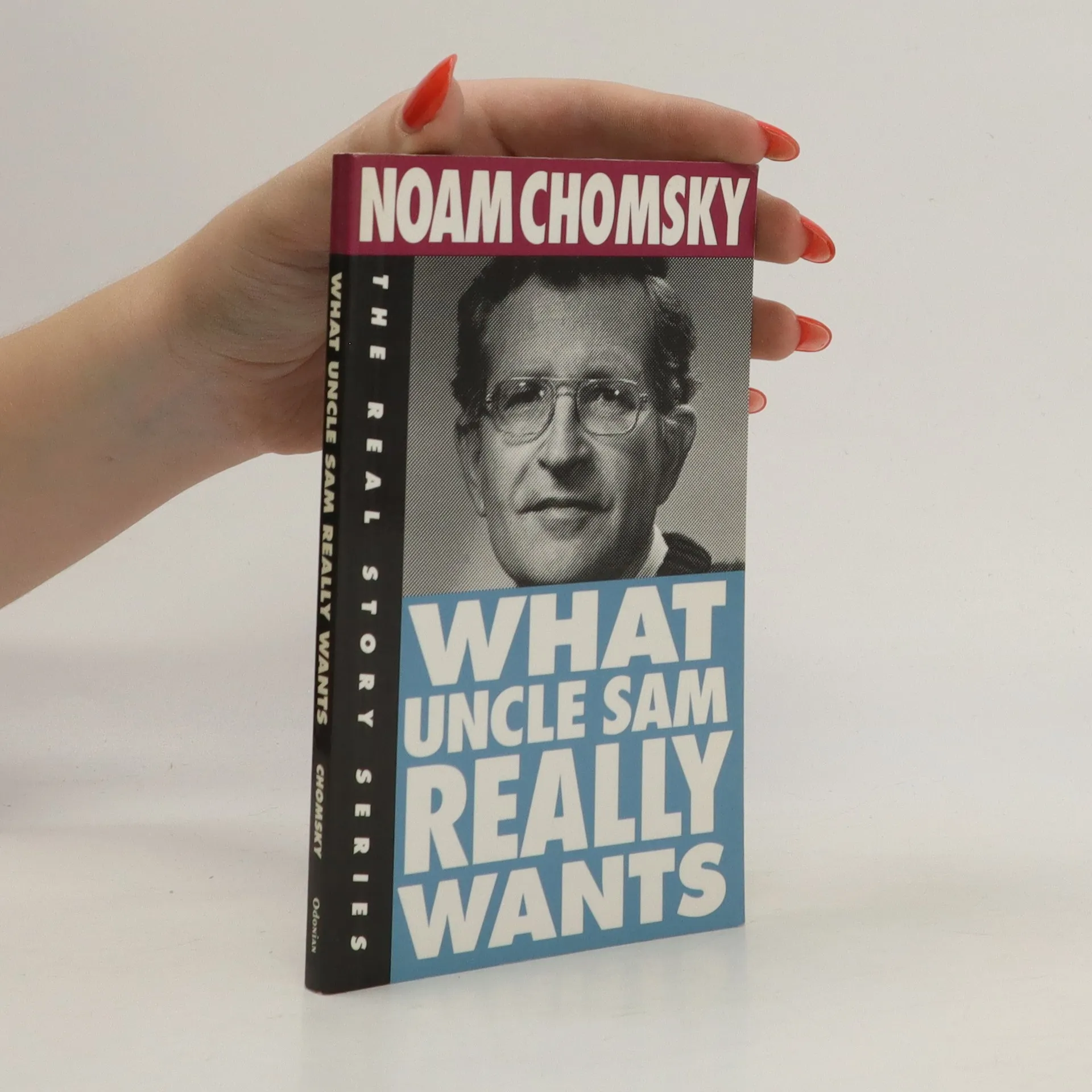
    • A brilliant distillation of the real motivations behind U.S. foreign policy, compiled from talks and interviews completed between 1986 and 1991, with particular attention to Central America.

      What Uncle Sam Really Wants
      4,1
    • An essential guide to geopolitics in 2017 -- and how we should be fighting back -- from the world's leading public intellectual What kind of world are we leaving to our grandchildren? How are the discontents kindled today likely to blaze and explode tomorrow? From escalating climate change to the devastation in Syria, pandemic state surveillance to looming nuclear war, Noam Chomsky takes stock of the world today. Over the course of ten conversations with long-time collaborator David Barsamian, spanning 2013-2016, Chomsky argues in favour of radical changes to a system that cannot possibly cope with what awaits tomorrow. Interwoven with personal reflections spanning from childhood to his eighth decade of life, Global Discontents also marks out Chomsky's own intellectual journey, mapping his progress to revolutionary ideas and global prominence.

      Global Discontents : Conversations on the Rising Threats to Democracy
      4,1
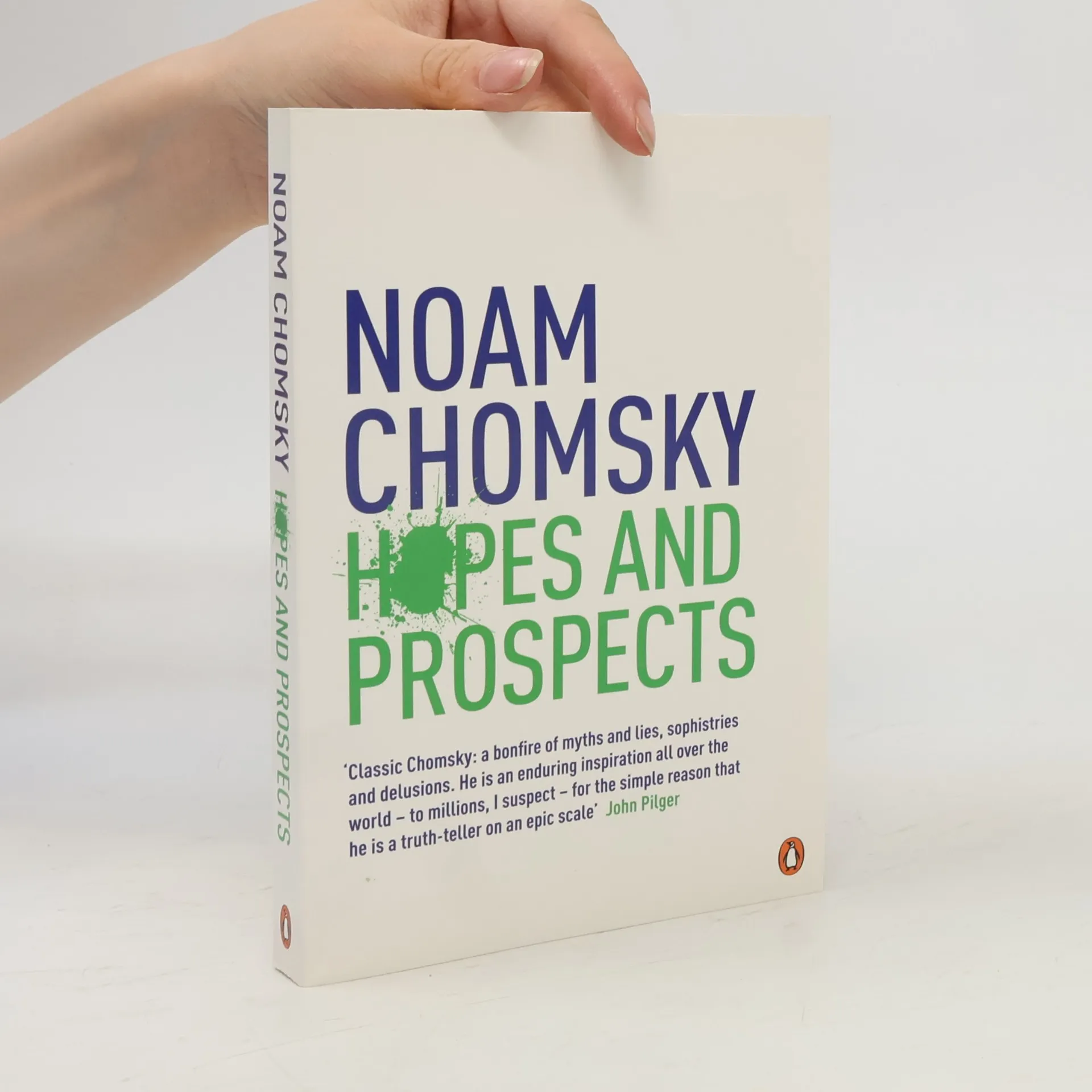
    • Hopes and Prospects

      • 327pages
      • 12 heures de lecture

      One of the foremost critics of U.S. foreign policy delivers his insight into the ways that popular activism has led to substantial gains in freedom and justice around the world--and how those gains can be reached in the United States.

      Hopes and Prospects
      4,1
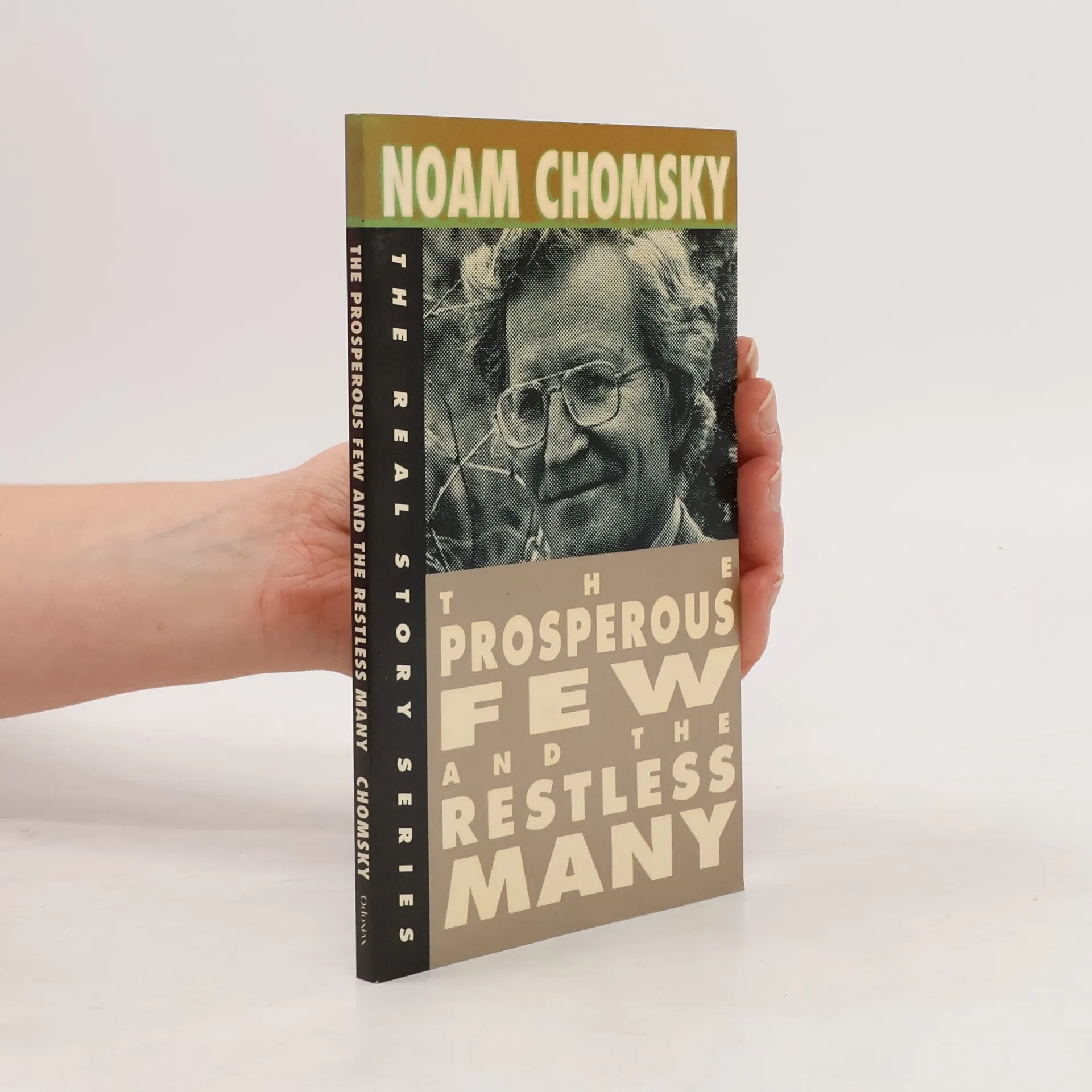
    • These wide-ranging interviews, from 1992 and 1993, cover everything from Bosnia and Somalia to biotechnology and nonviolence, with particular attention to the "Third Worldization" of the United States.

      The Real Story Series: The Prosperous Few and the Restless Many
      4,0
    • Examining the 50th anniversary of the Universal Declaration of Human Rights, the author critiques the United States' deviation from its principles in practice. By analyzing the contradictions of U.S. power, the book highlights the progress achieved through grassroots activism while revealing how the U.S. often violates the Declaration and manipulates it against adversaries. Chomsky's insights challenge official narratives and underscore the need for a more genuine commitment to human rights.

      The Umbrella of U.S. Power: The Universal Declaration of Human Rights and the Contradictions of U.S. Policy
      4,0
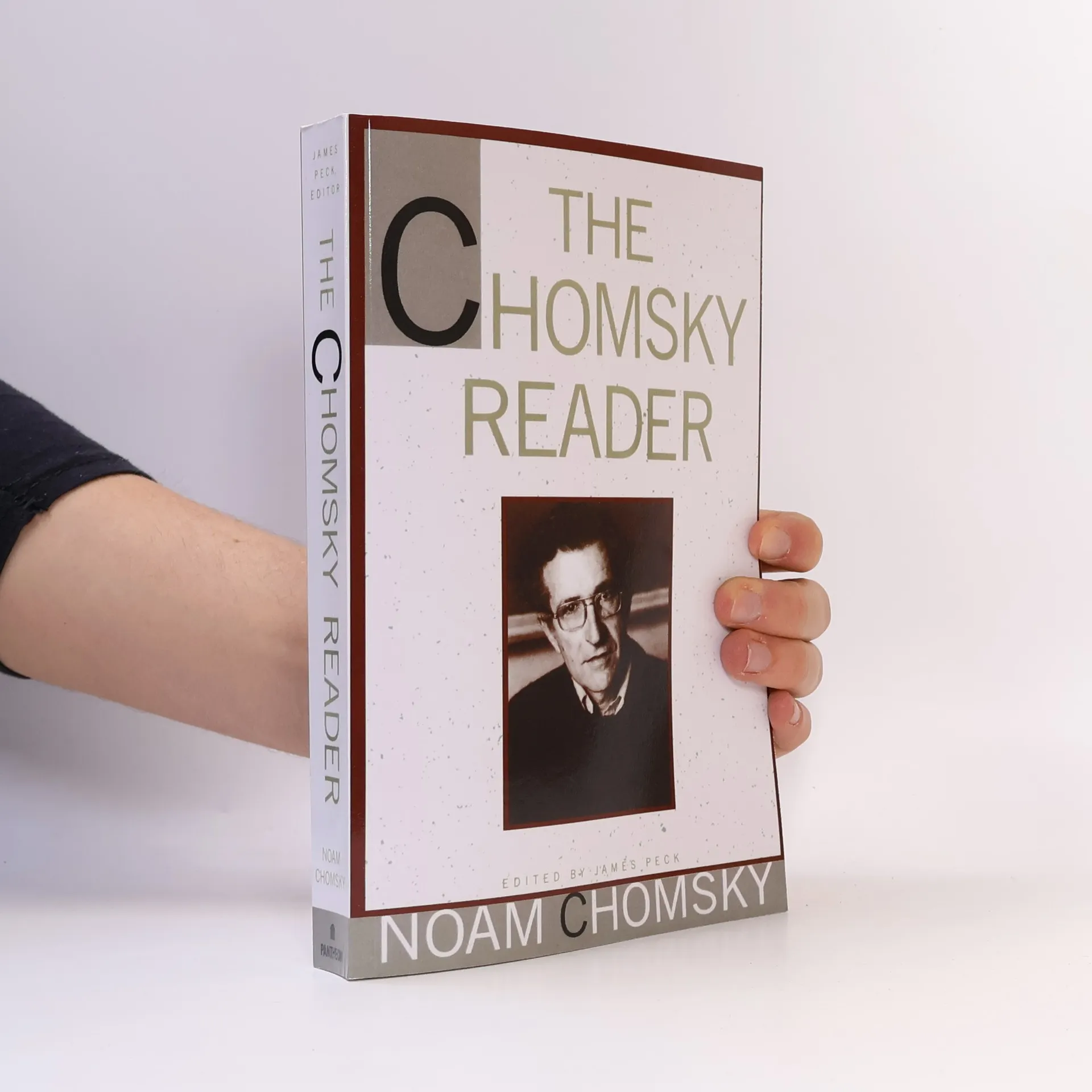
    • The Chomsky Reader

      • 492pages
      • 18 heures de lecture

      The political and linguistic writings of America's leading dissident intellectual. He relates his political ideals to his theories about language.

      The Chomsky Reader
      4,0
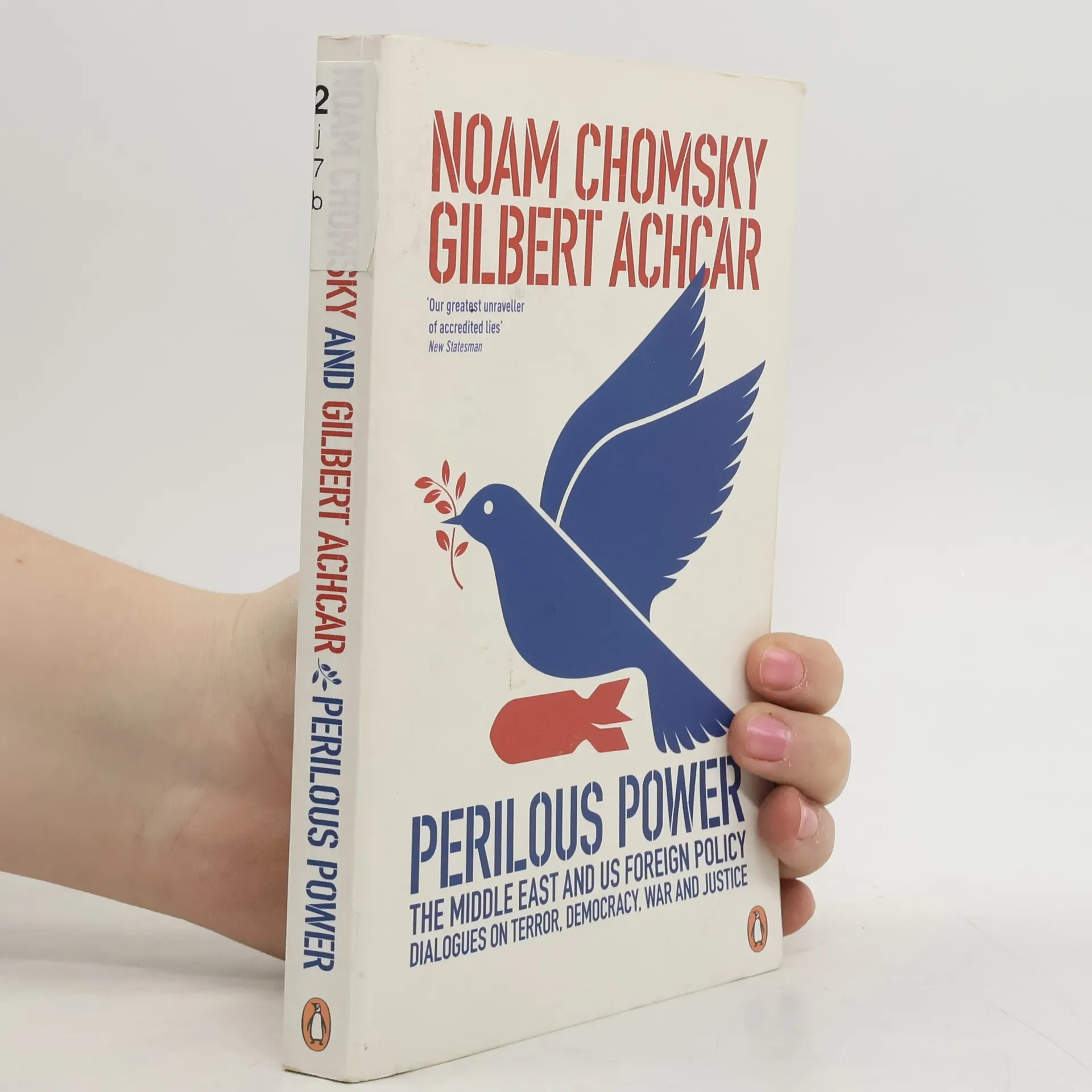
    • Perilous Power

      The Middle East and US Foreign Policy

      • 288pages
      • 11 heures de lecture

      The volatile Middle East is a site of vast resources, profound passions, frequent crises, and long-standing conflicts, as well as a major source of international tensions and a key site of direct US intervention. Two of the most astute analysts of this part of the world are Noam Chomsky, the pre-eminent critic of US foreign policy, and Gilbert Achcar, a leading specialist of the Middle East who lived in that region for many years. In their new book, Chomsky and Achcar bring a keen understanding of the internal dynamics of the Middle East and of the role of the United States, taking up all the key questions of interest to concerned citizens, including such topics as terrorism, fundamentalism, conspiracies, oil, democracy and anti-Arab racism, as well as the war in Afghanistan, the invasion and occupation of Iraq, the Israeli-Palestinian conflict, and the sources of US foreign policy. Timely, erudite and incisive, Perilous Power provides the best readable introduction for all who wish to understand the complex issues related to the Middle East from a perspective dedicated to peace and justice.

      Perilous Power
      4,0
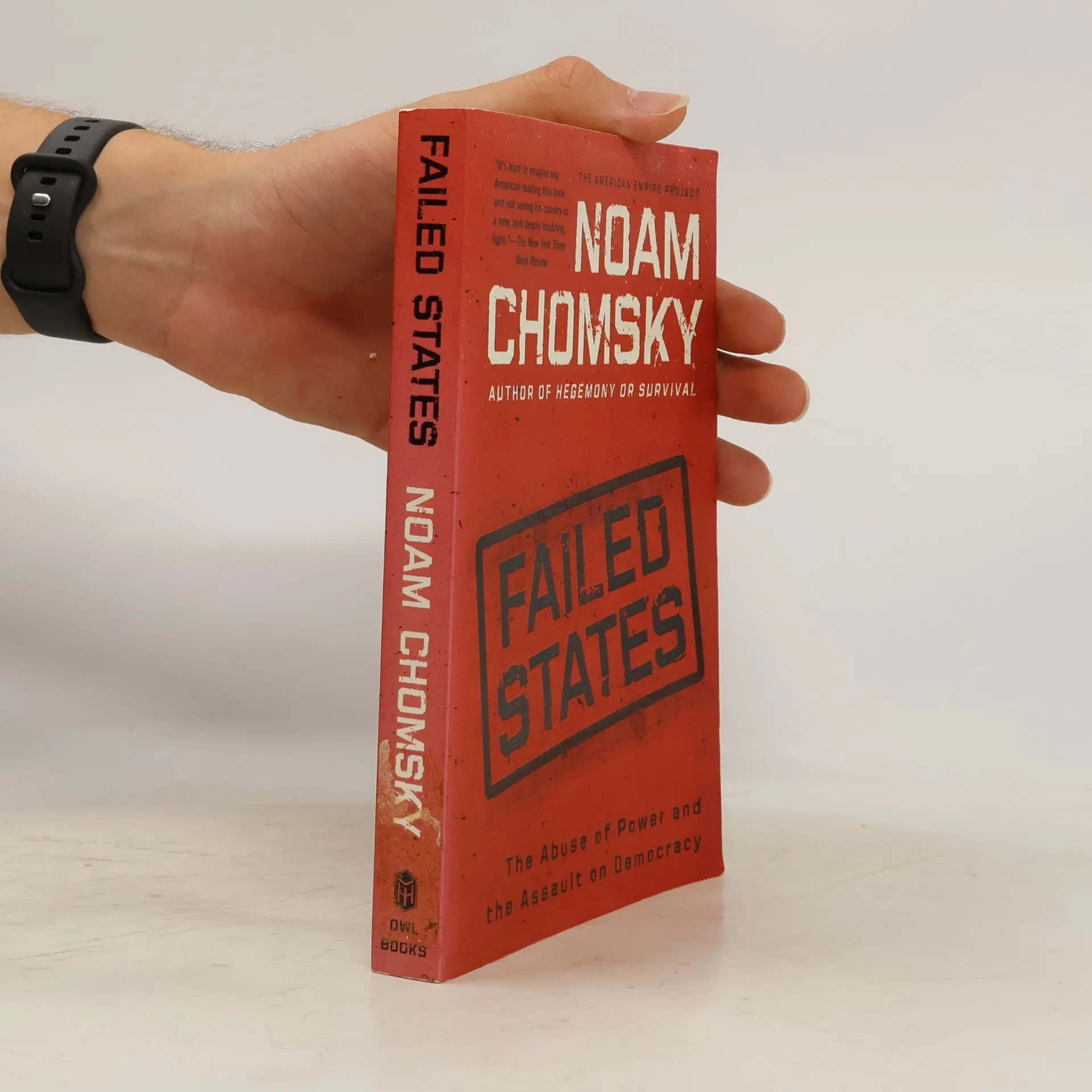
    • Failed States

      The Abuse of Power and the Assault on Democracy

      • 311pages
      • 11 heures de lecture

      The United States has repeatedly asserted its right to intervene militarily against "failed states" around the globe. In this much-anticipated follow-up to his international bestseller Hegemony or Survival, Noam Chomsky turns the tables, showing how the United States itself shares features with other failed states―suffering from a severe "democratic deficit," eschewing domestic and international law, and adopting policies that increasingly endanger its own citizens and the world. Exploring the latest developments in U.S. foreign and domestic policy, Chomsky reveals Washington's plans to further militarize the planet, greatly increasing the risks of nuclear war. He also assesses the dangerous consequences of the occupation of Iraq; documents Washington's self-exemption from international norms, including the Geneva conventions and the Kyoto Protocol; and examines how the U.S. electoral system is designed to eliminate genuine political alternatives, impeding any meaningful democracy. Forceful, lucid, and meticulously documented, Failed States offers a comprehensive analysis of a global superpower that has long claimed the right to reshape other nations while its own democratic institutions are in severe crisis. Systematically dismantling the United States' pretense of being the world's arbiter of democracy, Failed States is Chomsky's most focused―and urgent―critique to date.

      Failed States
      4,0
    • Imperial Ambitions

      • 226pages
      • 8 heures de lecture

      A collection of previously unpublished interviews presents the critical thoughts of the noted scholar and activist on American foreign policy in the increasingly unstable global community following September 11th.

      Imperial Ambitions
      4,0
    • Hegemony Or Survival

      • 320pages
      • 12 heures de lecture

      Presents an irrefutable analysis of America's pursuit of total domination and the catastrophic consequences that are sure to follow. This title reveals the truth and the true motives behind America's quest for dominance - and seeks also to show how the world may yet step back from the brink.

      Hegemony Or Survival
      4,0
    • What we say goes

      • 242pages
      • 9 heures de lecture

      s/t: Conversations on US Power in a changing world An indispensable set of interviews on foreign and domestic issues with the bestselling author of Hegemony or Survival, “America’s most useful citizen.” (The Boston Globe) In this new collection of conversations, conducted in 2006 and 2007, Noam Chomsky explores the most immediate and urgent concerns: Iran’s challenge to the United States, the deterioration of the Israel-Palestine conflict, the ongoing occupations of Iraq and Afghanistan, the rise of China, and the growing power of the left in Latin America, as well as the Democratic victory in the 2006 U.S. midterm elections and the upcoming presidential race. As always, Chomsky presents his ideas vividly and accessibly, with uncompromising principle and clarifying insight. The latest volume from a long-established, trusted partnership, What We Say Goes shows once again that no interlocutor engages with Chomsky more effectively than David Barsamian. These interviews will inspire a new generation of readers, as well as longtime Chomsky fans eager for his latest thinking on the many crises we now confront, both at home and abroad. They confirm that Chomsky is an unparalleled resource for anyone seeking to understand our world today.

      What we say goes
      4,0
    • Reflections on Language

      • 269pages
      • 10 heures de lecture

      Chomsky's work in linguistics has transformed our understanding of language, prompting a deeper exploration of its significance and purpose. This collection of nontechnical Reflections delves into the intellectual implications of linguistic study, addressing classical questions that have intrigued philosophers from Plato to the present. Central to this inquiry is the mystery of how humans, despite limited personal experience, develop intricate systems of knowledge, beliefs, and values that shape their actions and interpretations. Chomsky posits that language growth parallels the development of a bodily organ, largely predetermined by genetic factors. His analyses engage with contemporary debates among psychologists, philosophers, and linguists regarding cognitive structures, the interplay of language with mental faculties, and how these structures influence behavior. He also examines the social and intellectual forces that have led to the predominance of certain thought patterns, questioning why the study of mind and behavior often diverges from natural science methodologies. Furthermore, he critiques the notion of humans as entirely malleable, arguing that this belief not only misrepresents human nature but also underpins reactionary social ideologies.

      Reflections on Language
      3,5
    • Profit Over People

      • 242pages
      • 9 heures de lecture

      Serial entrepreneur and business visionary Dale Partridge reveals seven core beliefs that create success by putting people first.

      Profit Over People
      4,0
    • Class Warfare

      • 185pages
      • 7 heures de lecture

      Continuing his bestselling interviews with David Barsamian, CHomsky provides a road map to the concentration of corporate power. Amidst a devastating sketch of the ongoning destruction of civil society, Class Warfare unearths a cause for optimism in the ongoing struggle for human freedom. National ads/media.

      Class Warfare
      4,0
    • Language and Thought

      • 96pages
      • 4 heures de lecture

      "As a linguist, Noam Chomsky aims not only at making a technical contribution with his generative theory of language but also at integrating his linguistic theory into a wider view of the relationship between language and the human mind. The crux of this view is his hypothesis that human beings are born with an innate knowledge of universal principles underlying the structure of human language. Chomsky's ideas have exerted a powerful influence on other disciplines by restoring language to a central position in cognitive psychology and in the philosophy of mind. The wider impact of his redefinition of the subject gives him a permanent place in the intellectual history of the twentieth century. Central to Chomsky's analysis is the distinction he draws between linguistic competence (knowledge of the system of rules that govern language) and an individual's actual performance as a user of language. As Dr. Klor de Alva points out, "... Chomsky's sober text makes clear why an avoidance of dogmatism and reductionism, in the human and natural sciences - as in all things - and a well-founded recognition of the limits of cognition are not only methodologically useful but also conceptually necessary.""--Jaquette de livre

      Language and Thought
      3,5
    • This fascinating book describes how the Nazis won WWII, the coming eco-catastrophe, and much more. It has averaged 1700 copies a month for years, and sales are actually increasing.Noah Chomsky has been hailed by the New York Times as "arguably the most important intellectual alive". In this third volume in a series of illuminating interviews, Chomsky discusses why the U.S. is more violent than other countries, how our claim to be a democracy is defective, and what "democracy" actually describes in the real world.

      Secrets, lies and democracy
      4,0
    • The Responsibility of Intellectuals

      • 160pages
      • 6 heures de lecture

      Originally published as a special supplement by The New York Review of Books, this work features critical essays that delve into the role of intellectuals in society. The primary essay examines the responsibilities they bear in shaping public discourse and moral accountability. Additionally, a second essay titled "The Responsibility of Intellectuals, Redux" revisits these themes, offering updated insights into the ongoing relevance of intellectual engagement in contemporary issues. The collection emphasizes the importance of thoughtful discourse in challenging times.

      The Responsibility of Intellectuals
      3,9
    • Language and Mind 3ed

      • 210pages
      • 8 heures de lecture

      This third edition features Noam Chomsky's influential essays exploring the intricate relationship between language and the human mind. Updated in 2006, it includes two new chapters that expand on his groundbreaking theories, along with a fresh preface that contextualizes his work within contemporary discussions in linguistics and cognitive science. Chomsky's insights continue to challenge and inspire readers, making this collection a vital resource for understanding the complexities of language.

      Language and Mind 3ed
      3,9
    • A devastating analysis of America's political actions (as opposed to its rhetoric) before, during and after the Cold War. Using secret National Security Council planning documents and taking post-war Europe and Central America as paradigms, the author exa

      Deterring Democracy
      3,8
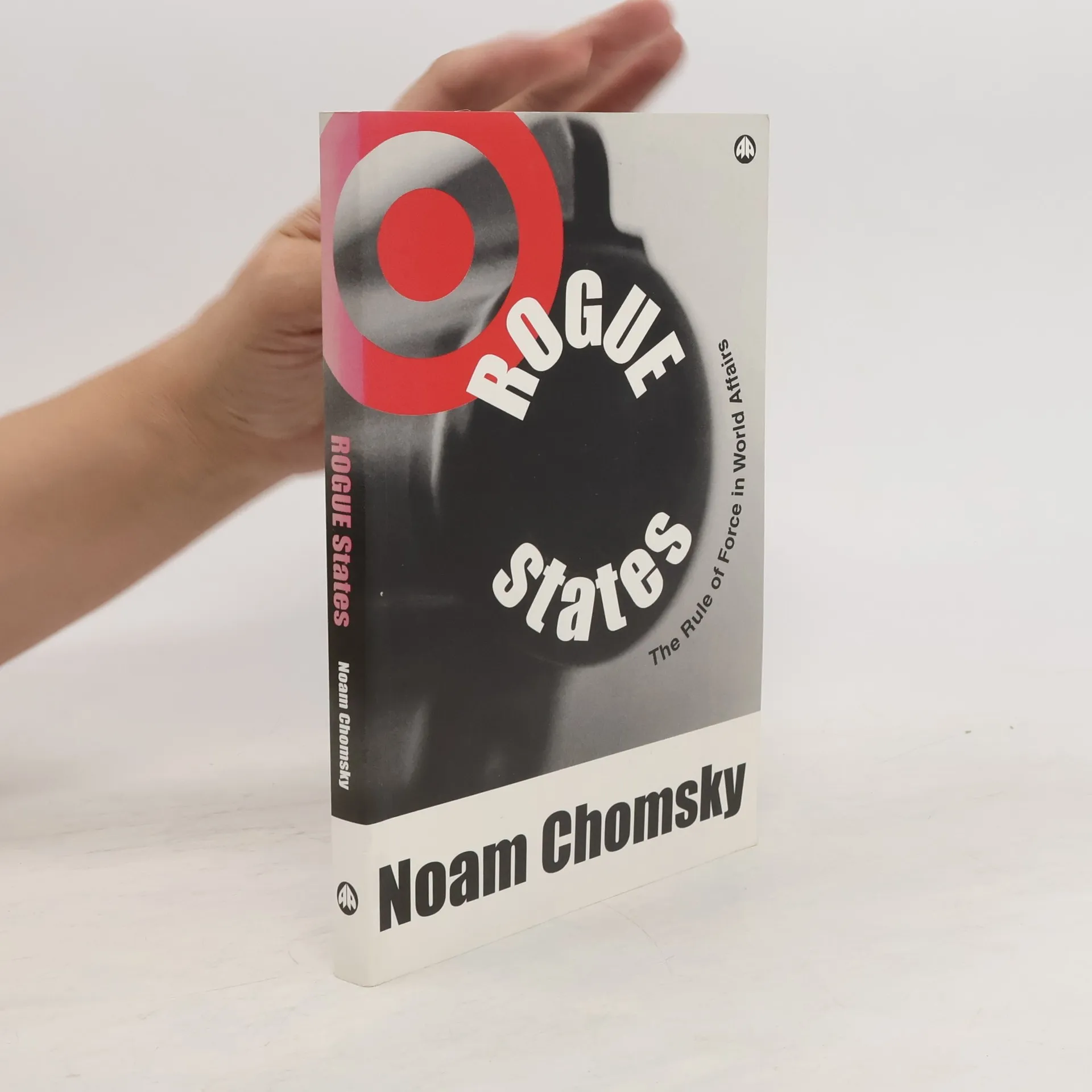
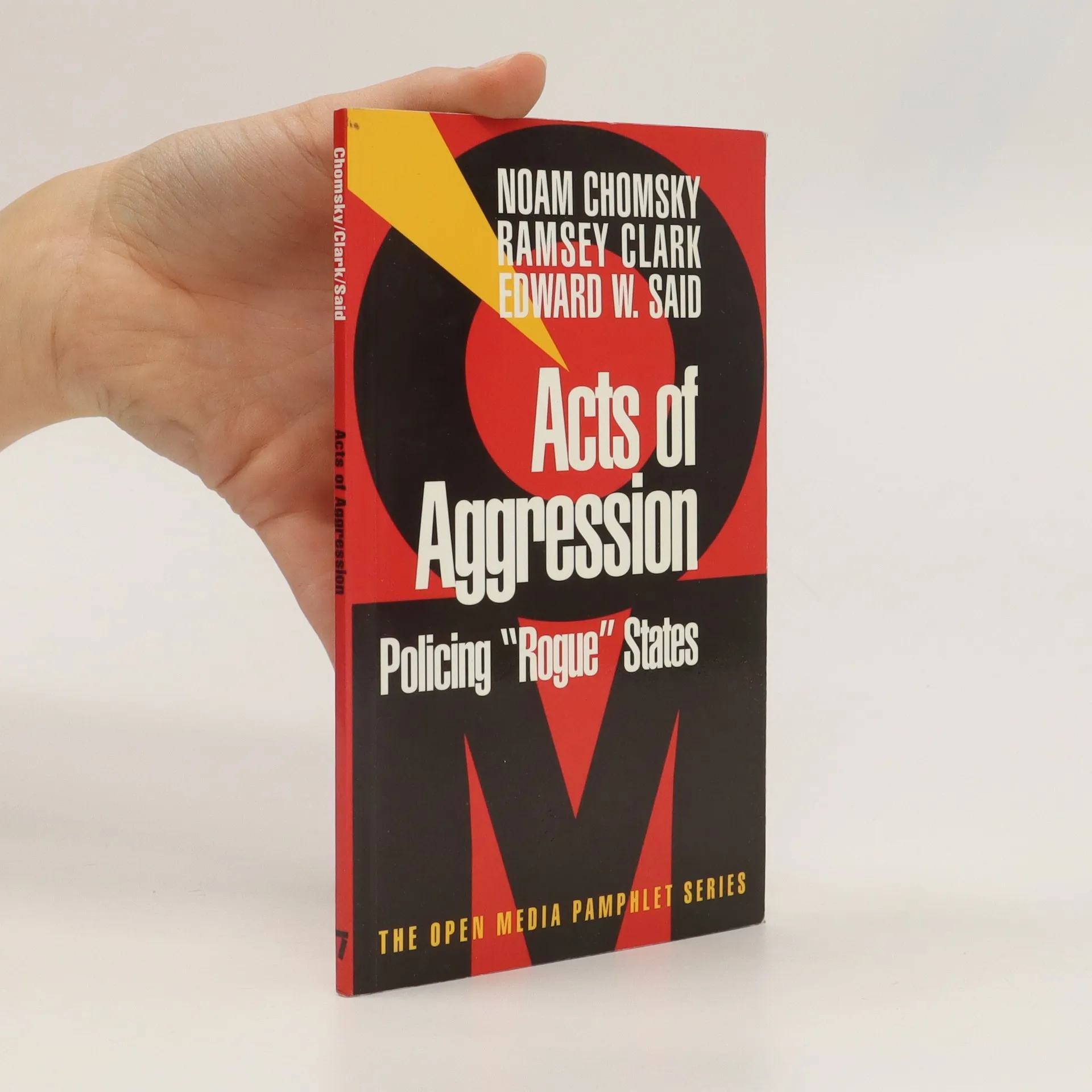
    • Rogue States: The Rule of Force in the World Affairs.

      Rogue States
      3,9
    • Government In The Future

      • 73pages
      • 3 heures de lecture

      In this classic talk delivered at the Poetry Center, New York, on February 16, 1970, Noam Chomsky articulates a clear, uncompromising vision of social change. Chomsky contrasts the classical liberal, libertarian socialist, state socialist, and state capitalist world views and then defends a libertarian socialist vision as "the proper and natural extension . . . of classical liberalism into the era of advanced industrial society."In his stirring conclusion Chomsky argues, "We have today the technical and material resources to meet man’s animal needs.We have not developed the cultural and moral resources or the democratic forms of social organization that make possible the humane and rational use of our material wealth and power.Conceivably, the classical liberal ideals as expressed and developed in their libertarian socialist form are achievable. But if so, only by a popular revolutionary movement, rooted in wide strata of the population and committed to the elimination of repressive and authoritarian institutions, state and private. To create such a movement is a challenge we face and must meet if there is to be an escape from contemporary barbarism."

      Government In The Future
      3,9
    • "Noam Chomsky is the world's foremost intellectual activist. Over the last half century, no one has done more to question the great global powers who govern our lives, forensically scrutinizing policies and actions, calling our politicians, institutions and media to account. The culmination of years of work, Who Rules the World?Is Chomsky's definitive intellectual investigation into the major issues of our times. From the dark history of the US and Cuba to China's global rise, from torture memos to sanctions on Iran, Chomsky explores how America's talk of freedom and human rights is often at odds with its actions. Delving deep into the conflicts in Iraq, Afghanistan and Israel/Palestine, he provides nuanced, surprising insights into the workings of modern-day imperial power. The world's political and financial elite have become ever more insulated from democratic constraints on their actions. Chomsky shines a powerful light on this inconvenient truth. With climate change and nuclear proliferation threatening the survival of our civilization, the message has never been more pertinent or more urgent- the need for an engaged and active public to steer the world away from disaster grows ever greater. Fiercely outspoken and rigorously argued, Who Rules the World?is an indispensable guide to how things really are from the lone authoritative voice courageous and clear-sighted enough to tell us the truth. "

      Who Rules the World?
      3,9
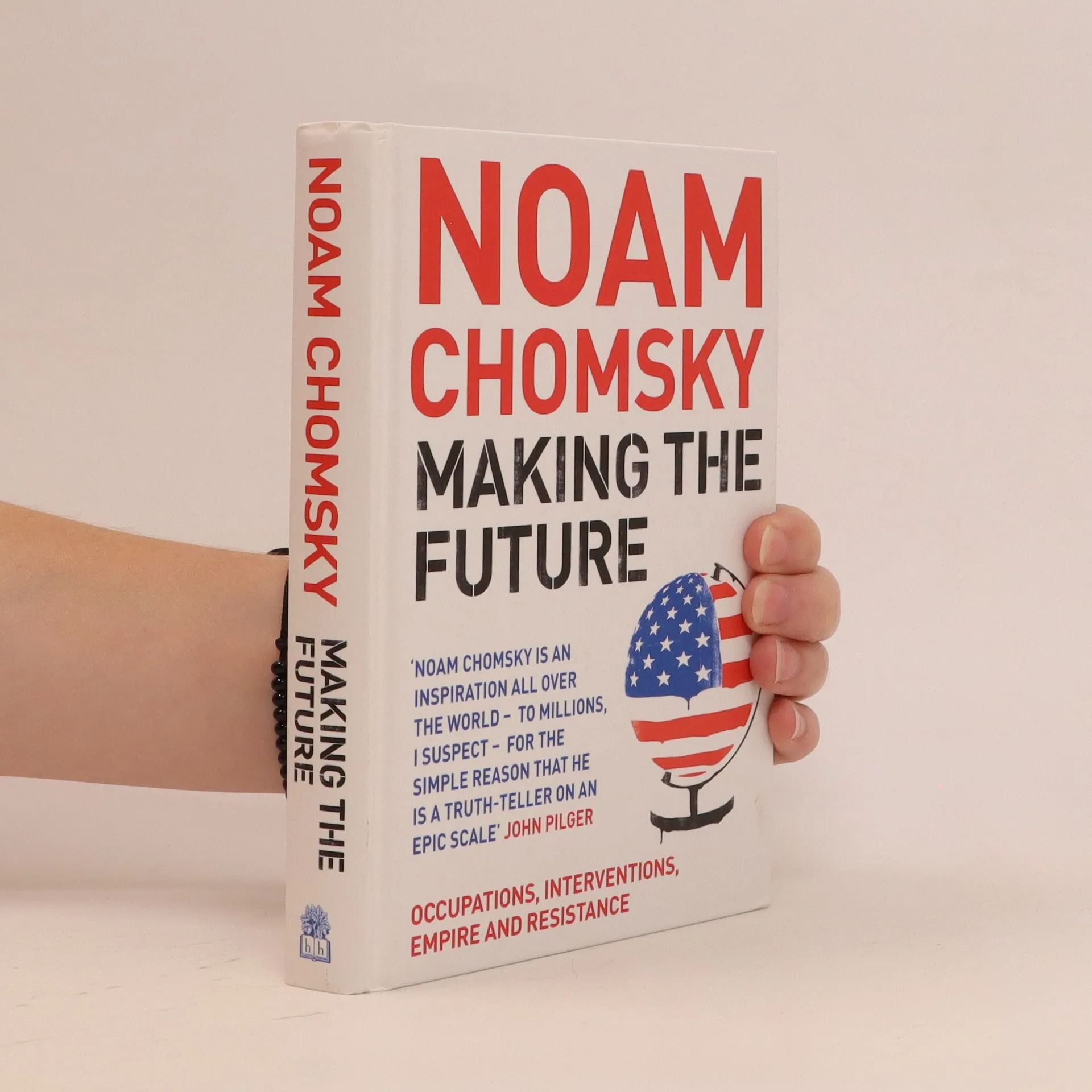
    • Making the Future

      Occupations, interventions, empire and resistance

      • 317pages
      • 12 heures de lecture

      Chomsky presents short, forceful commentaries on U.S. politics, from the domestic economic crisis to Obama's strategies in Afghanistan and around the world.

      Making the Future
      3,9
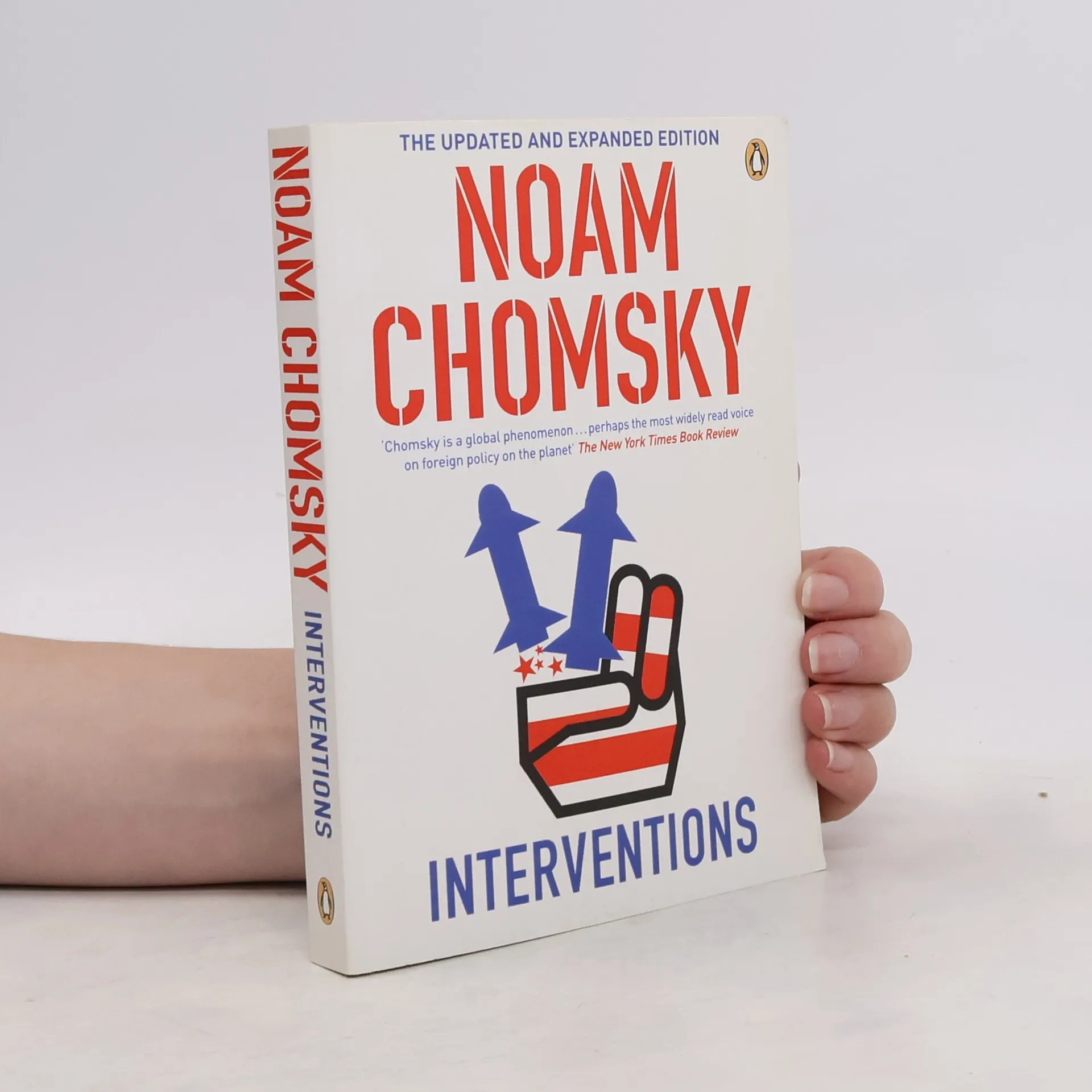
    • Interventions

      • 288pages
      • 11 heures de lecture

      At a time when the United States exacts a greater and greater power over the rest of the world, America’s leading voice of dissent needs to be heard more than ever. In over thirty timely, accessible and urgent essays, Chomsky cogently examines the burning issues of our post-9/11 world, covering the invasion and occupation of Iraq, the Bush presidency and the Israeli invasion of Lebanon. This is an essential collection, from a vital and authoritative perspective.

      Interventions
      3,9
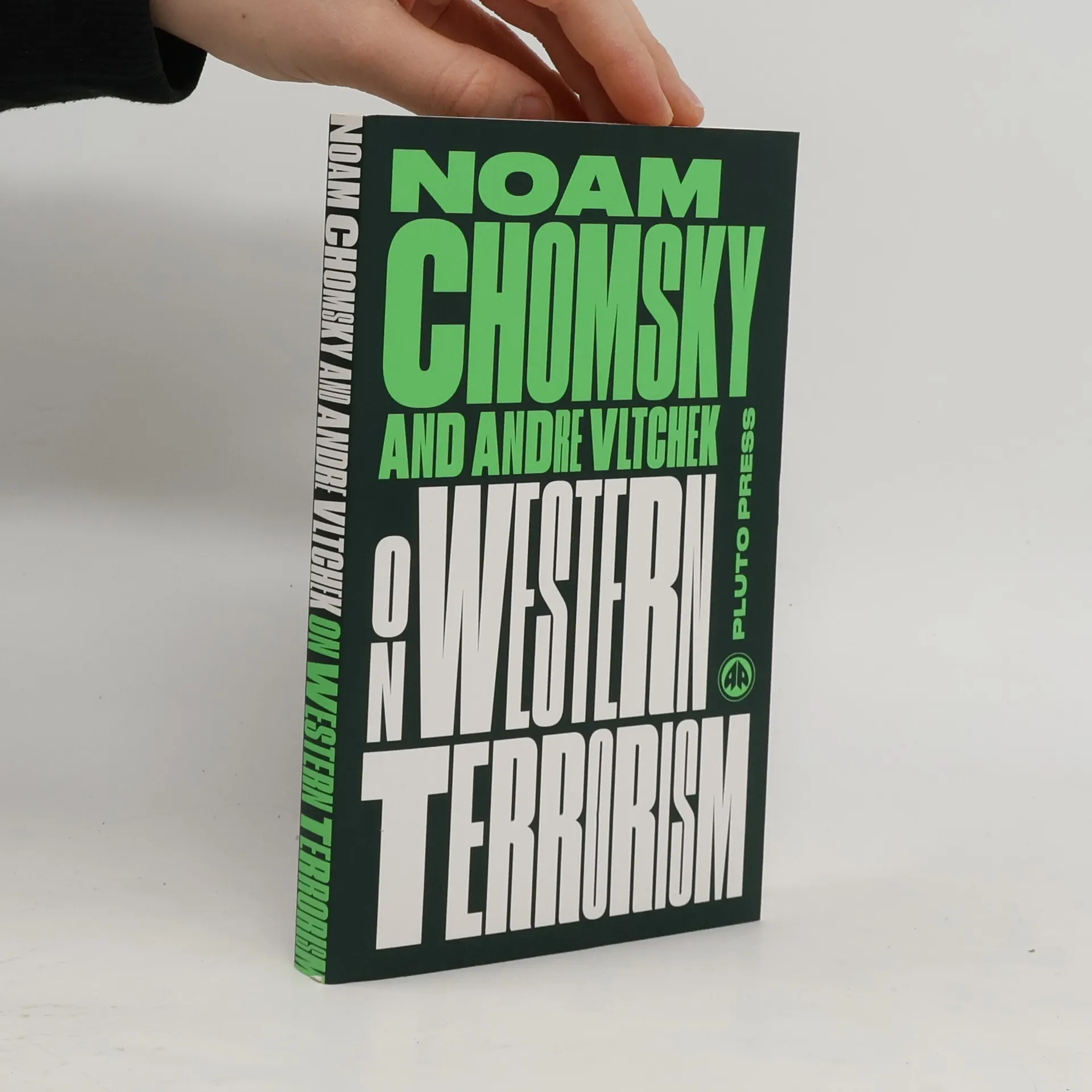
    • On Western Terrorism

      From Hiroshima to Drone Warfare

      • 200pages
      • 7 heures de lecture

      In On Western Terrorism Noam Chomsky, world renowned dissident intellectual, discusses Western power and propaganda with filmmaker and investigative journalist Andre Vltchek. The discussion weaves together a historical narrative with the two men's personal experiences which led them to a life of activism. The discussion includes personal memories, such as the New York newsstand where Chomsky began his political education, and broadens out to look at the shifting forms of imperial control and the Western propaganda apparatus. Along the way the discussion touches on many countries of which the authors have personal experience, from Nicaragua and Cuba, to China, Chile, Turkey and many more. A blast of fresh air which blows away the cobwebs of propaganda and deception, On Western Terrorism is a powerful critique of the West's role in the world which will inspire all those who read it to think independently and critically.

      On Western Terrorism
      3,9
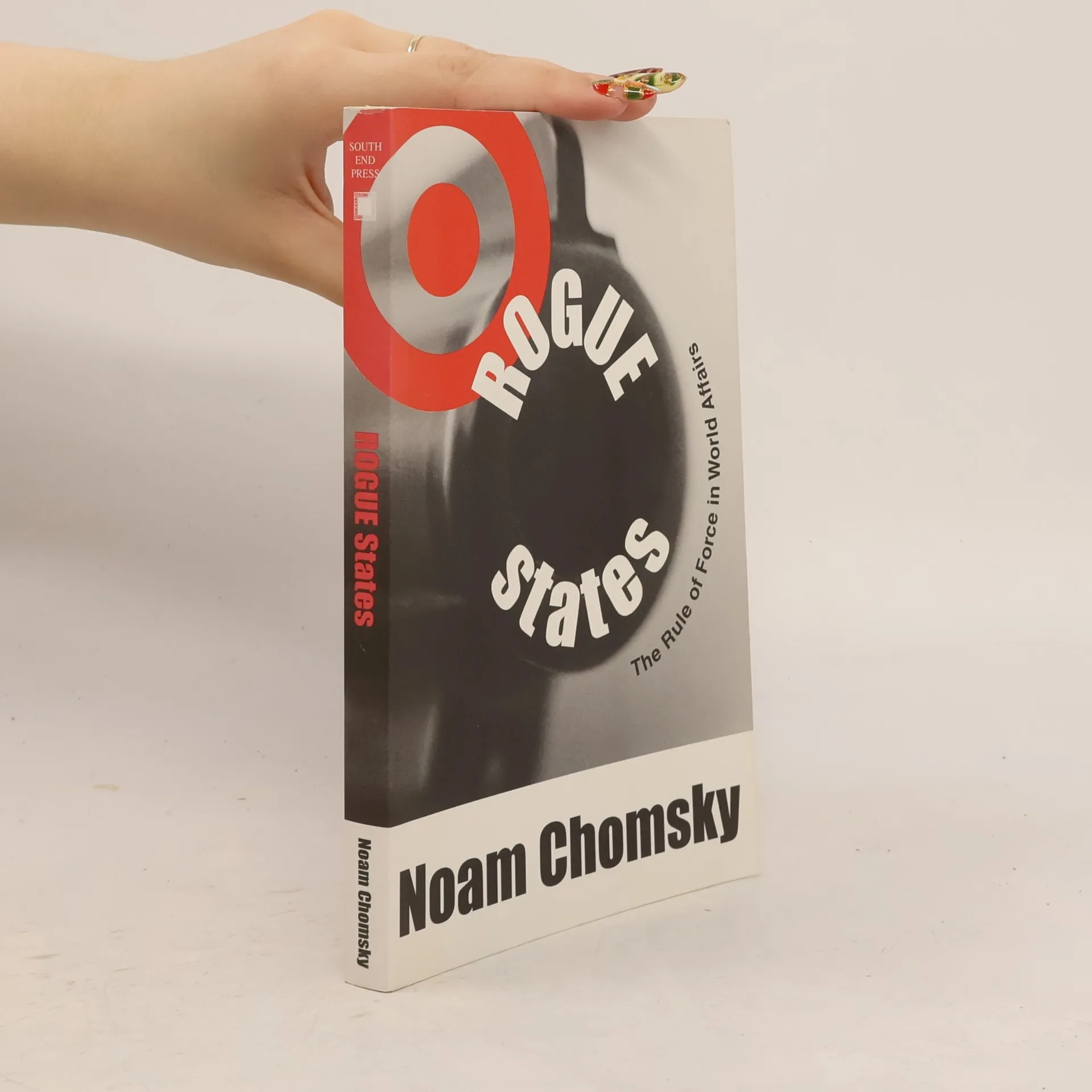
    • Rogue States

      The Rule of Force in World Affairs

      • 260pages
      • 10 heures de lecture

      Chomsky argues that, contrary to popular perception, the real 'rogue' states in the world today are not the dictator-led developing countries we hear about in the news, but the United States and its allies

      Rogue States
      3,8
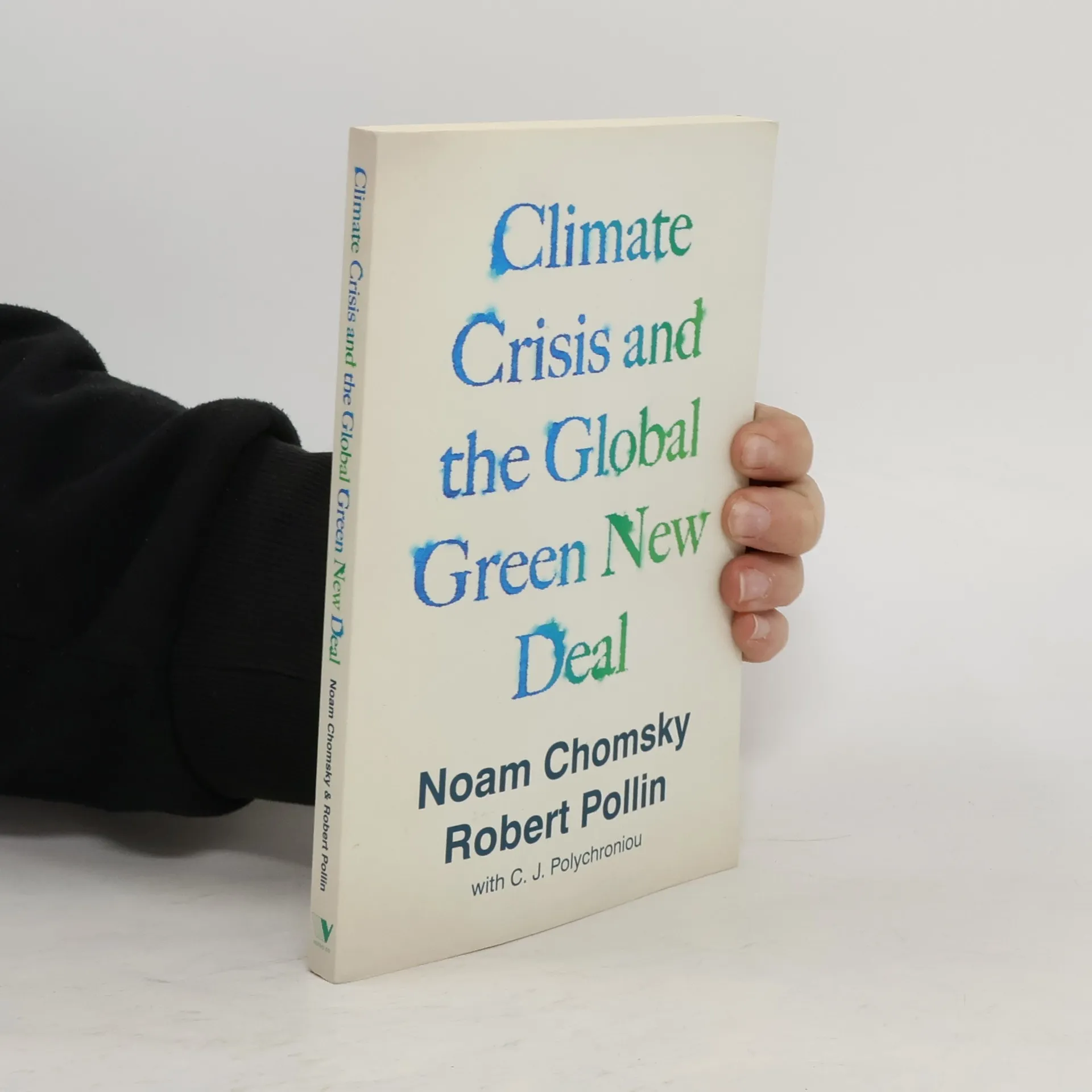
    • Noam Chomsky examines the crumbling of the social fabric and the fractures of the Biden era, including the halting steps toward a Green New Deal, the illegitimate authority of the Supreme Court, in particular its decision to overturn Roe v. Wade, and the ongoing fallout from COVID-19. Chomsky also untangles the roots of the War in Ukraine, the diplomatic tensions among the United States, China, and Russia, and considers the need for climate action on an international scale. Illegitimate Authority exposes those who wield power in their own self-interest and plots framework for how we can stand together and fight against injustice.

      Illegitimate Authority: Facing the Challenges of Our Time
      3,8
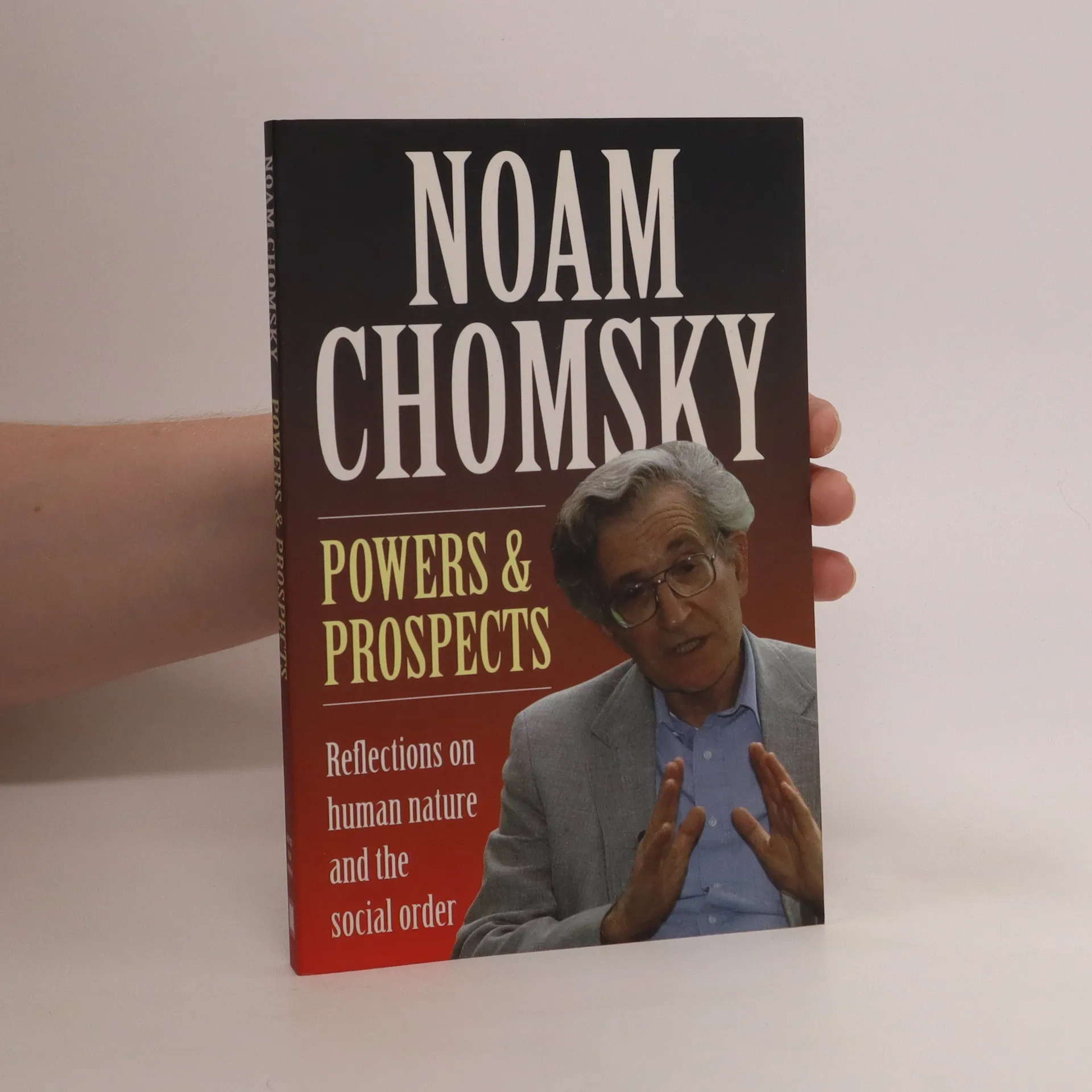
    • World politics, international relations, representative government. Author's works in demand.

      Powers and Prospects
      3,9