

Le livre est actuellement en rupture de stock
En savoir plus sur le livre
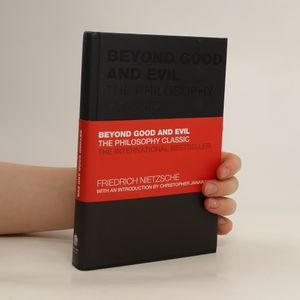
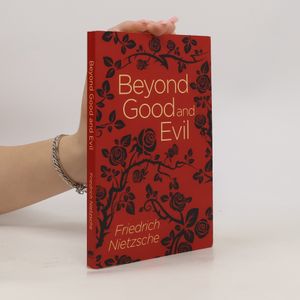
Exploring the concept of morality, Nietzsche argues that right and wrong are not fixed absolutes but rather flexible and shaped by societal contexts. This pivotal work challenges traditional moral values and encourages readers to question established norms. While accessible in language, the depth of its ideas may require careful contemplation for full comprehension.


Édition
- 2024

- 2024
- 2023
- 2023
- 2023
- 2023
- 2023
- 2023
- 2023
- 2023
- 2023
- 2023

- 2022
- 2022
- 2022
- 2022
- 2022
- 2022
- 2022
- 2021
- 2021
- 2021
- 2021
- 2021
- 2021
- 2021
- 2021

- 2020
- 2020
- 2020
- 2020
- 2020
- 2020
- 2020
- 2020
- 2020
- 2020
- 2020
- 2020
- 2020
- 2020
- 2020
- 2020
- 2020
- 2020
- 2020
- 2019
- 2019
- 2019
- 2019
- 2019


- 2018
- 2018
- 2018
- 2018
- 2018
- 2018
- 2018
- 2018
- 2018
- 2018
- 2017
- 2017
- 2017
- 2017
- 2016

- 2013
- 2012
- 2010
- 2009
- 2009

- 2008
- 2008
- 2008
- 2008
- 2007
- 2007
- 2006
- 2005
- 2005
- 2004
- 2004







Achat du livre
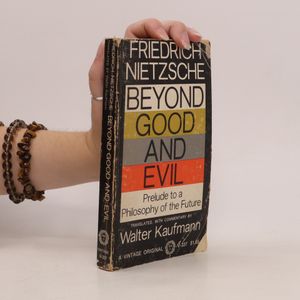
Beyond Good and Evil, Friedrich Wilhelm Nietzsche
- Langue

- Année de publication
- 2007
- Reliure
- (souple)
Nous vous informerons par e-mail dès que nous l’aurons retrouvé.
Modes de paiement
Il manque plus que ton avis ici.
- Titre
- Beyond Good and Evil
- Langue
- Anglais
- Auteurs
- Friedrich Wilhelm Nietzsche
- Éditeur
- Digital Pulse Publishing
- Publié
- 2007
- Format
- souple
- Pages
- 176
- ISBN13
- 9781934255117
- Séries
- Mots clés
- Nonfiction, Sciences sociales, Histoires vraies, Thèmes psychologiques, Thématique philosophique, Littérature allemande, Presse d'opinion & Essais, 19e siècle
- Première publication
- 1886
- Titre original
- Jenseits von Gut und Böse
- Évaluation
- 4,25 sur 5
- Description
- Exploring the concept of morality, Nietzsche argues that right and wrong are not fixed absolutes but rather flexible and shaped by societal contexts. This pivotal work challenges traditional moral values and encourages readers to question established norms. While accessible in language, the depth of its ideas may require careful contemplation for full comprehension.