

Le livre est actuellement en rupture de stock
En savoir plus sur le livre
Friedrich Nietzsche's work critiques traditional morality and challenges the blind acceptance of Christian ideals by previous philosophers. Through a series of essays and aphorisms, he argues that human values are not absolute, highlighting the hypocrisy in value distinctions. This influential collection, first published in 1886, has significantly shaped modern intellectual thought, inviting readers to reconsider the foundations of their moral beliefs.


Édition
- 2024

- 2024
- 2023
- 2023
- 2023
- 2023
- 2023
- 2023
- 2023
- 2023
- 2023
- 2023

- 2022
- 2022
- 2022
- 2022
- 2022
- 2022
- 2022
- 2021
- 2021
- 2021
- 2021
- 2021
- 2021
- 2021
- 2021

- 2020
- 2020
- 2020
- 2020
- 2020
- 2020
- 2020
- 2020
- 2020
- 2020
- 2020
- 2020
- 2020
- 2020
- 2020
- 2020
- 2020
- 2020
- 2020

- 2019
- 2019
- 2019
- 2019
- 2019


- 2018
- 2018
- 2018
- 2018
- 2018
- 2018
- 2018
- 2018
- 2018
- 2018
- 2017
- 2017
- 2017
- 2017
- 2016

- 2013
- 2012
- 2010
- 2009
- 2009

- 2008
- 2008
- 2008
- 2008
- 2007
- 2007
- 2006
- 2005
- 2005
- 2004
- 2004








Achat du livre
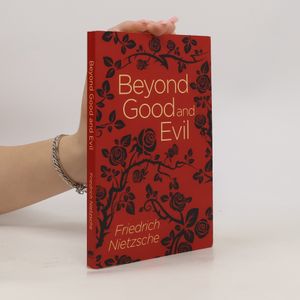
Beyond Good and Evil, Friedrich Wilhelm Nietzsche
- Langue

- Année de publication
- 2022
Nous vous informerons par e-mail dès que nous l’aurons retrouvé.
Modes de paiement
Il manque plus que ton avis ici.
- Titre
- Beyond Good and Evil
- Langue
- Anglais
- Auteurs
- Friedrich Wilhelm Nietzsche
- Éditeur
- General Press
- Publié
- 2022
- Pages
- 218
- ISBN13
- 9789354993749
- Séries
- Mots clés
- Nonfiction, Sciences sociales, Histoires vraies, Thèmes psychologiques, Thématique philosophique, Littérature allemande, Presse d'opinion & Essais, 19e siècle
- Première publication
- 1886
- Titre original
- Jenseits von Gut und Böse
- Évaluation
- 4,25 sur 5
- Description
- Friedrich Nietzsche's work critiques traditional morality and challenges the blind acceptance of Christian ideals by previous philosophers. Through a series of essays and aphorisms, he argues that human values are not absolute, highlighting the hypocrisy in value distinctions. This influential collection, first published in 1886, has significantly shaped modern intellectual thought, inviting readers to reconsider the foundations of their moral beliefs.